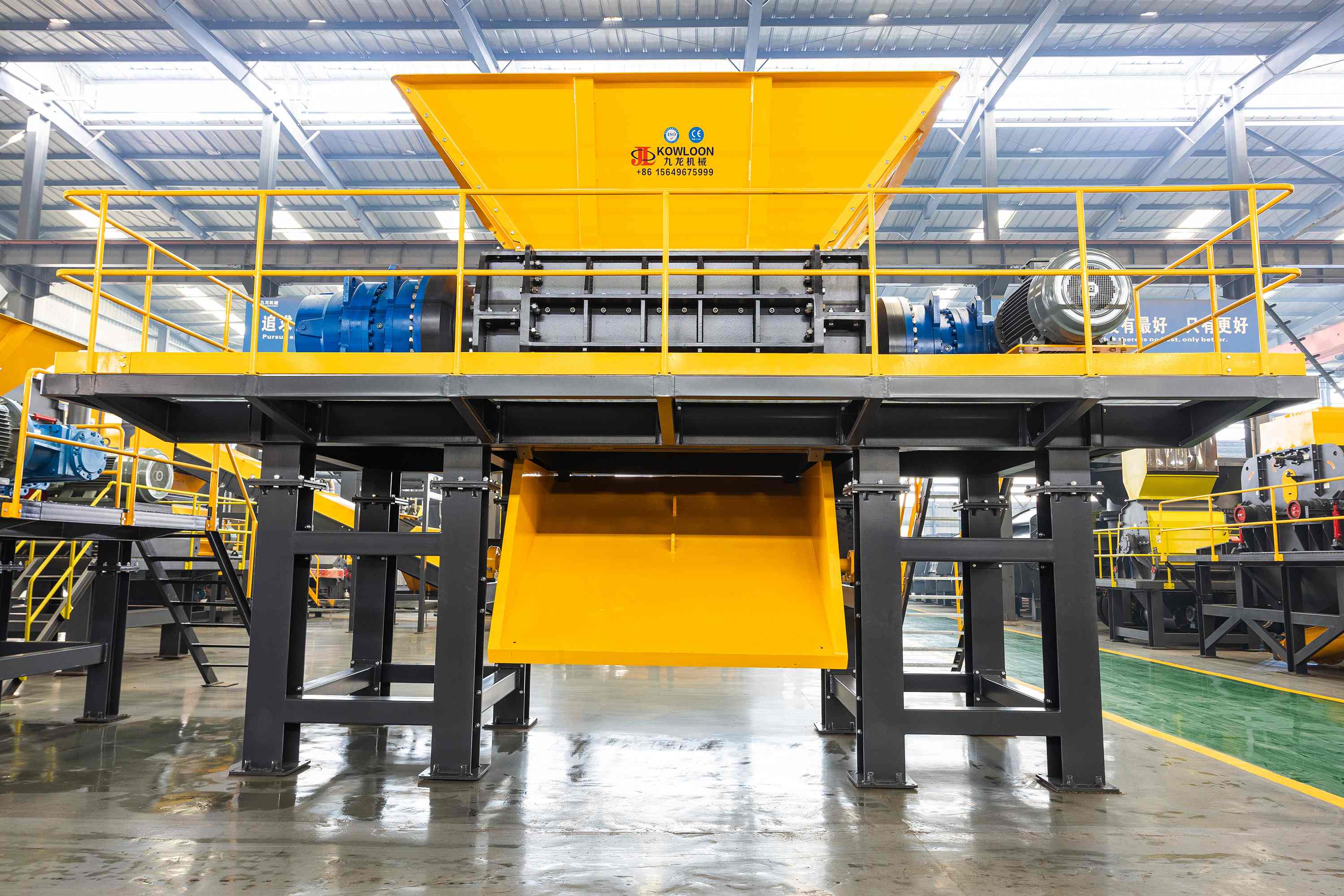

Wood Chipper Factory: Innovations in Manufacturing Sustainable Equipment
2026-03-30
In an age where sustainability is not just a trend but a necessity, the manufacturing of wood chippers stands at the forefront of eco-friendly innovations. At Kowloon Machinery, we've reimagined what it means to produce these vital machines. This blog delves into the cutting-edge advancements—from energy-efficient designs to recycled materials—that are transforming the industry. Discover how these innovations not only enhance performance but also contribute to a greener planet, all while setting new standards for durability and efficiency. Join us as we explore the future of sustainable equipment, where every chip tells a story of progress.
Revolutionary Techniques in Eco-Friendly Wood Chipper Production
Recent innovations in wood chipper manufacturing have significantly reduced environmental impact while enhancing performance. Instead of relying on traditional steel components, some producers now use recycled composite materials that offer comparable durability with a smaller carbon footprint. These advanced materials can be precisely molded to optimize cutting efficiency, resulting in chippers that consume less energy while processing wood more effectively. By integrating solar-powered charging systems into electric models, manufacturers have created machines that operate almost entirely on renewable energy, making them ideal for remote forestry operations where grid power isn't available.
Another breakthrough involves the implementation of smart sensor technology that monitors blade wear and operational conditions in real time. This allows the chipper to automatically adjust its speed and feed rate to maintain optimal performance while minimizing waste. The sensors can detect variations in wood density and moisture content, enabling the machine to adapt its processing method accordingly. This not only extends the equipment's lifespan by reducing unnecessary strain on components but also ensures a more consistent output of wood chips, which is crucial for industries relying on uniform biomass materials.
Design improvements have also focused on noise reduction and dust containment, addressing common concerns in urban and residential settings. Innovative acoustic enclosures and advanced filtration systems now allow these machines to operate quietly while capturing airborne particles before they're released into the environment. Some models feature modular designs that make maintenance and part replacement straightforward, further reducing their ecological footprint by extending service life. These user-friendly enhancements demonstrate how eco-conscious engineering can deliver practical benefits beyond mere compliance with environmental regulations.
Sustainable Materials Redefining Equipment Durability and Performance
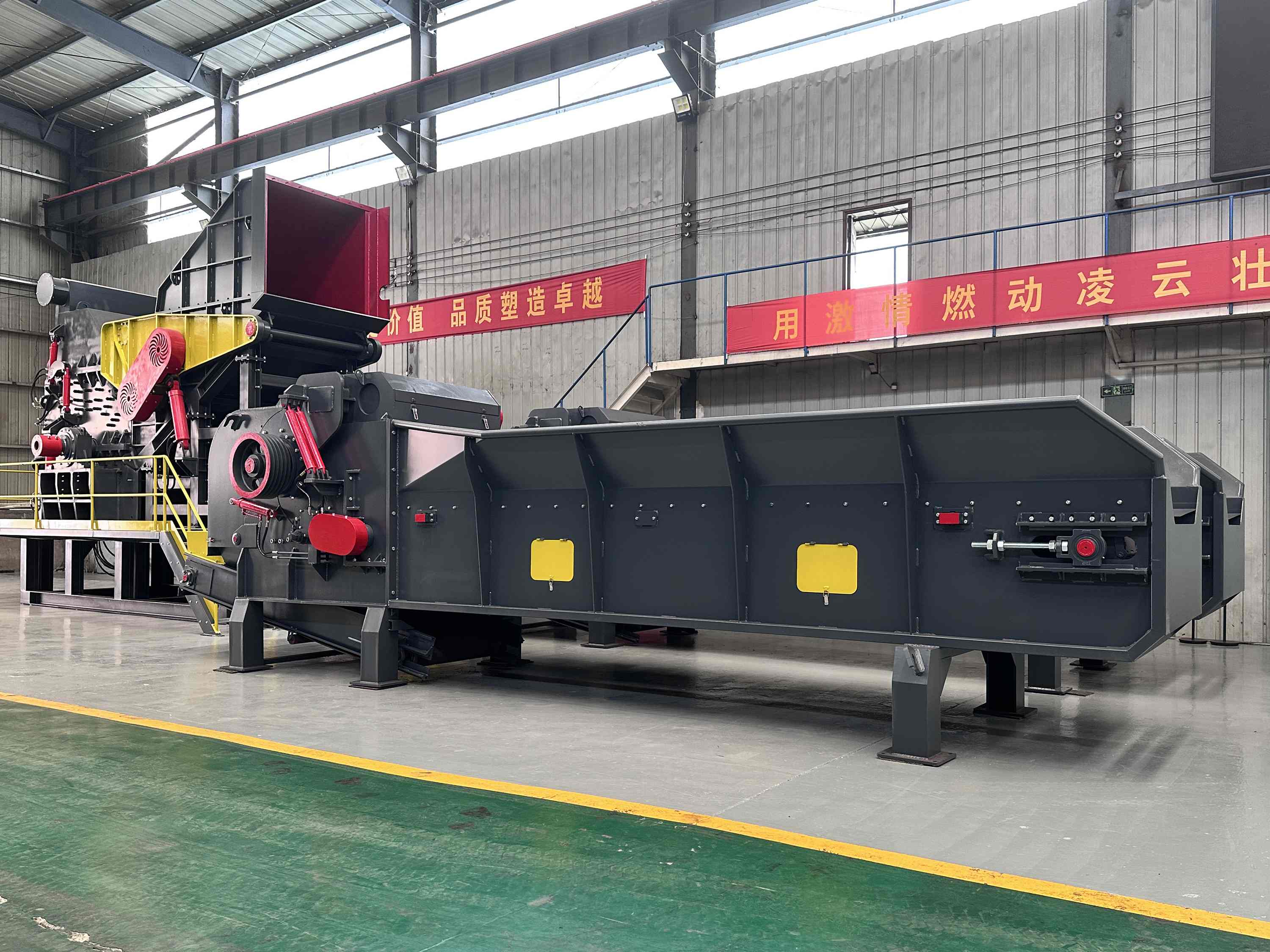
In today's rapidly evolving technological landscape, the integration of sustainable materials is transforming how we think about equipment longevity and effectiveness. Instead of relying solely on traditional, resource-intensive components like metals and plastics, industries are turning to advanced biocomposites, recycled polymers, and bio-based alloys. These materials don't just match the strength of conventional options—they often surpass them, offering enhanced resistance to wear, corrosion, and environmental stresses. By prioritizing durability from the outset, manufacturers are crafting products that stand the test of time, reducing the need for frequent replacements and minimizing waste.
What sets these innovations apart is their ability to elevate performance metrics in unexpected ways. For instance, materials derived from plant fibers or algae can be engineered to be lighter yet more robust, leading to equipment that operates more efficiently with less energy consumption. This isn't about a superficial 'green' label; it's a fundamental shift where sustainability drives improvements in thermal management, shock absorption, and load-bearing capacity. As a result, users experience equipment that not only lasts longer but also performs better under demanding conditions, from high-stress industrial settings to everyday consumer devices.
The ripple effects extend beyond immediate functionality, reshaping entire product lifecycles and user expectations. With sustainable materials, equipment becomes easier to repair or recycle at end-of-life, fostering a circular economy model that enhances overall durability. This approach empowers companies to differentiate their offerings with cutting-edge solutions that attract environmentally conscious consumers and businesses alike. Ultimately, by redefining what's possible in material science, we're witnessing a new era where eco-friendly choices directly contribute to superior, long-lasting performance, setting a benchmark for innovation across sectors.
Advanced Engineering for Enhanced Efficiency and Reduced Environmental Impact
In today's rapidly evolving industrial landscape, advanced engineering practices are pivotal for driving significant improvements in both operational efficiency and environmental sustainability. By integrating cutting-edge technologies—such as AI-driven process optimization, IoT-enabled monitoring systems, and modular designs—industries can achieve higher throughput with fewer resources. This not only slashes production costs but also minimizes energy consumption and waste generation, leading to a leaner, more agile operation that excels under modern competitive pressures.
Beyond mere cost savings, the environmental benefits of these advancements are profound and multifaceted. Through methods like circular economy principles, where materials are recycled and reused throughout their lifecycle, and the adoption of renewable energy sources in manufacturing, companies can drastically reduce their carbon footprint. Innovations such as green chemistry and sustainable materials science further enable the creation of products that are durable yet eco-friendly, mitigating pollution and conserving natural ecosystems for future generations.
A standout aspect of this approach is how it fosters a holistic, forward-thinking culture within organizations. By embedding sustainability into core engineering strategies—from initial design to end-of-life disposal—businesses not only comply with stringent regulations but also build resilience against resource scarcity and climate-related disruptions. This proactive stance often translates into enhanced brand reputation and stakeholder trust, positioning firms as leaders in a global shift towards responsible and intelligent industrial practices that balance profitability with planetary health.
Innovative Design Solutions That Transform Wood Waste into Valuable Resources
Harnessing the potential of discarded wood, designers are pushing the boundaries of material science to create unexpected new products. From upcycled furniture that tells a story of sustainability to high-performance composites for industrial use, these innovations breathe fresh life into what was once considered scrap, turning environmental challenges into opportunities for creativity and resourcefulness.
Picture reclaimed timber reborn as stylish home decor, like elegant lamp bases or artisanal coasters, showcasing the beauty of natural imperfections. Beyond aesthetics, advanced processing techniques convert wood chips into energy-efficient building panels or biodegradable packaging, proving that waste can serve as a raw material for both beauty and utility.
By prioritizing circular economy principles, these solutions not only minimize landfill impact but also foster local economies and inspire eco-conscious consumers to rethink waste, making every piece of wood count in building a more sustainable future.
Cutting-Edge Manufacturing Processes That Boost Productivity and Sustainability
The evolution of manufacturing technologies has brought about remarkable solutions that not only enhance output but also prioritize environmental responsibility. One standout example is additive manufacturing, commonly known as 3D printing, which minimizes waste by building products layer by layer from digital models. Unlike traditional methods that carve from large blocks, this approach reduces material usage by up to 90%, cutting costs and slashing carbon emissions. It's a game-changer for industries like aerospace and healthcare, where precision and efficiency are paramount.
Another innovative process gaining traction is smart factory integration, powered by the Internet of Things (IoT) and artificial intelligence. By embedding sensors in machinery, companies can monitor equipment performance in real-time, predicting maintenance needs before breakdowns occur. This proactive approach prevents downtime, saving both time and resources, while also optimizing energy consumption. For instance, auto manufacturers use this to streamline assembly lines, ensuring every step runs at peak efficiency without compromising sustainability goals.
Beyond these, advanced recycling techniques are transforming material life cycles in manufacturing. Methods like closed-loop systems allow facilities to reclaim and reuse materials, such as metals or plastics, directly on-site. This circular economy approach not only boosts productivity by reducing raw material costs but also significantly lowers environmental footprints. Companies adopting these practices report not just economic gains but also stronger brand loyalty from eco-conscious consumers, making sustainability a core driver of innovation.
Future-Forward Approaches to Meeting Global Demand for Green Machinery
In a world where sustainability is no longer optional but imperative, the surge in demand for green machinery presents both a challenge and an opportunity. To stay ahead, manufacturers and policymakers are exploring innovative strategies that go beyond simple retrofitting. From modular designs that allow for easy upgrades to carbon-neutral production processes, the focus is shifting toward holistic solutions. The integration of AI-driven analytics for optimal performance and lifecycle management ensures that equipment not only reduces emissions but also lowers operational costs over time, creating a win-win for businesses and the environment alike.
Another key approach lies in fostering cross-sector collaborations and leveraging cutting-edge materials. For instance, partnerships between tech giants and traditional machinery firms are yielding breakthroughs in lightweight composites and energy-efficient components. These alliances accelerate the development of machinery that consumes less power while maintaining robust functionality. By pooling resources and expertise, stakeholders can rapidly scale up production and distribution, making green technology more accessible globally.
Ultimately, meeting demand requires a shift in mindset toward circular economy principles. Forward-thinking companies are designing machinery with end-of-life in mind, incorporating easy disassembly for recycling or refurbishment. This not only extends product lifespans but also minimizes waste, aligning with broader environmental goals. As markets increasingly prioritize sustainability, those who adopt these proactive strategies will lead the charge in transforming industries worldwide.
FAQ
Current innovations include the use of recycled materials in construction, energy-efficient electric motors that reduce carbon emissions, and automated systems that optimize wood chip size for better resource utilization, helping factories meet eco-friendly standards.
Modern chippers process branches, logs, and yard waste into usable chips for mulch or biomass fuel, diverting organic waste from landfills and supporting circular economy practices in both forestry management and municipal waste handling.
Recent designs incorporate automatic shut-off sensors for detecting foreign objects, enhanced guards around feeding mechanisms, and emergency stop buttons, all aimed at minimizing operator risks in industrial and domestic settings.
IoT technology enables real-time monitoring of performance metrics such as blade wear and engine temperature, allowing for predictive maintenance and data-driven adjustments that boost operational uptime and reduce energy waste.
Factories now offer modular designs with adjustable settings for chip size and power output, catering to varied needs from small-scale landscaping to large industrial forestry, ensuring equipment fits specific operational demands.
Consumers should check for certifications like Energy Star for energy efficiency, USDA BioPreferred for biobased content, and ISO 14001 for environmental management systems, which indicate a commitment to sustainable manufacturing processes.
Emerging trends include the adoption of high-strength, lightweight composites and corrosion-resistant alloys that extend product lifespan while using less raw material, alongside biodegradable lubricants to reduce environmental impact during use.
By producing chips that are free from contaminants and sized appropriately for composting, these chips enhance soil aeration and moisture retention when used as mulch, promoting healthier ecosystems in agricultural and landscaping applications.
Conclusion
The Wood Chipper Factory's innovations in sustainable equipment manufacturing are reshaping the industry through revolutionary techniques in eco-friendly production. By integrating advanced engineering, these efforts enhance efficiency while dramatically reducing environmental impact, transforming wood waste into valuable resources. This forward-thinking approach not only redefines equipment durability and performance using sustainable materials but also leverages cutting-edge manufacturing processes to boost productivity and sustainability, setting a new benchmark for green machinery.
Looking ahead, the factory's future-forward strategies are poised to meet surging global demand for eco-conscious solutions. Innovative design solutions and a commitment to sustainable practices ensure that these wood chippers are not just tools but catalysts for environmental stewardship, aligning with broader goals of resource conservation and circular economies. By blending durability with performance, this holistic manufacturing model underscores a transformative shift towards greener industrial practices, making it a leader in the sustainable equipment landscape.
Contact Us
Contact Person: Ray
Email: [email protected]
Tel/WhatsApp: +86 13733817580
Website: https://www.zzkowloon.com/