

Wholesale Abrasive Jumbo Roll Buying Guide for Workshops and Manufacturers
2026-09-21
For workshops and manufacturers, the difference between a smooth production line and costly rework often comes down to one overlooked choice: the abrasive jumbo roll. Buying at wholesale scale isn’t about grabbing the cheapest bulk option — it’s about matching grit, backing, and grain consistency to your specific machinery and workload. Yet too many buyers rely on outdated specs or vague supplier promises. That’s where a clear buying framework saves real money and downtime. With SHENZHEN SUN ABRASIVES, you’re not just sourcing rolls; you’re setting a performance standard for every sanding, grinding, or finishing step on your floor. In this guide, we’ll unpack the factors that separate a reliable jumbo roll from a frustration waiting to happen.
How to Read a Jumbo Roll Spec Sheet Like a Shop Floor Veteran
First thing a floor veteran does is flip the sheet over to the header block—product code, roll width, diameter, and core size. These aren't just numbers to file away; they tell you whether the roll will even fit your unwind stand without a fight. If the core's 6 inches but your chucks are set for 3, you've already lost an hour. Check the weight and footage too, because a spec sheet that lists a 4,000-pound roll with a 40-inch diameter but no linear footage might hide a density mismatch that'll throw off your tension settings.
Next, dig into the physical properties, but don't just nod at the typical values. Look at the tolerance band and the test method. Basis weight, caliper, tensile, and tear are useful, but if the supplier uses a different test standard than your QA lab, those numbers won't line up when you pull samples. A veteran will circle the values that matter for their process—maybe it's moisture content on a laminating line, or surface roughness for coating—and ignore the rest of the marketing fluff.
Finally, scan for any treatment or coating notes. Corona level, primer, silicone release side—these often hide in the fine print. A missed "treated one side only" note can turn a full shift into scrap. And always check the batch or roll number against the physical label on the core. That's the shop floor habit that saves you when a roll acts up at 2 a.m. and you need to trace it back.
Grit, Backing, and Bond: The Three Details That Decide Finish Quality
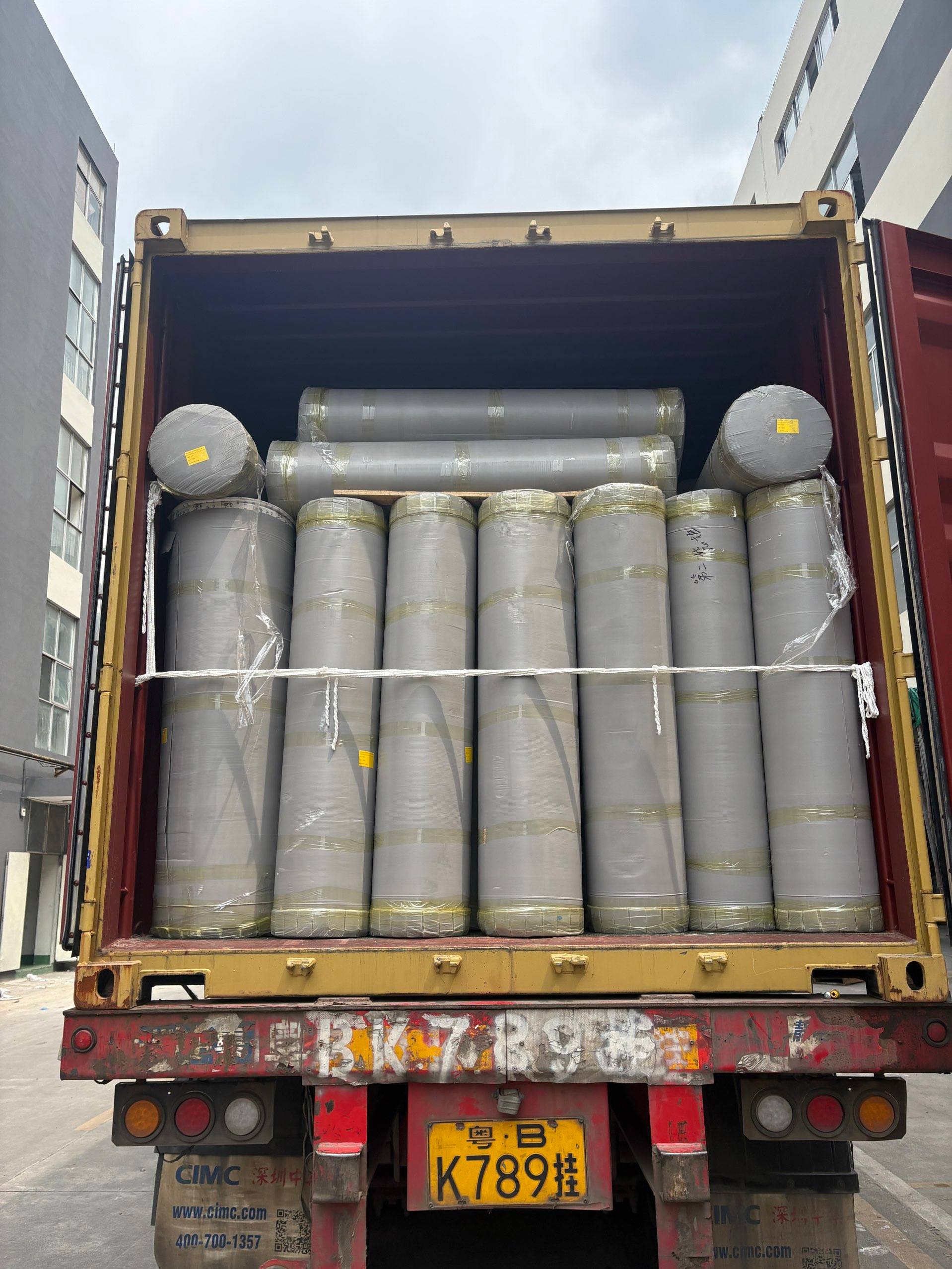
Most people pick sandpaper by grit alone, but that’s only a third of the story. The backing controls how the abrasive flexes, tears, and conforms to curves, while the bond determines whether the grit stays sharp or sheds too early. Together, these three details set the ceiling for any finish.
A stiff backing with a hard bond can level fast but leaves deep scratches; a soft backing with a friable bond glides over contours yet wears out quicker. Matching all three to the surface and the stage of work is what separates a dull, uneven result from a clean, consistent one.
Before reaching for a higher grit, inspect the backing for cracks and the bond for loading. Often, a finish improves more by switching backing weight or bond type than by changing grit number.
Roll Width and Length Trade-offs Most First-Time Buyers Miss
When you first start comparing rolls, it's tempting to focus on the obvious numbers—width and length—without thinking about how they actually play together. A wider roll might seem like the better deal until you realize you can't fit it through your workshop door or your cutter can't handle the extra material without jamming. Meanwhile, a longer roll might save you from frequent changeovers, but if the width is too narrow for your main projects, you'll end up with awkward offcuts that gather dust.
The real trade-off usually hides in your waste ratio. Let's say you're cutting rectangular pieces; a roll that's slightly narrower than your layout forces you to trim more from each edge, and those trims add up faster than you'd expect. On the flip side, picking a roll that's extra long just to avoid downtime can backfire if you work in a space with limited storage—vertical racks might not be an option, and a massive roll on the floor becomes a trip hazard. Most first-timers also forget to account for the core size, which eats into the actual usable length.
A practical way to approach it: sketch your most common cutting patterns on graph paper or in a simple layout app, then test a few width-length combos against your real workspace constraints. You might find that a medium-width, medium-length roll fits your workflow better than the bargain oversized option. Don't chase the biggest numbers—chase the combination that minimizes both waste and hassle.
Beyond Price per Yard: Freight, Waste, and Hidden Fees
A low price per yard can quietly disappear once freight enters the picture. One mill may quote FOB from a warehouse three states away, while another ships from overseas with port fees, customs brokerage, and inland trucking folded into the final bill. Get line-by-line shipping costs before comparing quotes, and watch for accessorials like residential delivery or lift-gate service that some vendors only mention after the order is placed.
Waste has a way of inflating the real cost too. Short rolls, flawed yardage, and dye lot minimums can leave you with fabric you can't sell or use, especially on custom colors or narrow widths. Ask about defect tolerances and overage policies up front, then add a realistic waste percentage to your calculations—otherwise, that bargain bin price per yard may cost more per usable yard than a slightly higher quote from a supplier with tighter quality control.
Hidden fees tend to cluster around the edges of an invoice. Small order surcharges, credit card processing fees, re-rolling charges, and storage costs after a brief grace period can turn a competitive quote into an expensive one. Before committing to a large order, run a smaller test purchase and compare the final landed cost per yard across vendors, not the sticker price. That number, not the one on the quote, is what actually hits your budget.
Spotting Inconsistent Quality Before It Reaches Your Machines
Quality issues often lurk in the least expected corners of your supply chain, and by the time a defective component reaches the production floor, the cost multiplies quickly. A torn seal on a hydraulic fitting, a subtle variance in raw material hardness, or a barely visible burr on a machined surface can all escape initial inspection. Once these inconsistencies mix into your inventory, the first real sign might be a sudden spike in machine downtime or an unexplained drop in output consistency.
Instead of waiting for alarms to sound, proactive teams are moving quality gates upstream. They track supplier lot data, monitor incoming material conditions at the dock, and use handheld scanners to flag dimensional drift before parts are shelved. This doesn't require sophisticated AI or expensive sensors; it starts with disciplined sampling and clear visual standards posted at receiving areas. A simple go/no-go gauge, checked against a reference batch, catches many problems that automated systems miss simply because the human eye is trained on the right details.
The payoff shows up in fewer emergency work orders and less time spent troubleshooting mysterious faults. When your machines only see consistent inputs, their wear patterns become predictable, and maintenance windows can be planned with confidence. That kind of stability doesn't come from fixing problems faster—it comes from keeping them out of the building from the start.
Questions That Separate Serious Wholesale Suppliers from the Rest
The fastest way to filter out time-wasters is to ask how they handle problems before they happen. A serious wholesale supplier will walk you through their order discrepancy process, show you photos of how they package pallets, and give you a named contact for claims. If you hear "don't worry, we'll sort it out" without any written policy, you're probably talking to a middleman who disappears when something goes wrong.
Another set of questions separates those who actually stock product from those who drop-ship or buy on demand. Ask for a live inventory feed, or at minimum a weekly stock report. Ask what happens when you place a reorder for 200 units and they only have 80. Genuine wholesalers can tell you exactly when the next container lands, what's allocated, and whether they can split a shipment to keep you going. The rest will stall with "let me check with the warehouse" and then come back with a higher price.
Pricing and territory questions also expose weak suppliers quickly. Instead of asking "what's your best price?" ask "what's your price protection window if the market drops?" and "do you enforce MAP or are you selling to anyone with a credit card?" A supplier that protects your margin, limits the number of accounts in your area, and publishes clear tiered pricing based on volume is thinking long-term. The ones who can't answer those questions are just moving boxes.
FAQ
Start with the backing material and grain type, then confirm the roll width matches your cutting equipment. Moisture exposure during storage is another factor that gets overlooked until rolls start shedding grain.
Aluminum oxide handles general metal and wood work at a lower price. Zirconia is tougher for stainless steel and high-pressure grinding. Ceramic wins when you need cool cutting and long life on hard alloys, but it costs more upfront.
Wider rolls give you more flexibility to cut custom sizes, but only if your slitting or shearing setup can handle them cleanly. Buying a width your team has to trim by hand usually creates waste and uneven edges.
Film backing resists tearing and works well for wet or fine-finish applications. Paper is cheaper and fine for dry, general-purpose sanding. If you expect heavy use or curved surfaces, film often pays for itself in fewer changeovers.
A practical range is P60 through P220 for most shaping and prep work, with a few P320 and P400 rolls for finishing. Stocking too many fine grits in jumbo form can tie up cash because they move slower.
Ask for a batch test report or sample from the current production run. Check for even grain coating, consistent splice points, and no visible backing flaws. A supplier that can't provide that is a risk when you're buying large quantities.
If you use the same widths repeatedly, custom slitting saves labor and reduces edge damage. In-house cutting makes sense only when you have varied, unpredictable job sizes and the right equipment to handle it safely.
Calculate cost per square meter or per finished disc, then factor in expected lifespan. A cheaper roll that wears out twice as fast often costs more in labor and downtime than a premium roll.
Conclusion
Most workshop buyers glaze over when they see a jumbo roll spec sheet, but the numbers buried in grit type, backing weight, and bond system will show up on your finished part long before the invoice does. A ceramic or zirconia grit behaves differently on stainless than on mild steel, and a polyester backing that looks identical to cotton can change tear resistance on a wide belt sander. At the same time, roll width and length aren't just convenience—shops that trim a 60-inch roll down to 24-inch strips end up paying for scrap they can't reuse, while manufacturers chasing a lower per-yard price often ignore that a shorter roll creates more frequent changeovers.
Once you move past the material, the real costs sit in freight class, oversized pallet surcharges, and the waste factor from slitting to your machine's exact width. Some distributors quote a tempting per-yard number then hit you with residential liftgate fees or refuse to palletize properly, leaving rolls crushed in transit. Spotting inconsistent quality before it reaches your machines means checking for uneven abrasive coating, edge nicks, and labels that don't match the batch numbers on the core. When you're vetting a wholesale supplier, ask how they sample incoming lots, whether they can provide a certificate of analysis for backing and bond, and what their replacement policy looks like when a splice tears out mid-run. The answers separate suppliers who understand production from those who just move boxes.
Contact Us
Contact Person: Amanda Wang
Email: [email protected]
Tel/WhatsApp: +86-13602569854
Website: https://www.sunabrasives.com.cn