
Which Laser Pain Relief Is the Strongest? A Complete Comparison
2026-05-21
When pain becomes relentless, finding the strongest laser pain relief device isn't just a preference—it's a necessity. With countless options claiming to be the best, how do you separate hype from real therapeutic power? This comparison cuts through the noise, examining key factors like wavelength, power output, and treatment depth to pinpoint which laser technology truly delivers. Among the contenders, GUANG TAI has gained attention for its advanced engineering and clinical-grade performance. Read on to discover which device deserves a spot in your pain management toolkit.
Laser Types vs. Pain Relief: What Actually Makes a Difference
Not all lasers are created equal when it comes to easing pain. Low-level laser therapy (LLLT) uses specific wavelengths that don’t heat tissue but instead trigger cellular changes—think of it as a gentle nudge to your body’s own repair mechanisms. These devices are often found in clinics for treating chronic conditions like arthritis or back pain, where the goal is long-term relief rather than instant numbing. The real question isn’t just which laser type, but whether the wavelength and dosage are suited to the depth of the tissue you’re targeting.
High-power lasers, on the other hand, can generate noticeable warmth and are sometimes used for acute injuries or to break up scar tissue. They’re more aggressive and might provide a faster sense of relief, but that doesn’t automatically make them superior. What matters is how the energy is delivered: continuous wave versus pulsed, the spot size, and the duration of treatment all shift the outcome. Too often, the focus is on the gadget itself when it should be on the biological response—pain relief hinges on stimulating circulation, reducing inflammation, and calming nerve signals, not on a brand name or wattage claim.
Power Levels Explained: From Low-Level to High-Intensity Cold Lasers
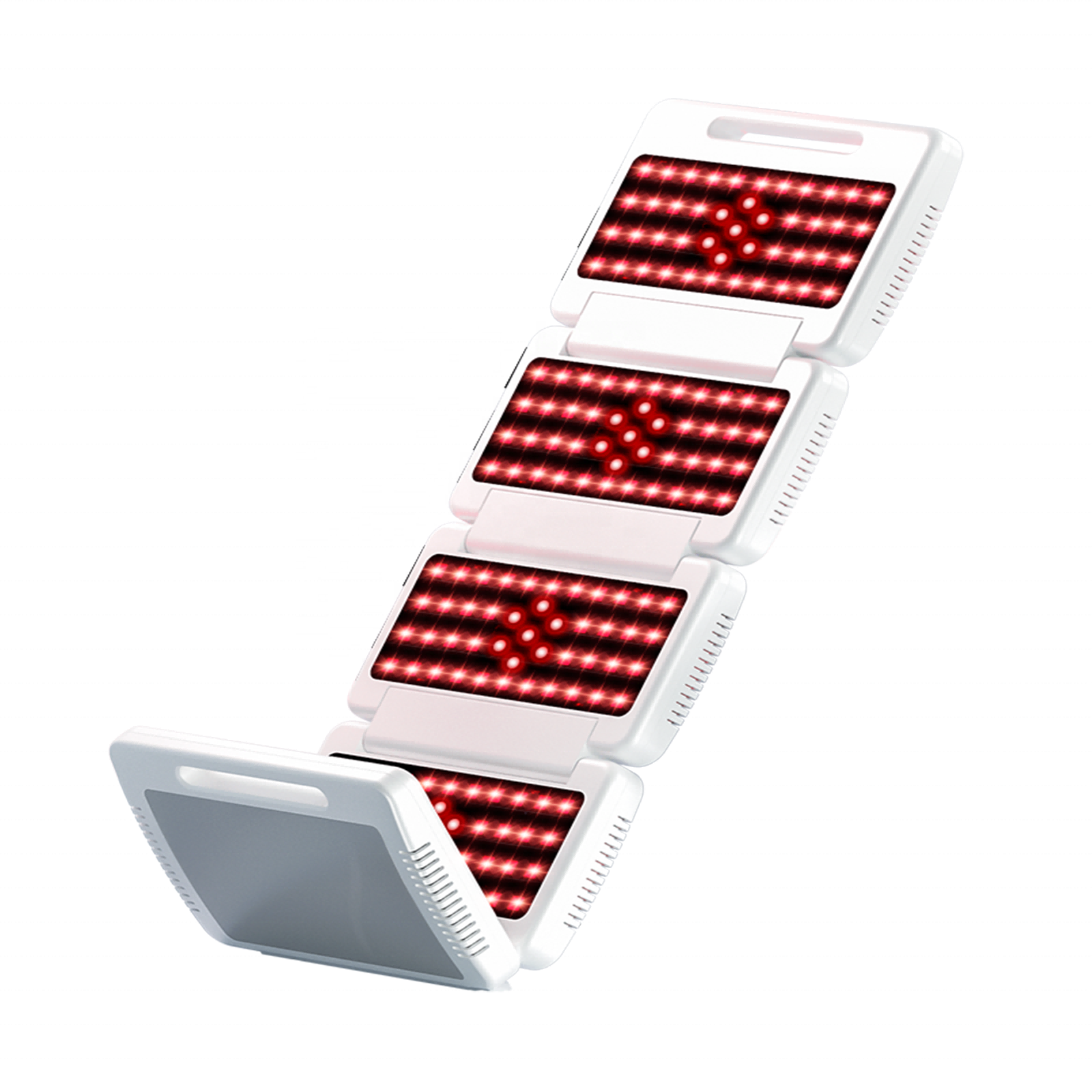
Cold laser therapy spans a surprisingly wide range of power outputs, each suited for distinct therapeutic goals. On the gentler end, low-level lasers typically operate in the milliwatt range — often between 5 and 500 mW — and are designed to stimulate cellular activity without generating noticeable heat. These devices, commonly called LLLT (Low-Level Laser Therapy), work by delivering photons that mitochondria absorb, potentially boosting ATP production and accelerating tissue repair. They’re ideal for surface-level issues like wounds, inflammation, or nerve pain because the energy doesn’t penetrate deeply but offers a subtle, cumulative effect over several sessions.
Moving up the scale, mid-powered lasers usually range from 500 mW to a few watts, bridging the gap between gentle stimulation and deeper tissue interaction. At these levels, the light begins to reach structures such as muscles, tendons, and ligaments, making them useful for joint pain, muscle strains, and moderate soft tissue injuries. The treatment sensation remains mild — most people feel little more than a faint warmth or tingling — yet the higher photon density can trigger more pronounced circulatory and anti-inflammatory responses. This range often gives practitioners a sweet spot between comfort and effectiveness for chronic conditions that require repeated sessions.
High-intensity cold lasers, sometimes approaching or exceeding 10 watts of average power, push the boundaries of what can be achieved non-invasively. Despite their output, they are still “cold” because they rely on pulsed emissions or super-pulsed technology to prevent thermal buildup — meaning they deliver intense bursts of energy followed by cooling periods. The result is deeper penetration (reaching bone, deep cartilage, or organs) and faster clinical outcomes, often noticeable in fewer visits. While the optical window is narrow and requires precise calibration, these devices can address stubborn orthopedic injuries, neuropathic pain, and even applications like fat reduction or dental surgery. Choosing the right power level ultimately depends on the target tissue depth, the chronicity of the condition, and the patient’s own healing capacity.
Real Results: How Different Lasers Compare in Clinical Studies
Clinical trials paint a nuanced picture when you line up the most common laser platforms. For skin resurfacing, erbium-doped lasers often show faster re-epithelialization compared to carbon dioxide systems, with one head-to-head study reporting an average downtime of 5.2 days versus 9.8 days. Yet the depth of neocollagenesis measured at six months post-treatment consistently favors the ablative CO₂ approach, especially in perioral rhytides. This trade-off between recovery speed and long-term remodeling is something you won't find neatly captured in marketing brochures.
Pulsed dye and Nd:YAG devices bring another layer of contrast when dealing with vascular conditions. Across multiple split-face trials, the 595-nm pulsed dye laser cleared port-wine stains more reliably after two sessions, though the 1064-nm Nd:YAG caused less immediate purpura. What surprised many practitioners was the patient-reported pain scores: despite the deeper penetration, Nd:YAG treatments were rated roughly 30% less painful, likely because epidermal melanin absorption is so much lower at that wavelength. These findings have quietly shifted some clinic protocols toward Nd:YAG-first strategies for olive and darker skin tones.
Long-term data on fractional lasers reveal that the story doesn't end at the six-month mark. A three-year follow-up study comparing non-ablative fractional 1550-nm erbium-glass and ablative fractional CO₂ found continued textural improvement in both groups, but the gap in patient satisfaction widened over time. By year three, 71% of CO₂ recipients rated their outcomes as "very satisfied" compared to 58% in the non-ablative arm, hinting that the initial discomfort and peeling may be worth it for lasting change. These numbers are reshaping how consultations handle the question of "which laser is best."
The Patient Experience: Comfort, Sessions, and Lasting Relief
From the moment you walk through the door, every detail is designed to put you at ease. Soft lighting, calming colors, and a quiet setting replace the sterile, hurried atmosphere of a typical clinic. You’re greeted by name, offered a warm beverage, and given time to settle in—no clipboards shoved at you before you’ve even taken off your coat. This is a place where your nervous system can finally exhale.
Each session moves at your pace, not a predetermined clock. We take time to listen closely, to trace the story behind your discomfort, and to adjust our approach as your body responds. Manual therapy is gentle yet deliberate, never rushed, and always with your feedback guiding the pressure and rhythm. It’s common to drift into a deeply relaxed state, sometimes even a light sleep, as tension dissolves from places you didn’t realize you were holding it.
Relief doesn’t end on the table. Days after your visit, you might notice an ease in movements that used to nag, a deeper breath that wasn’t there before, or a sense of lightness that lingers. These shifts aren’t forced—they emerge as your body remembers its own capacity for ease. Over time, with regular sessions, many find that the relief stops being just a temporary break and becomes their new baseline.
Matching the Device to Your Pain: Joints, Nerves, or Muscle Deep
Figuring out where your pain is coming from changes everything about which device will actually help. Joint pain tends to feel dull, achy, and gets worse with movement, while nerve pain often brings sharp, shooting sensations or numbness that travels. Muscle pain can be that deep, sore tightness you just can’t release on your own. Once you’ve nailed down the source, you can stop wasting time on tools that don’t reach the right tissue.
For joints, you’re usually best off with devices that provide heat and gentle compression to increase blood flow without irritating sensitive cartilage. Nerve issues demand something entirely different—TENS units that send mild electrical pulses to interrupt pain signals before they hit the brain. And if muscle knots are your nemesis, percussion massagers or myofascial release tools can dig into trigger points and physically loosen the tension. Matching your pain’s “home address” to the right mechanism is the fastest route to relief.
Beyond the Hype: Separating Marketing Claims from Proven Strength
In a market flooded with bold promises and flashy descriptors, it’s become increasingly difficult to tell whether a product’s performance matches its packaging. Buzzwords like “military-grade,” “industrial-strength,” and “ultra-durable” are tossed around with little accountability, leaving consumers to wonder where genuine quality ends and clever copywriting begins.
The real measure of strength isn’t found in a headline—it’s revealed through standardized testing, material traceability, and long-term field performance. Look beyond the asterisks and fine print: ask for load ratings, independent lab certifications, and unedited failure mode videos. A company confident in its engineering will openly share this data rather than bury it behind a wall of adjectives.
We believe in letting the numbers and real-world trials speak louder than the slogans. By stripping away the varnish, you can make informed decisions based on how a product actually behaves under stress, not just how it’s described in an ad. True strength never had to shout—it simply proves itself when it matters most.
FAQ
Class IV lasers are generally considered the strongest for therapeutic pain relief. They deliver high power output, typically over 500 milliwatts, and can penetrate deep into tissues, reaching muscles, joints, and even bone. This depth, combined with photobiomodulation effects, makes them very effective for chronic and acute pain.
Class III lasers are low-level devices, usually under 500 mW. They work well for superficial issues like skin conditions or minor inflammation. Class IV lasers start above 500 mW and often go into multiple watts – some medical units reach 25 watts or more. The jump in power means Class IV treatments are faster and can address deeper problems, but they also require more safety measures.
Cold laser, or low-level laser therapy, uses lower power and doesn't generate heat. You won't feel anything beyond a mild warmth. Hot laser, typically Class IV, produces a noticeable thermal sensation because of the higher energy output. That heat can be therapeutic for muscle relaxation, but the primary pain-relief mechanism is still cellular stimulation, not just heating.
Chronic joint pain from arthritis, stubborn back or neck pain, sports injuries like tendonitis or ligament tears, and nerve-related conditions such as sciatica often see great results with high-intensity lasers. The deep penetration helps reduce inflammation and promote tissue repair in areas that are hard to reach with other modalities.
Not necessarily. While high-power lasers can tackle deep-seated pain, some conditions only need gentle stimulation. Overly aggressive treatment can flare up inflammation in acute injuries. A skilled practitioner will match the laser class and settings to your specific condition, tissue type, and pain level.
Eye protection is mandatory for everyone in the room because Class IV beams can cause retinal damage instantly. The skin needs to be clean and free of photosensitizing creams. Pregnant women, patients with cancer, and those with pacemakers often shouldn't undergo high-intensity laser therapy near affected areas. A trained professional will always do a thorough assessment first.
Because Class IV lasers deliver more energy per session, you might need fewer visits compared to cold laser therapy. Many people feel improvement after 3 to 6 sessions, but chronic conditions can require 10 or more. Maintenance treatments every few months often help sustain the pain relief.
Focus on the wavelength combination – a mix of red and near-infrared light (like 650 nm and 810 nm) offers both superficial and deep benefits. Check the power density and pulse options, as continuous wave can build heat quickly while pulsing allows deeper penetration with less thermal risk. Also, make sure the device is FDA-cleared and comes with clear usage protocols.
Conclusion
When dealing with persistent pain, the promise of laser therapy is enticing, but not all devices deliver the same level of relief. The core differences lie in the type of laser, its wavelength, and power output. Low-level lasers (often called cold lasers) work at lower intensities and are typically used for superficial issues, while high-intensity lasers can reach deeper tissues like joints and muscles. Clinical studies consistently show that higher power densities yield more significant pain reduction and faster tissue repair, but simply cranking up the power isn't enough; the wavelength must match the target depth. For instance, near-infrared wavelengths around 800–1000 nm penetrate deeper than red light, making them better for deep joint pain. Real-world results vary: some studies report nearly complete pain resolution with multi-watt devices, whereas lower-powered units often require more sessions and offer only temporary relief.
From a patient's perspective, comfort and treatment duration matter. High-intensity lasers can sometimes cause mild warmth or tingling, but are generally well-tolerated when used correctly. Most people need multiple sessions, though stronger lasers can reduce the total number required—occasionally just 3–5 sessions for significant improvement. Lasting relief depends on addressing the cause, not just masking symptoms. For joint pain, deeper penetration is crucial; nerve pain may respond to lower doses with specific pulsing frequencies; muscle deep injuries benefit from a combination of power and larger treatment areas. Beware of marketing claims that promise “miraculous” results without scientific backing. The strongest laser for pain is not simply the one with the highest wattage, but the one that delivers the right energy to the right depth for your specific condition, backed by real evidence rather than hype.
Contact Us
Contact Person: Leon Yi
Email: [email protected]
Tel/WhatsApp: +86 17363316873
Website: https://zzgt.en.alibaba.com/