

Wheel Heat Exchanger Wholesale Buying and Sourcing Tips
2026-11-16
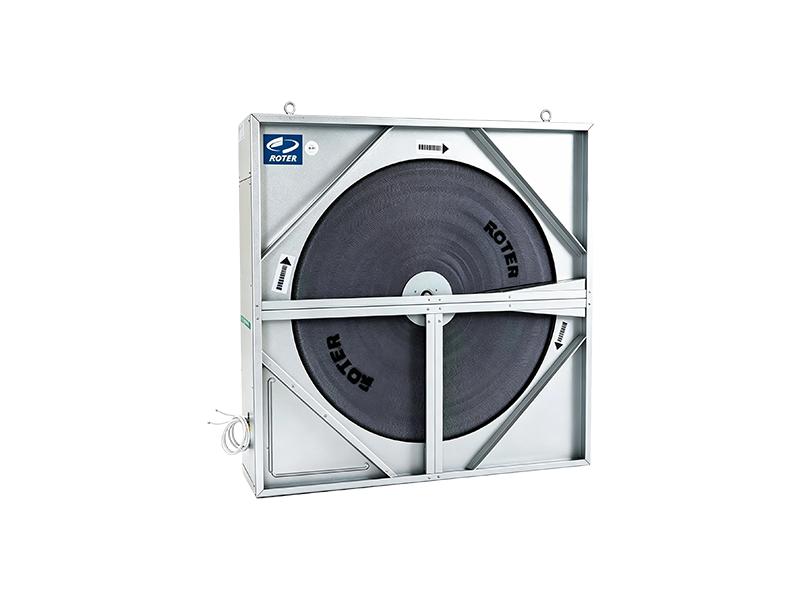
Most wheel heat exchanger sourcing advice stops at “compare three quotes.” That’s where expensive mistakes start. Cheap desiccant media, a poorly sealed casing, or vague warranty terms can turn a wholesale order into a long-term liability. This guide digs into the buying details that actually matter in bulk procurement—including how to evaluate suppliers such as ROTER for consistency, lead times, and technical support before you commit.
Where Wholesale Wheel Heat Exchanger Buyers Leave Margin Behind
The quoted unit price gets most of the attention, but it hides the real leaks. Buyers routinely accept tolerance bands on fin spacing, tube wall thickness, and casing gauge without checking how those choices affect heat transfer or service life. A supplier can cut cost in the header alloy, the coating class, or the drain placement and still meet a loose specification. By the time the coil fails early or cleans poorly, the margin has already left through warranty claims, downtime, and rework that were never compared against the upfront saving.
Freight, crating, and consolidation terms are another quiet drain. It is common to see a negotiated per-unit discount get absorbed by routing charges, rush handling, or poor pallet protection that leads to bent fins and dented headers. Buyers who define packaging, test reports, and pressure-test criteria before issuing the purchase order tend to hold onto more of the margin. The difference is rarely in the base price alone; it sits in the details that only show up after the units arrive.
Reading Spec Sheets for What Actually Affects Performance
Most spec sheets lead with numbers that look impressive in a table but mean very little once the hardware is installed. Peak throughput, burst write speeds, and theoretical bandwidth figures are usually measured in conditions nobody actually runs. What matters more is how the device behaves after ten minutes of sustained load, when thermal throttling kicks in and buffers fill up. A drive that posts a huge sequential read score can still feel sluggish if its random small-block performance collapses under real workloads.
Latency consistency is another spec that rarely gets headline treatment, yet it shapes everyday responsiveness far more than maximum transfer rates. Two devices with similar advertised speeds can behave completely differently if one shows frequent latency spikes while the other holds steady. Pay attention to sustained IOPS at low queue depths, not just the highest number on the chart. Also look for details about controller behavior, over-provisioning, and power states, since these influence whether the hardware maintains its speed or quietly slows down to manage heat.
In practice, the only way to read a spec sheet well is to ignore the single bold number at the top and dig into the footnotes. Look for test conditions, steady-state figures, and any mention of thermal limits or recovery behavior. If a vendor does not publish those details, the headline performance number tells you very little about what the component will actually do in your system.
Supplier Questions That Move Past the Standard Sales Script
Most buyers stop at lead time and minimum order quantity, but those answers get rehearsed. Ask instead about the last delay that caught them off guard and what they told the buyer when it happened. That single follow-up usually shows whether you are dealing with a production partner or a sales rep.
A more revealing angle is to ask which orders they have turned away or quietly pushed to another factory. Suppliers who admit what does not fit their line tend to be easier to work with when problems appear. Also, ask them to flag two or three details in your spec that might drive up scrap or slow down assembly before quoting.
Deeper questions around planning help too. If you add fifteen percent to a mid-season order, which line or process gets adjusted first, and who makes that call? Avoid suppliers who answer "no problem" without checking. The ones who push back with a specific schedule are usually the ones who can actually hold a date.
Comparing Factories When Every Quote Looks Nearly the Same
When every quote lands within a few cents of the next, price stops being the differentiator. It usually means the same few subcontractors are feeding half the bidders, or one factory has copied another's cost sheet. The useful differences hide in the assumptions behind the number—tooling amortization, scrap allowance, whether the finish is measured in microns or just sprayed until it looks right. Most buyers skip those details because they are not visible in a line-item table.
I've learned to ask for the production routing instead of another revised quotation. A plant that can show the actual sequence of cutting, forming, finishing, and inspection usually has someone on the floor who cares about repeatability. Plants that only resend a price sheet often have no routing at all, and their consistency depends on whichever shift is running that day. That matters far more than a three-percent price gap.
Communication tells you more than the quote does. If a supplier answers a tolerance question with a specific number and a note about tool wear, that's a factory that has measured the process. If the reply is "no problem, we can do everything," the sample they send may still be good, but the tenth container may not match it. When the numbers look identical, the boring operational questions are the only way to separate one factory from the next.
Sample Checks That Expose Problems Before a Full Order
Before paying for hundreds of units, I usually pull three or four samples from the line and spend ten quiet minutes with them. Seam tension gets ignored surprisingly often: if the stitching puckers on a curved edge or snaps when stretched, that flaw will multiply across the entire batch. I also compare the label placement against the spec sheet, not just the design mockup, because a logo shifted by half an inch can look fine in isolation but wrong next to a collar or hem.
Weight is another early signal. A material that feels lighter than the approved swatch often means the supplier substituted a cheaper blend, and no amount of color matching will fix how it drapes. I check zippers and buttons repeatedly, not once, because the fifth cycle is where weak teeth start to catch. If a sample fails any of these checks, the full order gets paused until the factory sends replacements and explains what changed.
Small hardware flaws rarely stay small in bulk. I once caught inconsistent plating on a buckle only because the samples were laid side by side under daylight; under warehouse lighting they all looked identical. That side-by-side check has since become routine. It reveals shade drift, uneven stitching, and even subtle size differences that photos and spec sheets tend to hide.
Why Production Lead Times Shift and How to Plan Around Them
Lead times rarely move for one clean reason. A supplier misses a shipment by three days, a port hold adds another week, and suddenly a part that used to arrive in twenty days now needs thirty-five. The shift often comes from overlapping small delays rather than a single breakdown. Demand swings also play a role, because a rush order at one factory can push every other job further down the queue. Once that happens, the new date gets baked into future schedules and becomes hard to reverse.
Planning around these shifts means treating the published lead time as a rough reference rather than a promise. Keep a rolling buffer that covers not only extra inventory but also extra information. If your supplier tends to confirm late or changes dates after the fact, ask for updates before the original due date arrives. Build slack into the schedule where it matters most, such as parts with few alternative sources or long shipping lanes, instead of spreading it evenly across every order.
It also helps to separate physical lead time from decision lead time. Physical movement may take two weeks, but the hidden wait for a quote, a drawing approval, or a quality check can add just as much. Shortening those internal steps often buys back more time than trying to squeeze a carrier. When the next delay hits, you will have a clearer picture of which dates can flex and which ones actually stop the line.
FAQ
Start with the rotor material and seal design rather than just the price. A supplier that openly shares performance curves and can explain how their desiccant coating behaves in humid climates usually has more engineering depth.
Ask for selection software access or at least a detailed calculation sheet. Reputable suppliers will help you match wheel diameter and depth to actual airflow and latent load, which often prevents unnecessary costs.
It depends on the region, but Eurovent, AHRI, or UL listings matter if you are reselling into commercial HVAC. Ask for copies of certificates, not just logos on a brochure.
Many factories will accept 10 to 50 units for standard sizes, but custom diameters or non-standard casing can push MOQs higher. It is better to ask about shared tooling or semi-custom options before placing a trial order.
Request a recent production video or a live video call during assembly. Pay attention to how the wheel is balanced and how the seals are fitted, because those details affect noise and leakage later.
Wheels should be crated upright or supported to avoid flexing, not laid flat on a pallet. Confirm that the supplier uses edge protectors and humidity indicators if the shipment crosses ocean freight.
If your team has local sheet metal capability, buying rotors alone can save freight and give you control over casing quality. Otherwise a complete cassette reduces field assembly problems and keeps warranty responsibility clear.
At minimum, you need a replacement seal kit available, basic commissioning guidance, and a clear response time for technical questions. Avoid suppliers who disappear after the deposit and only resend marketing material.
Conclusion
Most wheel heat exchanger sourcing errors begin long before the order is placed. Buyers commonly leave margin on the table by comparing quotes that appear identical yet differ in fin density, tube wall thickness, material grade, and the assumptions used to calculate thermal performance. A lower price can mean a thinner core, fewer fins, or a bond that fails after repeated thermal cycles. Instead of accepting the headline number, strip the spec sheet down to what actually shifts heat rejection and pressure drop. Ask how the unit behaves as ambient temperature rises, how the core is joined, and what field failures the factory records most often. Suppliers who can answer those questions with test data and honest limitations are worth far more than those who repeat a standard sales script.
When several quotes look nearly identical, the difference usually appears in what is not written down. Request samples before committing to volume, inspect fin alignment and joint quality, and cut one open if possible to check internal cleanliness. That single step exposes weaknesses that a polished catalog will never reveal. At the same time, plan around lead times that shift because raw material availability, line scheduling, and export inspections rarely follow the original promise. Confirm whether the quoted date covers production, testing, and handing goods to the forwarder. Buyers who build supplier questions, sample verification, and realistic timing into their routine end up with heat exchangers that survive repeated use rather than units that look acceptable only on the delivery pallet.
Contact Us
Contact Person: Rhea
Email: [email protected]
Tel/WhatsApp: +8618800560886
Website: https://www.rotorairtech.com