

Tug Boat Factory Secrets: How These Mighty Vessels Come to Life
2026-06-20
Ever wondered what really happens inside a tug boat factory? At Allheart, we've seen the sparks fly and the steel come alive—and it's nothing like you'd expect. From raw plate to unbreakable hulls, these workhorses hide more than just horsepower. Join us as we crack open the secrets behind building the vessels that keep the world's ports moving.
From Blueprint to Berth: The Birth of a Tug’s Design
The journey of a tugboat begins long before steel meets water, in the quiet hum of a design studio where naval architects translate operational demands into precise lines on a screen. Every curve of the hull, the placement of the towing winch, and the angle of the wheelhouse are deliberate choices shaped by the tug’s intended role—whether it will nudge massive container ships in a busy port, escort tankers through narrow channels, or battle rough seas in salvage operations. The blueprint stage is a conversation between form and function, balancing power, stability, and maneuverability without an ounce of excess.
From these drawings, a three-dimensional model takes shape in computational fluid dynamics simulations, where virtual currents test the hull’s efficiency and wake patterns. Adjustments are made iteratively—a slight flare here to deflect spray, a deeper skeg there for tracking—until the design achieves that elusive blend of brute force and nimble grace. Materials are chosen not just for strength but for longevity in a corrosive saltwater world, and the propulsion system is tailored to deliver bollard pull precisely where it’s needed most.
When the final plans are approved, the birth of the tug moves from the screen to the shipyard, where skilled hands bend plate and weld frames into the shape conceived months before. The launch is a quiet milestone, but the true berth comes when the tug first strains against a hawser, its engine throbbing as it maneuvers its charge with a seasoned touch. That moment—when purpose and design finally meet—is the culmination of countless decisions made back when the tug was nothing more than an idea on a blank page.
Steel Giants Awaken: Cutting and Shaping the Hull
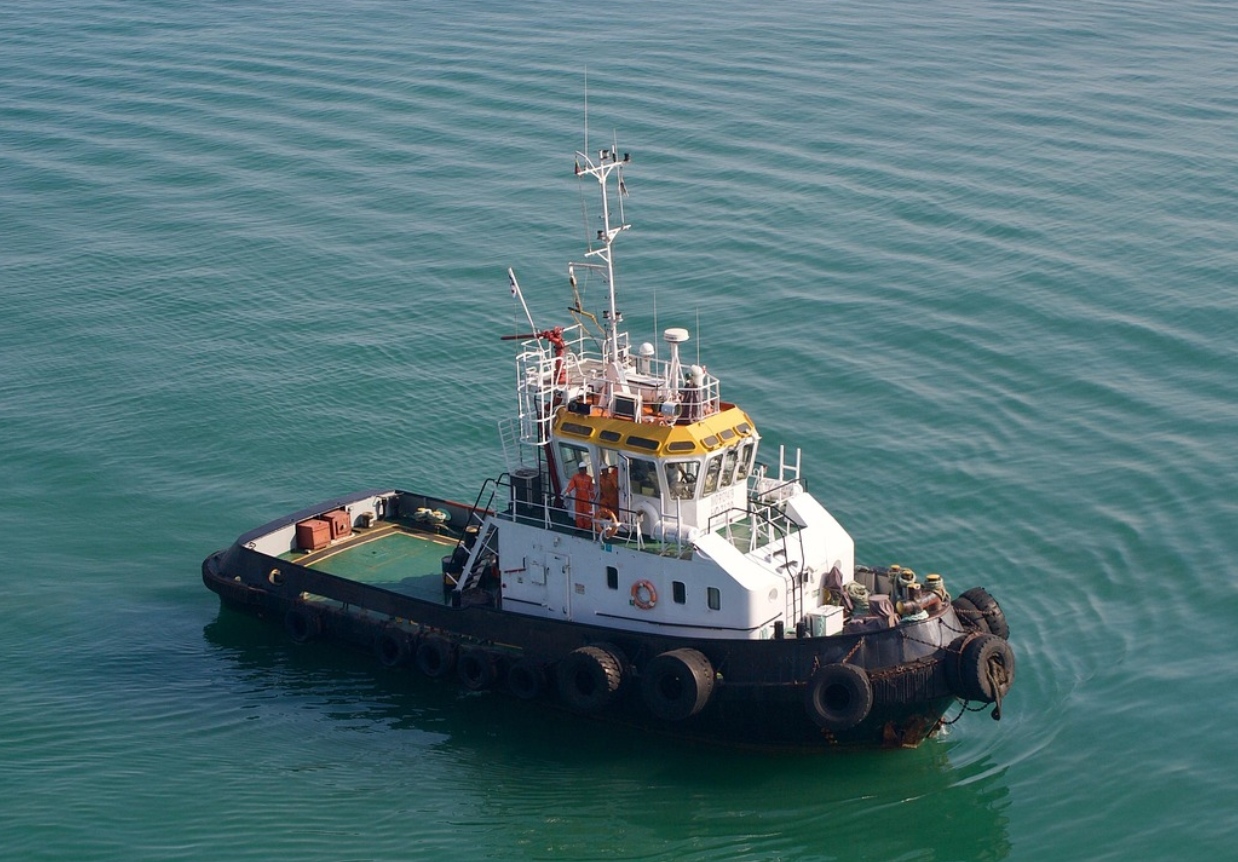
The shipyard stirs before dawn, a sprawl of gantries and cranes silhouetted against a pale sky. Inside the vast fabrication halls, the first sparks leap from cutting torches, severing immense steel plates with a hiss that reverberates through the concrete floor. These are the raw bones of something monumental—flat, unyielding sheets that will soon bend to the will of human hands and fire. The air carries the tang of hot metal and the low, steady rhythm of machinery waking up, a mechanical pulse that signals the birth of another giant.
Shaping the hull is a dance between brute force and delicate control. Plasma arcs slice through inches-thick steel, tracing lines drawn from digital blueprints, while hydraulic presses groan as they coax curvature into the plates. Workers move with practiced ease, their faces lit by the blue-white glare of welds, pulling levers and reading gauges with an intuition forged over decades. Each section emerges with a subtle sweep—a compound curve that will one day cleave through swells, its surface smooth enough to catch the light yet strong enough to withstand the ocean’s fury. It’s a transformation that feels almost alchemical, turning rigid sheets into a seamless, living form.
Out on the ways, the assembled segments rise like a metallic cliff, scaffolding clinging to their flanks. The hull’s shell now holds the promise of distant horizons, but for the moment it’s anchored in a storm of noise and activity—riveters hammering, sparks showering, cranes swinging arcs of plate into place. There’s a strange stillness at the center of it all, the giant waiting silently as layers of primer and paint seal its skin. Soon it will slide into the water and taste salt for the first time, but today it remains earthbound, a steel leviathan stirred from endless sleep by the grind and clamor of creation.
Power Unleashed: Installing the Mighty Engines
The roar of raw power begins long before the vessel touches the water. Beneath the deck plates and polished chrome, the heart of the machine takes shape—an intricate dance of steel, wiring, and sheer human sweat. Mounting these engines isn't just a matter of lining up bolt holes and torque specs. It's a dialogue between mass and precision, where an eighth‑inch miscalculation can turn a thousand horsepower into a very expensive paperweight. Crews work in the tight, grease‑slicked spaces where patience is more valuable than physical strength, guiding cast‑iron blocks into place with the careful reverence of a watchmaker.
Every installation carries its own personality. One engine might slide home like it's returning to a familiar berth, while the next fights every bracket and alignment dowel as if it resents being confined. The real art isn't in the manual—it's in reading the metal, feeling the subtle shift of weight, knowing when to coax and when to command. And when the last mount is locked down and the fuel lines are primed, there's a collective exhale. The stillness of the engine room holds a promise: this quiet giant is ready to wake.
Then comes the moment of truth. Fingers hover over the ignition, and that first crank isn't just a test—it's an initiation. The stillness shatters, replaced by the deep, chest‑rattling thrum of combustion. Every nut and weld either vindicates itself or cries out for adjustment. When it runs clean, there's a shared look among the crew that words can't capture. The engines are no longer just components; they're the pulse of the boat, waiting to trade the sanctuary of the workshop for the open water.
Brain Meets Brawn: Wiring the Tug’s Command Center
Retrofitting a tugboat isn't just about bolting on bigger engines. When we decided to wire up its command center, the real challenge was letting the vessel think as fast as it reacts. This meant routing bundles of cable through steel bulkheads, installing shock-mounted consoles, and making sure every circuit could handle the constant vibration and salt spray. The tug's raw muscle gets all the glory, but without a nervous system that translates split-second decisions into engine thrust and rudder angles, that brawn is just noise.
Walking into the wheelhouse now feels less like stepping into a machine room and more like entering a cockpit. The console layout puts critical data right at eye level, with thruster controls falling naturally to hand. We ran redundant paths for the navigation and communication systems, so a single chafed wire won't leave the pilot blind in a tight turn. Even the smallest details—like using color-coded terminal blocks and labeling everything in waterproof tags—make a difference when troubleshooting under a rolling deck. It's about building a space where instinct meets instant feedback.
The payoff comes when you watch the tug nudge a ship twice its size against a dock with barely a bump. All that quiet wiring, the shielded sensor cables, and the carefully tuned joysticks disappear into the background, leaving only the sense that the boat is reading the water and the pilot's intentions at the same time. It's a strange harmony—a brawny workboat that got a brain transplant. And now, the whole command center feels like it's breathing along with the crew.
First Splash: The Thrill of Launch Day Trials
That morning felt like holding a rough piece of code in one hand and a ticking clock in the other. We’d rehearsed the deployment steps a dozen times, but when the first real user clicked through, the silence in the room broke into scattered cheers and frantic Slack pings. Every broken image looked like a puzzle we couldn’t wait to solve.
There’s a strange beauty in watching strangers poke at something you built in the dark. A button misaligned on mobile wasn’t a failure—it was a live experiment, feedback with a pulse. One user typed “finally!” in the signup flow, and that single word erased weeks of doubt.
By afternoon, the dashboard began breathing with real data: dwell times, rage clicks, the quiet path of someone finishing a purchase. Launch day isn’t a finish line. It’s the first time your assumptions collide with human curiosity, and that collision is the rawest thrill of making anything worth launching.
Final Touches and the Voyage to a New Homeport
The last week at the yard blurred into a caffeine-fueled haze of paint touch-ups, sensor calibrations, and one particularly stubborn hatch that refused to seal. Every surface had been scrubbed, every brass fitting polished until it threw sunlight across the bridge. The crew moved with a quiet urgency—not frantic, just aware that this chapter was closing. A fresh coat of anti-fouling paint went on below the waterline, its copper-rich shimmer a private farewell from the hands that had shaped her. Someone tucked a handwritten checklist behind a panel in the engine room, half as a joke, half as a time capsule.
The morning of departure, mist still clung to the cranes like damp wool. Lines were singled up, then cast off without ceremony—the real goodbye had been whispered the night before in the echoing sheds. As the tugs nudged her bow toward the channel, a few yard workers paused on the pier, coffee cups raised in silent salute. The engine rumbled into a deeper rhythm once clear of the breakwater, and the hull began to speak in its own language of creaks and settling vibrations. There was no fanfare, just the slow satisfaction of a machine finally doing what it was built to do.
The voyage itself was a blur of sun-bleached decks and night watches under spilled-salt skies. A pod of dolphins surfed the bow wave off the Azores, scattering phosphorescence like green fire. By the time the new port materialized through the haze—a low smudge of warehouses and cranes that would become familiar—the ship had already shed the smell of the yard. As the pilot ladder clattered against the hull, the captain made a small note in the log: “Arrived home.” It wasn’t the end of a journey, just a change of address for the stories yet to come.
FAQ
It's not the hull. The very first step is often creating a scale model for tank testing—something that can take months of tweaking to perfect the hydrodynamics before a single steel plate is cut.
Their secret lies in the propulsion system. Modern tugs use azimuth thrusters or Z-drives that can rotate 360 degrees, giving them incredible bollard pull—often exceeding 80 tons—despite their compact size.
The wheelhouse, surprisingly. It needs to withstand massive shock loads from towing and still offer 360-degree visibility, often built with reinforced glass and vibration-dampening mounts that require precision welding.
They perform a 'bollard pull test' on land, using massive hydraulic rigs to simulate the forces the tug will face at sea, sometimes pulling against a fixed anchor with strain gauges recording every newton.
Cork. It's used in the engine room for insulation and soundproofing—natural cork layers can cut noise by up to 20 decibels, making life bearable for the crew during long hauls.
For a standard 30-meter tractor tug, you're looking at 10 to 14 months. But specialized ice-class or escort tugs can take over two years due to the extra strengthening and sea trials in extreme conditions.
It's a stability test where weights are shifted across the deck and the precise lean angle is measured. This determines the vessel's center of gravity and is so sensitive that even a light breeze can throw off the readings, so it's done in enclosed docks.
Many have hidden firefighting systems integrated directly into the hull—remote-controlled water cannons fed by dedicated pumps that can draw seawater from below, capable of throwing foam or water over 150 meters without ever putting the tug in direct danger.
Conclusion
Step inside a tug boat factory and you'll quickly realize these compact workhorses are far more complex than their stout frames suggest. It all starts in a quiet design office where naval architects wrestle with hydrodynamics and horsepower, turning a pile of specifications into a 3D model that balances brute force with surprising agility. Once the blueprints are locked, the real noise begins—massive steel plates are plasma-cut with hair-splitting precision, then bent and welded into the hull’s unmistakable shape, a process that feels more like sculpting than manufacturing. The hull transforms from flat sheets into a three-dimensional puzzle, with each seam scrutinized to ensure it can shrug off years of saltwater and strain.
With the skeleton complete, the gargantuan engines are lowered into place, a heart transplant where clearances are so tight that a stray inch could spell disaster. But a tug is more than muscle; its nerve center comes alive in the wheelhouse, where engineers thread miles of cable and install consoles that will give captains fingertip control over 5,000 horsepower. The first real test arrives on launch day, when the vessel slides into the water and the crew holds its breath—then pushes the throttles to the pins during bollard-pull trials, feeling the surge of raw power through every rivet. After any last tweaks and a coat of paint that’s as much about identity as protection, the tug finally embarks on its delivery voyage, often through rough seas, to a new homeport where it will spend decades nudging giants into place.
Contact Us
Contact Person: Benny Hu
Email: [email protected]
Tel/WhatsApp: +8618354225697
Website: https://www.allheartmarine.com/