

Top Used Excavators for Your Next Construction Project
2026-05-06
Planning a construction project and weighing equipment options? Used excavators can be a game-changer, balancing performance with budget. But finding quality machines that won't let you down is key. That’s where a trusted supplier like JILIANG CHI comes in—offering top-tier used excavators that deliver reliability without the brand-new price tag. Let’s explore the best picks for your next job.
Unearthing the Best: Top Excavators That Get the Job Done
When a project deadline looms and the ground won't budge, the right excavator makes all the difference. It's not just about horsepower on a spec sheet—real performance shows up in the swing speed, fuel burn over a 12-hour shift, and how smoothly the hydraulics respond when precision counts. Some machines feel like an extension of the operator from the moment the joystick moves, while others fight you every inch. The top contenders in today's market blend raw digging force with finesse, so you can trench, load, and grade without burning through extra passes.
Durability is another non-negotiable. Anyone who's spent time on a jobsite knows that downtime from a broken track adjuster or a leaking cylinder can crater productivity. The excavators that earn their keep are the ones with reinforced booms, sealed undercarriage components, and cooling systems that don't throw in the towel when the dust gets thick. It's telling when a rental fleet manager notices which models come back with fewer repair tags after months of steady use—those are the machines worth owning long-term.
Then there's the cabin, a place where small comforts quickly become big deals. A seat with actual support, intuitive controls that don't require a manual, and enough glass to see the trench edge without craning your neck—these things separate a forgettable excavator from one operators request by name. Air conditioning that handles a Texas summer and a display that doesn't wash out in direct sunlight aren't just perks; they're tools that keep work moving. The best excavators don't just dig deeper or lift heavier loads. They make the day feel shorter, the job cleaner, and the results tangible when the last bucket of spoil is loaded out.
Compact Powerhouses: Mini Excavators for Tight Spaces
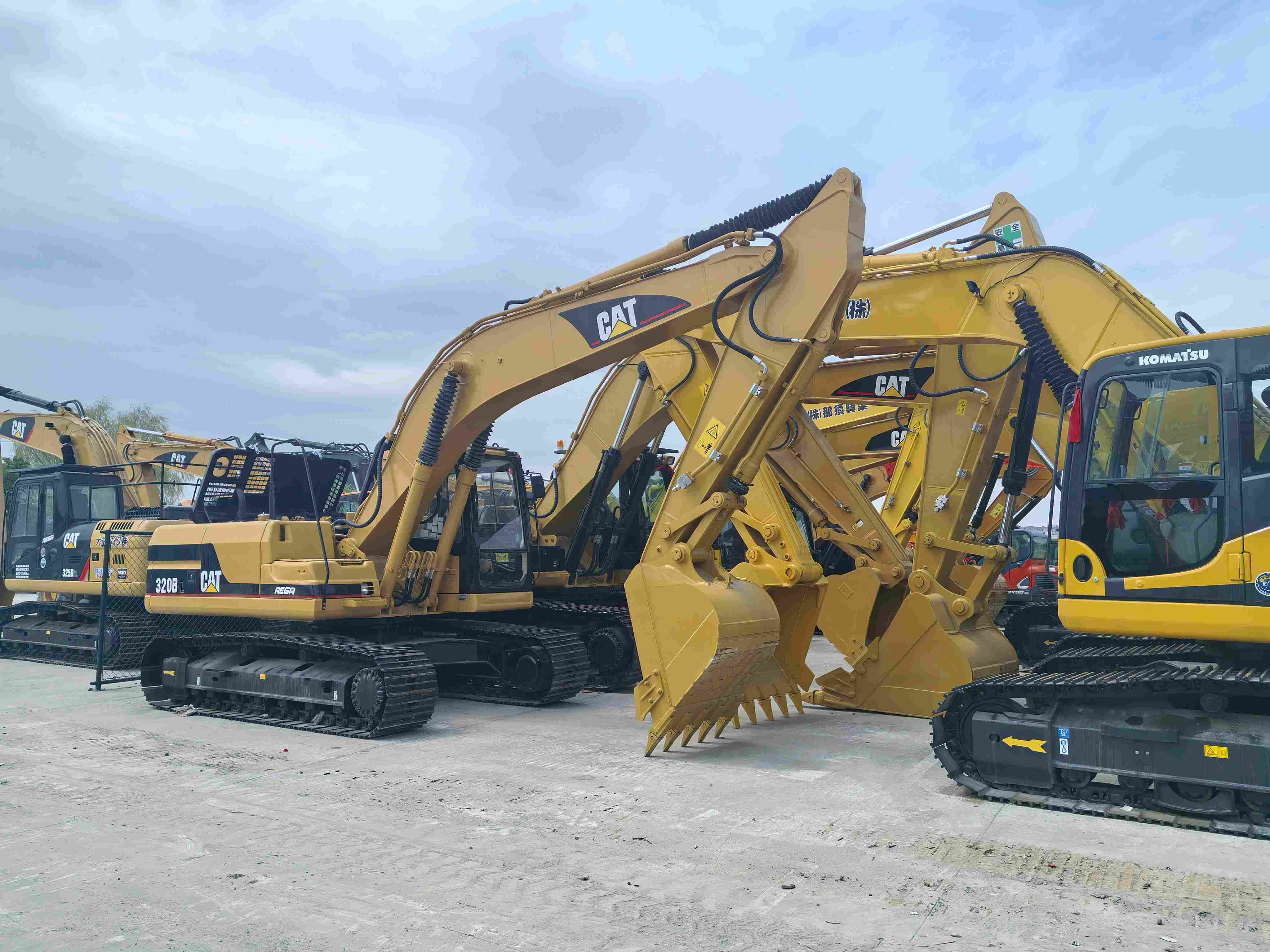
In urban alleys and interior renovation projects, full-sized equipment simply can't fit. Mini excavators glide through narrow doorways and work within confined footprints, handling digging and demolition tasks with surprising precision.
A zero-tail-swing design lets you operate flush against walls without risking collisions. Adjustable undercarriages widen for stability or narrow for passage, while quick couplers allow instant switching between buckets, breakers, and augers—turning one machine into a multi-tool.
From basement clear-outs to landscape contouring, these compact units deliver power without the bulk. Their low ground pressure and quiet operation make them ideal for residential projects and municipal repairs where minimizing disruption matters.
Heavy Lifting Giants: Large Excavators for Major Earthmoving
There’s something primal about watching a 500-ton excavator tear into a hillside, its bucket swallowing boulders and soil in one sweeping arc. These mechanical behemoths are built for a single purpose: reshaping the earth on a colossal scale. From open-pit mines to highway cuts through mountain ranges, they move materials that would overwhelm any ordinary machinery, day after grinding day.
What sets these giants apart isn’t just brawn—it’s the engineering that channels immense diesel power into precise, rock-solid control. A single cylinder can generate enough force to lift a loaded semi-truck, while advanced hydraulics modulate every movement to avoid wasting fuel or shattering components. Bucket capacities routinely exceed 40 cubic yards, and with specialized attachments, they morph from diggers into rippers, hammers, or even massive grapples, adapting to whatever the geology throws at them.
On a recent dam project in British Columbia, a fleet of large excavators moved over three million cubic meters of basalt in less than eight months—a tempo that would have been unthinkable two decades ago. Operators often speak of the machine’s “feel,” a tactile feedback that comes from joysticks linked to servo-assisted valves, allowing them to skim a final grade within centimeters. Reliability is carved into every component: undercarriages built to withstand constant abrasive wear, cooled exhaust systems that barely flinch under 24/7 operation, and quick-change couplers that keep downtime to a flicker between tasks. In the end, these heavy lifting giants don’t just excavate earth; they redefine what’s possible on a job site.
Fuel Efficiency Meets Raw Power: The Smart Choice for Your Budget
Gone are the days when you had to choose between a throaty engine growl and a fuel gauge that barely moves. This machine blends both worlds with a powertrain that delivers instant, brutal acceleration when you stomp on the pedal, yet sips fuel so gently during your daily commute that you’ll forget the last time you visited a gas station. It’s not magic—just clever engineering that puts every drop of fuel to work without sacrificing the grin-inducing torque you crave on open roads.
Under the hood, advanced combustion technology and a lightweight chassis work in tandem to trim excess weight and parasitic losses. The result? A visceral driving experience where each gear shift feels purposeful, accompanied by a deep, resonant exhaust note that announces your presence long before you arrive. Yet behind the scenes, the engine management system constantly optimizes fuel delivery, so you can push hard on weekends and still get surprisingly efficient numbers during the week. No more guilt trips at the pump—just pure driving satisfaction that respects your wallet.
Owning such a vehicle changes the way you think about practicality. It’s the kind of car that makes you volunteer for errands, just to fire up that powerplant. And because it doesn’t demand premium fuel or constant fill-ups, it leaves more cash in your pocket for the road trips and adventures that matter. This isn’t just a compromise between performance and economy; it’s a breakthrough that makes you wonder why every car can’t feel this alive while still being gentle on your budget.
Attachment Versatility: Maximize Your Excavator's Potential
A single excavator can transform into a fleet of specialized machines with the right attachments. From hydraulic breakers that shatter concrete to tiltrotators offering 360-degree rotation, the versatility is unmatched. Swapping tools quickly means one machine handles digging, lifting, and demolition without needing multiple units on site.
Beyond the standard buckets, consider grapples for sorting debris or thumbs for gripping irregular objects. Even in tight urban settings, compact attachments boost efficiency without sacrificing power. Keeping a selection on hand ensures you're ready for whatever the job demands, turning downtime into productive work.
Don't overlook the value of quick couplers and advanced hydraulic systems. They slash changeover times and let operators jump between tasks seamlessly. Regularly evaluating your attachment lineup against project needs helps avoid bottlenecks—your excavator becomes a truly adaptable asset rather than a one-trick machine.
Operator Comfort and Control: The Unsung Heroes of Productivity
When we talk about heavy machinery or long-haul trucking, the conversation often skips over the person in the seat. Yet the way an operator interacts with the controls and how comfortable they feel directly shapes output. A cramped cab or stiff joystick might seem like minor annoyances, but over a 10-hour shift, those little frustrations add up. Muscles tighten, focus drifts, and the operator starts taking shortcuts just to get through the day. Thoughtful design—adjustable armrests, intuitive button placement, responsive pedals—keeps the mind on the task rather than on the ache in the lower back.
Control layout is another piece of the puzzle that rarely gets its due. When every lever and switch is exactly where instinct expects it to be, work flows. There’s no need to glance down, no second-guessing. Seasoned operators can develop a rhythm that feels almost automatic, and that rhythm is what separates a good day from a great one. Manufacturers who study hand movements and grip ergonomics end up creating interfaces that disappear from conscious thought. The result? Faster cycle times and fewer errors, without the operator even realizing why.
Beyond physical ease, there’s the mental weight of a well-designed station. A seat that isolates vibration, climate control that actually works, and a dashboard that doesn’t scream information overload—these things signal to the operator that their well-being matters. When you feel valued, you take ownership. You pay attention to the fuel gauge, you listen for odd engine noises, you care. That invisible shift in attitude often translates into numbers: less fuel burn, longer machine life, and a worksite that hums rather than grinds.
FAQ
Buying used can save you a significant chunk of your budget while still delivering reliable performance, especially if you focus on well-maintained models from reputable brands. Plus, used machines often come already equipped with essential attachments, so you're ready to start working sooner.
Mid-sized excavators in the 15 to 30-ton range offer the best balance of power, reach, and maneuverability for most construction jobs. They’re versatile enough to handle foundation digging, demolition, and site prep without being too bulky to transport.
You can't go wrong with names like Caterpillar, Komatsu, or Hitachi. These manufacturers are known for durability and a wide availability of parts, which makes maintenance simpler and less expensive over the long haul.
Check the undercarriage condition, engine hours, and look for any signs of leaks or irregular wear. Also, test the hydraulic functions thoroughly—jerky movements or unusual noises can point to costly repairs ahead.
High hours aren't necessarily a deal-breaker if the machine has a documented maintenance history and was used in less demanding applications. Focus on how the equipment was cared for rather than the hour count alone.
Yes, many late-model used excavators come equipped with advanced technology. Retrofitting is also an option on older machines, so you can enjoy precision and efficiency upgrades without buying new.
Conclusion
When planning your next construction project, choosing the right used excavator means balancing raw capability with real-world practicality. Often, the best machines aren't simply the biggest, but those that align most closely with your site demands—whether you're threading through tight urban trenches or stripping overburden on a sprawling earthworks site. Compact mini excavators earn their keep by slipping into backyards and narrow alleys where larger machines can't even turn, yet they still deliver surprising breakout force. On the other end of the spectrum, heavy-duty large excavators move mountains of material per cycle, making them non-negotiable for mass excavation and quarry work. Between these extremes, smart buyers increasingly prioritize fuel-efficient models that don't sacrifice digging power, directly lowering operating costs across long shifts while maintaining necessary productivity. A machine that burns less fuel yet responds instantly under load keeps the budget in check without forcing the operator to nurse the throttle.
Yet the true potential of any used excavator is unlocked well beyond its engine specs. A machine's versatility grows exponentially through a well-chosen suite of attachments—hydraulic thumbs, tiltrotators, or mulchers that transform a standard earthmover into a demolition tool, a grader, or a material handler. This adaptability extends the iron's usefulness across your entire project timeline, often reducing the need for multiple specialty machines. Equally vital are the unsung elements of cab design, where seat suspension, intuitive joystick layout, and climate control directly impact how many hours an operator can stay sharp and productive. A comfortable, controllable machine reduces fatigue-related mistakes and keeps work flowing smoothly. In the used market, seeking out models that combine proven mechanical reliability with these ergonomic and attachment-friendly features leads to a fleet that works harder, smarter, and longer, truly earning its place as the top choice for your next job.
Contact Us
Contact Person: Sally Xiao
Email: [email protected]
Tel/WhatsApp: 086-18221477398
Website: http://www.shjiliangchi.com/