

Top Hydraulic Drifter Manufacturer Guide for Choosing Reliable Drilling Equipment
2026-11-16
Finding a hydraulic drifter that actually holds up under brutal drilling conditions isn’t just about spec sheets—it’s about knowing which manufacturers engineer for real-world punishment. This guide cuts through the noise to help you evaluate reliability, service support, and long-term cost, with insights that include proven names like PULANKA. Whether you're outfitting a new rig or replacing a failing unit, the right choice starts here.
Spec Sheet Blind Spots: What Buyers Miss When Comparing Hydraulic Drifters
Most buyers flip straight to impact energy and blow rate, but those numbers rarely tell you how a drifter behaves once it's bolted to a real carrier. Flow and pressure tolerance matter more. A unit that looks identical on paper can starve the hammer if your carrier's hydraulic output sits at the edge of the spec. Check the acceptable back-pressure ceiling and the cooling capacity required—those often get buried in fine print.
Another overlooked area is what happens after a few hundred hours. Spec sheets list maximum hole diameter and weight, but say nothing about side plate bushing life, front head wear patterns, or how often the tool chuck needs shimming under actual rock conditions. Noise and vibration data are usually collected in a lab, not on fractured basalt with the drifter at a weird angle. Ask for field reports from similar jobs.
Finally, the commercial side. Warranty language frequently excludes the exact components that fail first—shanks, bushings, retaining bars. Service and parts lead times can erase any upfront price advantage. A fair comparison should include cost per drilled meter with realistic consumable replacement intervals and downtime, not just the sticker price.
Matching Blow Energy to Ground Conditions Instead of Chasing Maximums
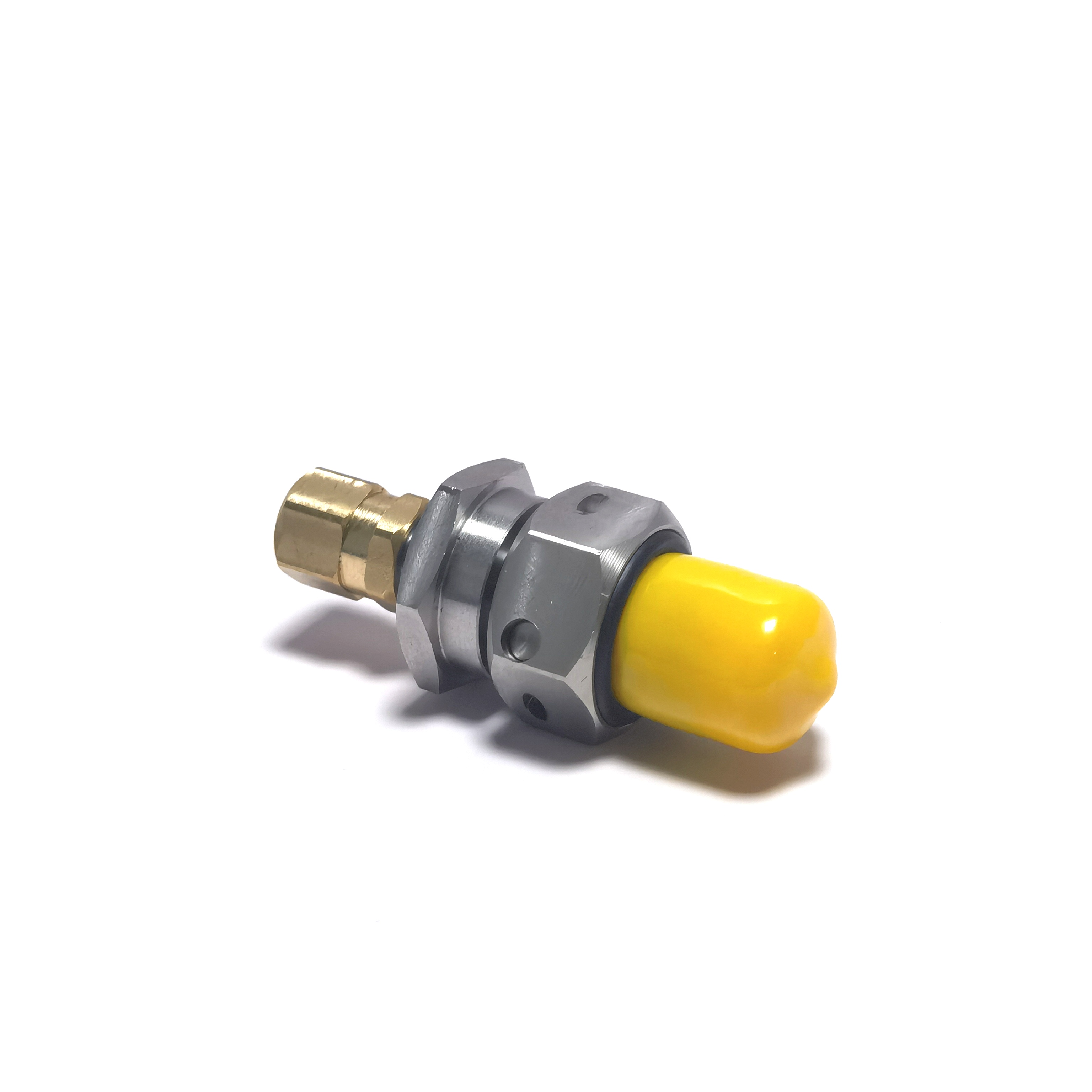
Driving a pile at the highest available energy can feel like the safe choice, but it rarely matches what the ground actually needs. Soft clays and loose sands often respond better to a controlled, moderate blow count that lets the soil displace and reorganize without sudden pore pressure spikes. Using maximum force in these conditions can cause the pile to refuse early, whip, or set unevenly, leaving you with a false sense of bearing capacity.
The smarter approach is to read the soil layers and adjust hammer energy as the pile moves through them. In dense gravel or hard till, a short burst of higher energy may be warranted, but only until the toe gets through the transition zone. After that, stepping the energy back down protects the pile head and reduces noise and vibration transmitted to nearby structures. It also cuts fuel or hydraulic demand, which extends equipment life and lowers operating cost per driven meter.
Field adjustments matter more than a fixed energy setting. Recording blow counts, penetration per blow, and rebound at each meter gives you a real-time picture of ground response. When the energy is matched to the stratum, refusal comes from genuine end bearing or skin friction—not from a pile that has been overdriven into a dense layer. That distinction shows up later in load tests and long-term settlement performance, making it a better measure of quality than chasing the biggest blow energy available.
How Seal and Lubrication Choices Decide Your Maintenance Intervals
Maintenance schedules rarely fail because a bearing suddenly gives up. They fail because the seal lets moisture sneak past, or the grease oxidizes faster than the manual predicted. A skipped inspection might be forgiven, but a seal that can't hold back washdown water or a lubricant that stiffens in cold startups quietly pulls your next service date weeks closer.
The mismatch between sealing material and operating conditions often shows up as premature leakage or hardening. If you pair a nitrile seal with high-temperature exposure, for example, the lip loses flexibility and lets contaminants in, forcing more frequent teardowns. Lubrication choices compound the problem: using a general-purpose grease in a high-load, low-speed application leads to uneven film breakdown, more heat, and shorter intervals between greasing or replacement.
A better approach is to treat seal and lubricant as one wear couple. Choose a seal that matches the chemical and thermal environment, then pick a lubricant with the right base oil viscosity and additive package for that same range. When both are aligned, water stays out, lubricant stays put, and maintenance intervals stretch without guesswork.
Verifying Manufacturer Claims with Real-World Failure Data
Manufacturer datasheets often cite mean time between failures (MTBF) figures derived from accelerated life testing or statistical models. Those numbers can look impressive on paper, but they rarely reflect how components behave in actual service. Real-world failure data from maintenance logs, warranty returns, and field sensors tells a different story. Comparing these two sources quickly exposes gaps between claimed reliability and what operators experience.
One common approach is to gather failure timestamps across a fleet of deployed units and fit them to a Weibull or lognormal distribution. This lets you estimate the shape parameter and see whether failures are infant mortality, random, or wear-out dominated. If the empirical failure rate differs sharply from the datasheet’s constant hazard assumption, the manufacturer’s claim becomes questionable. Even small discrepancies in early-life failure rates can signal design or production issues.
Another useful check is to track failure modes that are absent from the vendor’s reliability report. Real-world data frequently reveals electrical overstress, connector fatigue, or thermal cycling failures that laboratory testing missed. When multiple independent fleets show similar patterns, it strengthens the case that the published MTBF is optimistic. Ultimately, field data does not merely validate a number—it forces a more honest conversation about operating conditions, maintenance burdens, and total cost of ownership.
The Inventory Trap: Why Spare Parts Availability Outweighs Initial Price
Many procurement teams still chase the lowest upfront quote, only to discover later that a missing $12 gasket can idle a $400,000 machine for three weeks. That's the inventory trap in action. Initial price looks great on the purchase order, but it becomes irrelevant the moment you're waiting on a backordered drive belt while production deadlines slip. Smart buyers have learned to flip the equation: they ask how fast a supplier can ship the parts you didn't know you'd need.
The real cost of downtime isn't the part itself—it's the lost output, the overtime scramble, and the frantic calls to distributors who may or may not have stock. A vendor with deep, local spare parts inventory acts like an insurance policy with no deductible. You pay a few percent more on the equipment, perhaps, but you avoid the hundred-thousand-dollar hole that opens when a single component fails and nobody has it on the shelf. That's not speculation; it's arithmetic.
Warranty clauses and service contracts often hide this weakness. A cheap machine paired with a slow parts network means every maintenance event becomes a crisis. By contrast, equipment built around parts availability—standardized components, regional warehousing, and overnight delivery promises—keeps your operation boring, which is exactly what you want. The next time a sales rep pushes a rock-bottom price, ask one question: if this breaks on Friday night, what's in your local warehouse?
Surface vs. Underground: A Drifter Decision Map for Site-Specific Needs
When you're staring at a deposit that could go either way, the real question isn't just depth but how the ground behaves close to surface. Loose overburden, old workings, or a high water table can make a shallow open pit far riskier than a slightly deeper decline. I've seen teams default to surface simply because it looks cheaper on paper, only to burn months on dewatering and slope stabilization. A quick structural scan and a few test pits will tell you more than any rule of thumb.
Underground drifters shine when the ore body is steep, narrow, and sits under terrain that would require stripping a mountain. But don't ignore ventilation and access logistics—a three-kilometer haul from a portal can erase the cost advantage. On the other hand, surface operations let you switch drill patterns fast when grade changes, and you can use bigger rigs. The map should weigh not just today's ore, but how the site will grow: a small pit can become a massive underground mine later, and your initial choice sets the path for that.
FAQ
Look beyond the spec sheet. A dependable unit holds up under awkward drilling angles, gritty water, and long shifts. Pay attention to how the front head seals handle contamination, whether internal flushing paths stay clear under low water pressure, and how easily wear parts can be swapped on site. Field reputation among contractors often tells you more than a brochure wattage figure.
Not necessarily. Raw impact power means little if the drill string can't transfer the energy. In hard, abrasive formations, a balanced combination of impact frequency, rotation torque, and bit diameter matters more. A tool that hammers too hard with weak rotation just burns bits and cracks rods. Match the drifter size to the hole diameter and rock hardness, not just peak kilowatts.
Ask for real reference sites with similar geology. Check how long the company has supported models after release and whether they stock critical components locally. Watch for manufacturers who openly share service intervals, pressure settings, and troubleshooting guides rather than hiding behind dealer networks. A good sign is when their engineers ask about your rock conditions before quoting a model.
Daily greasing of the shank area and checking accumulator charge pressure are non-negotiable. Also monitor hydraulic oil cleanliness with regular particle counts, because contamination silently destroys internal pistons and valves. Keep a log of impact hours per bit change, and investigate any sudden drop in penetration rate instead of forcing the machine through.
A well-built drifter can fail early on a poorly aligned feed. Misalignment bends shanks and overloads side bushings. Ensure the feed beam stays straight under load, the cradle cushions vibrations, and the hydraulic supply pressure remains stable during rapid repositioning. Many drifter failures are actually feed system problems wearing out the front end.
Only if integration matters to you. A dedicated drifter manufacturer may offer deeper expertise in the hammer unit itself, while a full-rig builder gives you matched hydraulics and control systems. If you already own carriers or plan to retrofit, a specialized drifter maker with adapters for multiple feeds is often more flexible. Base the choice on whether you need one component or a complete turnkey package.
Normalize the numbers. Impact power, blow frequency, and rotation torque must be quoted at the same input pressure and flow. Some brands list maximum theoretical output without driller operating ranges. Ask for pressure-flow curves and realistic oil temperature assumptions. Better still, request a trial on your own rock with your own rig and measure net penetration rate and bit wear per meter.
Look at more than purchase price. Consider spare parts lead times, tool shank availability, and whether the drifter requires proprietary wear parts. High-pressure seals and accumulators can become frequent expenses if water quality is poor. Also factor in training time for your crew; a complex control system that saves fuel may cost you weeks of downtime if operators struggle to adjust settings.
Conclusion
Choosing a hydraulic drifter that will actually hold up on site means looking past the polished spec sheets. Most buyers fixate on maximum blow energy or impact frequency, but those numbers mean little if the unit isn't tuned to the ground you're breaking. A drifter with excessive power in soft or fractured rock can cause premature wear, while an underpowered one will struggle in hard granite. The real differentiator often hides in the seal and lubrication design. Poorly matched seals let dust and water into the percussion chamber, silently cutting service life, while a well-designed lubrication circuit keeps hammering consistently with far fewer interruptions. Instead of chasing peak figures, ask how the drifter performs at typical operating pressures and in similar geological conditions.
Beyond the brochure, verifying what the manufacturer claims requires hard evidence. Request failure data from real job sites, not just lab test results—mean time between overhauls, common failure modes, and how quickly issues surface under sustained load. Then consider the inventory trap. A cheap drifter with scarce spare parts can sit idle for weeks waiting on a single seal kit, while a slightly pricier unit with regional parts support saves tens of thousands in downtime. Finally, surface and underground operations impose different constraints: ventilation, carrier size, and drilling angle requirements shift the ideal choice dramatically. Use a site-specific decision map that weighs rock hardness, access, and duty cycle before selecting a manufacturer.
Contact Us
Contact Person: Elma
Email: [email protected]
Tel/WhatsApp: +86 13738628777
Website: https://www.pulankagroup.com/