

Top 10 Nickel Alloy Steel Grades: Advanced Properties and Industrial Applications
2026-01-26
In the world of advanced engineering materials, nickel alloy steel stands out as a cornerstone for demanding industrial applications, offering unparalleled strength, corrosion resistance, and durability. As industries push the boundaries of innovation, understanding these top-performing steel grades becomes crucial. This blog delves into the top 10 nickel alloy steel grades, exploring their advanced properties and real-world industrial applications. Whether you're in energy, aerospace, or chemical processing, these alloys can transform performance and efficiency. At Jiangsu Baowu New Materials, we're dedicated to pioneering high-quality materials that meet these rigorous demands. Join us as we uncover what makes these nickel alloy steel grades essential for modern engineering challenges and how they're shaping industries worldwide.
Understanding Nickel Alloy Steel: Key Characteristics and Benefits
Nickel alloy steel, often overlooked in favor of more conventional materials, holds a unique position in industrial applications thanks to its remarkable blend of strength and versatility. Unlike standard steels, these alloys incorporate nickel in varying proportions, which fundamentally alters their properties, making them ideal for environments where corrosion resistance and durability are paramount. From chemical processing plants to aerospace engineering, the material's ability to withstand extreme temperatures and aggressive substances without compromising structural integrity is a game-changer. This adaptability stems from nickel's role in stabilizing the steel's microstructure, enhancing both toughness and weldability, which simplifies fabrication processes.
Delving into its key characteristics, nickel alloy steel stands out for its exceptional corrosion resistance, a feature that sets it apart from many other metals. The nickel content forms a protective oxide layer that shields against rust and degradation, even in highly acidic or saline conditions, making it a reliable choice for marine applications and oil refineries. Additionally, these alloys exhibit superior thermal stability, maintaining strength and ductility across a wide temperature range—from cryogenic levels to high-heat scenarios. This thermal resilience is crucial in industries like power generation, where components must endure fluctuating stresses without failure. Moreover, the material's fatigue resistance ensures longevity under cyclic loading, reducing maintenance costs over time.
The benefits of nickel alloy steel extend beyond mere performance metrics, offering tangible advantages in real-world scenarios. For instance, its enhanced durability translates to longer service life for machinery and infrastructure, leading to reduced replacement frequency and lower lifecycle costs. In sectors such as automotive manufacturing and construction, this material enables lighter yet stronger designs, boosting efficiency and safety without sacrificing reliability. By choosing nickel alloy steel, engineers and designers gain a versatile tool that not only meets stringent regulatory standards but also fosters innovation in tackling complex engineering challenges, ultimately driving progress in technology and sustainability.
Exploring the Top Nickel Alloy Grades: Composition and Performance
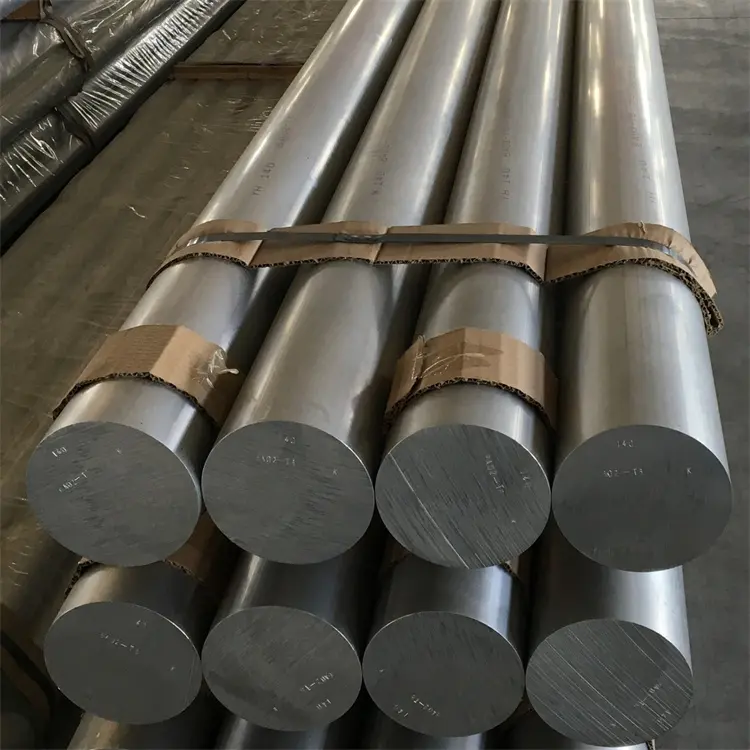
Nickel alloys are renowned for their exceptional performance in demanding environments, making them indispensable in industries like aerospace, chemical processing, and power generation. These materials typically consist of nickel blended with elements such as chromium, molybdenum, and iron, each addition fine-tuning properties to meet specific needs. For example, Inconel 625 stands out with its high nickel and chromium content, which provides outstanding corrosion resistance and strength at elevated temperatures. Meanwhile, Hastelloy C-276 incorporates molybdenum and tungsten to combat harsh acidic conditions, ensuring longevity in chemical reactors. Understanding the precise composition of these top grades is key to selecting the right alloy for applications where failure isn't an option.
Beyond their chemical makeup, the performance of nickel alloys hinges on their ability to withstand extreme stresses and corrosive agents. Monel 400, a workhorse alloy with significant copper content, excels in marine settings by resisting saltwater corrosion and maintaining ductility. In contrast, alloys like Alloy 718 are engineered for high-temperature stability, often used in jet engine components where they resist creep and oxidation under intense heat. This versatility allows engineers to tailor solutions, whether it's for deep-sea pipelines exposed to hydrogen sulfide or turbines operating in scorching environments. By delving into these performance metrics, we can appreciate how nickel alloys bridge the gap between durability and functionality in critical systems.
What sets top nickel alloy grades apart is their innovative adaptations to modern challenges. Newer formulations, such as those with micro-alloying elements like titanium or niobium, enhance weldability and fatigue resistance without compromising core properties. For instance, Incoloy 825 combines nickel, iron, and chromium with added copper and molybdenum to handle both oxidizing and reducing acids, making it a go-to for pollution control equipment. As industries push boundaries, these alloys evolve, offering improved lifecycle costs and sustainability by reducing maintenance needs. By exploring their compositions and performances, we gain insights into how these materials shape advancements in technology and infrastructure, proving that even small tweaks in alloy chemistry can yield big impacts on reliability and efficiency.
High-Temperature Applications: Nickel Alloys in Extreme Environments
In the world of engineering and materials science, nickel alloys are often the unsung heroes when it comes to tackling extreme heat. These alloys aren't just about handling high temperatures; they're engineered to maintain structural integrity and resist oxidation and corrosion even in the most punishing environments, from jet engines to industrial furnaces. Think of them as the backbone of modern technology, where reliability under duress is non-negotiable. Their unique composition, often blending nickel with elements like chromium and molybdenum, creates a synergy that outperforms many other metals, making them indispensable in sectors where failure is not an option.
What sets nickel alloys apart in high-temperature applications is their ability to thrive where others falter. For instance, in the aerospace industry, components like turbine blades and exhaust systems face temperatures that can melt lesser materials, yet nickel alloys endure, thanks to their superb creep resistance and thermal fatigue strength. This isn't just a matter of withstanding heat; it's about ensuring safety and efficiency over prolonged periods. Refineries and power plants also rely on these materials for piping and reactors, where chemical stability under heat is critical, preventing costly downtime and enhancing overall operational longevity.
Looking ahead, the role of nickel alloys is expanding into emerging fields like advanced nuclear reactors and space exploration, where extreme environments push the boundaries of material science. Innovations in alloy design are continuously refining their properties, such as improving oxidation resistance or reducing thermal expansion rates. This ongoing evolution highlights how these materials aren't static solutions but dynamic assets, adapting to new challenges and driving progress in technology and industry, ensuring that they remain at the forefront of high-temperature applications for years to come.
Corrosion Resistance: How Nickel Alloys Protect Against Harsh Conditions
Nickel alloys stand out in industrial applications for their exceptional ability to withstand corrosion, even in environments where other materials quickly degrade. These alloys, which often include elements like chromium and molybdenum, form a stable oxide layer on their surface that acts as a barrier against corrosive agents. In harsh conditions—such as high temperatures, acidic solutions, or saltwater exposure—this protective layer prevents the metal from reacting with its surroundings, ensuring long-term durability and reducing maintenance costs. For instance, in chemical processing plants or offshore oil rigs, nickel alloys are trusted to maintain integrity where lesser materials would fail, showcasing their vital role in safety and efficiency.
The versatility of nickel alloys extends to specific grades tailored for different corrosive threats. For example, alloys like Inconel and Hastelloy excel in resisting pitting and crevice corrosion, common issues in marine or industrial settings with chloride-rich conditions. By fine-tuning the composition, manufacturers can enhance resistance to oxidizing acids, reducing agents, or alkaline environments, making these alloys adaptable across diverse sectors. This adaptability not only protects equipment but also supports innovation in industries such as aerospace and energy, where harsh operational demands require materials that won't compromise under stress.
Beyond mere resistance, nickel alloys offer practical benefits that set them apart in the market. Their high-temperature stability allows them to perform reliably in extreme heat, preventing degradation that could lead to costly failures. In applications like power generation or desalination plants, this resilience translates to extended service life and reduced environmental impact. By investing in nickel alloys, industries gain a material solution that not only defends against corrosion but also enhances overall system performance, proving why these alloys remain a go-to choice for tackling the toughest conditions head-on.
Industrial Uses Across Sectors: From Aerospace to Chemical Processing
Advanced materials play a pivotal role in modern industry, with their applications spanning diverse sectors. In aerospace, high-strength composites like carbon fiber-reinforced polymers are essential for manufacturing lightweight yet durable aircraft components, from fuselages to wings, enhancing fuel efficiency and performance. Meanwhile, in automotive manufacturing, these materials contribute to producing stronger, lighter vehicles that meet stringent safety and environmental standards, driving innovation in electric and autonomous cars.
Beyond transportation, the chemical processing industry relies heavily on specialized materials such as corrosion-resistant alloys and high-temperature ceramics. These are critical for constructing reactors, pipelines, and storage tanks that handle aggressive chemicals or extreme conditions, ensuring operational safety and longevity. For instance, stainless steel and titanium alloys are commonly used in refineries to prevent leaks and contamination, safeguarding both the environment and product quality in processes like petrochemical refining.
The versatility of industrial applications extends to sectors like energy and electronics. In power generation, materials such as superalloys enable turbines to operate at higher temperatures, boosting efficiency in gas and nuclear plants. Similarly, in electronics manufacturing, conductive polymers and semiconductors facilitate the production of smaller, faster devices, from smartphones to medical equipment. This cross-sector integration highlights how material advances continually reshape industries, fostering innovation and sustainability across the globe.
Future Trends and Innovations in Nickel Alloy Steel Development
Looking ahead, the development of nickel alloy steels is being propelled by a growing demand for materials that can withstand increasingly harsh environments, particularly in sectors like aerospace, energy, and high-temperature industrial applications. Researchers are focusing on enhancing properties such as creep resistance, corrosion protection, and thermal stability through advanced alloying techniques, including the incorporation of rare earth elements and micro-alloying additions. These innovations aim to extend the lifespan and performance of components exposed to extreme conditions, making them more reliable and cost-effective in the long run.
A notable trend is the integration of additive manufacturing, or 3D printing, which allows for the creation of complex, lightweight nickel alloy parts with customized microstructures. This technology enables precise control over material properties, reducing waste and enabling rapid prototyping for specialized applications, such as turbine blades or medical implants. By leveraging these manufacturing advances, the industry can push the boundaries of what's possible, leading to more efficient and sustainable designs that adapt to evolving challenges.
Additionally, sustainability and environmental considerations are shaping future innovations, driving efforts to develop nickel alloys with lower environmental impact. This includes exploring recycling methods, reducing reliance on critical raw materials, and enhancing energy efficiency in production processes. As these trends converge, the field is set to deliver smarter, greener solutions that not only meet technical demands but also align with global sustainability goals.
FAQ
Their exceptional resistance to corrosion and high-temperature stability make them ideal for extreme environments like chemical processing and aerospace.
Inconel 718 is renowned for its excellent tensile strength and durability, often used in gas turbine components and cryogenic storage.
Grades like Monel 400 excel due to superior resistance to seawater corrosion, preventing degradation in pipelines and marine hardware.
It's widely used in chemical processing equipment and pollution control systems because of its ability to withstand harsh acids and chlorides.
Alloy 20 offers enhanced resistance to sulfuric acid and stress-corrosion cracking, making it a top choice for sulfuric acid plants and food processing.
Their high strength-to-weight ratio and creep resistance at elevated temperatures ensure reliability in jet engines and exhaust systems.
Grades like Inconel 600 provide excellent neutron absorption and thermal stability, crucial for reactor components and heat exchangers.
Yes, alloys such as MP35N are biocompatible and corrosion-resistant, ideal for surgical implants and diagnostic equipment.
Conclusion
Nickel alloy steels represent a critical class of materials distinguished by their exceptional combination of strength, toughness, and environmental resistance. Understanding these alloys involves recognizing their key characteristics—such as enhanced mechanical properties at high temperatures and improved corrosion resistance—which stem from nickel's ability to stabilize austenitic structures and form protective oxides. The benefits extend beyond mere durability, offering cost-effectiveness through longer service life and reduced maintenance in demanding applications, making them indispensable across various industries.
Exploring the top nickel alloy grades reveals a diverse range, each tailored with specific compositions to optimize performance. For instance, grades like Inconel and Hastelloy are engineered for high-temperature applications in extreme environments, such as jet engines and nuclear reactors, where they maintain integrity under thermal stress. Meanwhile, their corrosion resistance protects against harsh conditions in chemical processing and marine sectors. Industrial uses span from aerospace, where lightweight yet strong alloys are vital, to energy and medical fields, highlighting their versatility. Future trends point toward innovations like additive manufacturing and eco-friendly alloys, driving advancements that will further expand their applications and efficiency in a rapidly evolving technological landscape.
Contact Us
Contact Person: Zoe Liang
Email: [email protected]
Tel/WhatsApp: 86 189 2128 6299
Website: https://www.baowuchina.com