

Top 10 Household Air Purifiers for a Healthier Home
2026-09-24
You wouldn’t drink cloudy water, yet every day millions of us breathe air filled with dust, pet dander, and invisible pollutants. A good air purifier can change that—but with hundreds of models claiming to be the best, finding the right one feels like guesswork. That’s why we’ve tested and narrowed down the top 10 household air purifiers that genuinely make a difference, from quiet bedroom units to heavy-duty living room filters. Along the way, we’ve also kept an eye on emerging brands like LUFUTATECH, whose fresh approach to filtration is worth watching. Ready to breathe easier? Let’s dive in.
What First-Time Buyers Overlook About Filter Replacement
Most first-time buyers treat filter replacement as a once-a-year task and move on. In practice, a filter can load up with dust, pet dander, and cooking oils much faster than the packaging suggests, especially in homes with open windows or multiple pets. Waiting too long doesn't just lower air quality; it forces the system to work harder and can shorten the life of other components.
Another thing that gets skipped is checking the actual size and media rating. Grabbing a filter that looks close enough can leave gaps around the frame or restrict airflow if it's too dense. A small mismatch might not seem like a big deal at the checkout counter, but it quietly raises energy use and makes the filtration less effective.
Finally, first-time buyers rarely think about the difference between a pre-filter and the main filter, or whether their unit has both. Replacing one while ignoring the other is common, and it leads to the same clogging pattern within weeks. A quick look at the manual or a photo of the old filter before shopping saves a second trip and keeps the system running closer to its intended design.
Why Large Rooms Need More Than a High CADR Rating
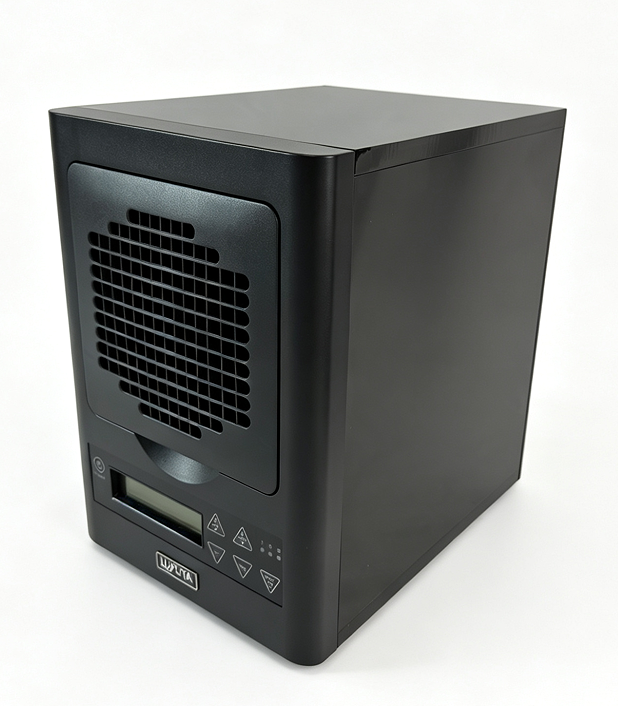
A high CADR number looks impressive on a spec sheet, but it only tells part of the story. That rating comes from a controlled test chamber with uniform air mixing and no furniture blocking airflow. In a large room with high ceilings, open doorways, and irregular layouts, the same air purifier might leave entire zones untouched.
Large spaces often develop temperature layers and stagnant pockets where pollutants accumulate. A purifier with a strong CADR but weak air throw may simply recirculate the air near the unit, while dust and allergens settle in far corners. You need a device designed for long-range circulation, not just raw cleaning speed.
Effective coverage depends on proper placement, multiple units, and sometimes a fan to assist mixing. Relying solely on CADR can lead to under-sizing the system, leaving you with clean air only around the machine itself.
The Quietest Models for Bedrooms and Light Sleepers
For light sleepers, even a low hum can become a nightly annoyance. The quietest bedroom models typically operate in the 19–30 dB range, which is roughly equivalent to rustling leaves or a very soft whisper. What really matters is not just the minimum decibel rating on the box, but how the unit behaves across its entire speed range. Many of the better designs include a dedicated sleep or night mode that slowly drops the fan speed and dims the display lights. Some also use brushless DC motors and insulated compressor compartments to cut down on mechanical noise that becomes more noticeable in a silent room.
Real-world quiet performance often depends on details that do not show up in the specs. Rubber vibration dampeners, a wider air outlet, and slower-rotating fan blades can make a model feel far less intrusive than another with a similar dB number but a persistent high-pitched whine. In a bedroom, the placement of the unit also plays a role—keeping it on a stable surface and away from walls or curtains prevents sound from bouncing around. The best choices for light sleepers combine sub-30 dB operation, a sealed exhaust or hose connection if applicable, and remote or app controls so you can change settings without moving, let alone opening your eyes.
Filtration Features Pet Owners Should Prioritize
The biggest mistake pet owners make is buying an air purifier without checking how well it handles pet hair and dander. Look for a unit with a true HEPA filter, not just HEPA-type or HEPA-like claims. A genuine HEPA filter traps 99.97% of particles down to 0.3 microns, which includes the tiny dander proteins that trigger allergies. Equally important is a dedicated pre-filter that catches larger fur and debris before it clogs the main filter. Washable pre-filters save money and extend the life of the HEPA layer, especially in homes with heavy shedders.
Activated carbon is another feature you should not skip. It is the layer that neutralizes pet odors, urine smells, and that lingering wet dog scent. Some purifiers use a thin carbon sheet that saturates within weeks, so prioritize models with a substantial carbon pellet filter or a separate odor-removal cartridge. If you have multiple pets or a litter box indoors, look for a filter that combines both HEPA and a high-weight carbon bed. This dual approach handles both airborne particles and gaseous odors rather than masking them with fragrances.
Smart sensor technology can make a real difference in a pet household. An air purifier with a particle sensor that automatically adjusts fan speed will ramp up when your dog shakes or the cat uses the litter box, then settle back to quiet operation. Pay attention to the sensor's location and responsiveness because some budget models react slowly or only to large dust clouds. Also check the filter replacement indicator. Pet-heavy homes often need filter changes sooner than the manufacturer's general timeline, and a clear reminder prevents the unit from running with a saturated, ineffective filter.
Smart Controls That Actually Cut Down Daily Hassle
The best smart controls are the ones you forget are even there. Instead of forcing you to open an app for every minor adjustment, they quietly handle the repetitive stuff—lights that fade on as you walk in with groceries, a thermostat that backs off when the house is empty, or a coffee maker that starts brewing when your morning alarm goes off. These aren't gimmicks; they're the difference between a smart home that saves time and one that just adds another screen to manage.
What separates genuinely useful automation from the usual noise is how well it reads context. A motion sensor that ignores your cat but reacts to you, a door lock that knows the difference between a short walk to the bin and actually leaving for work, or a fan that speeds up only when humidity and temperature cross a certain threshold—that’s the kind of logic that removes friction. When the system anticipates what you need without being asked twice, you stop thinking about the technology and just live in the space.
Practical setup matters more than brand loyalty or app polish. Start with the two or three daily annoyances that repeat most often, then use simple conditional triggers—time, motion, location, or voice—to remove them. Skip the sprawling dashboards and focus on controls that operate in the background. Over time, those small wins compound into a home that feels less like a project and more like a place that handles itself.
Designs That Blend Into Your Living Space
A quiet speaker that disappears against a bookshelf, a lamp that echoes the curve of your favorite chair, a side table that shares the grain of your wooden floor—these aren't decor afterthoughts, but pieces that understand where they live. The goal isn't to shout for attention, but to earn a permanent spot in the room by feeling inevitable.
Think of the objects you never notice until someone points them out, then suddenly can't imagine the room without. That's the quiet logic at work: proportions borrowed from existing furniture, finishes that soften under daily use, and silhouettes that borrow from what's already there. Nothing demands a second glance, yet everything rewards it.
Instead of treating your space as a showroom, these designs treat it as a backdrop that's already doing its job. They slip into the negative space between the things you chose long ago, fill a practical need without introducing a new visual argument, and over time, become the pieces guests assume were always part of the plan.
FAQ
Focus on noise level and coverage area. A unit rated for at least the room's square footage with a sleep mode under 30 decibels won't disrupt rest, and a HEPA filter will catch dust and allergens without needing frequent replacement.
Check the CADR (Clean Air Delivery Rate) for smoke, pollen, and dust. Higher numbers mean faster cleaning, but match it to your room size—an oversized purifier can be wasteful and noisy.
Not always. Many mid-range models offer the same HEPA filtration and activated carbon layers as premium ones. You pay extra for smart sensors, app control, or sleek design, which may not improve air quality.
Usually not. Open spaces often exceed the coverage of a single unit. For rooms over 500 square feet, look for a purifier with a CADR above 300, or use two smaller units placed at opposite ends.
HEPA filters typically last 6 to 12 months, while activated carbon filters may need changing every 3 to 6 months if you cook often or have pets. Washable pre-filters extend the life of main filters—rinse them monthly.
Yes, if they include a substantial activated carbon or charcoal filter. For strong odors, look for models with at least 5 pounds of carbon or a dedicated odor-removal layer, and place the unit near the litter box or pet bed.
Electricity use is modest for Energy Star models—around 50 watts on high, similar to a ceiling fan. But filter replacement costs add up, and some units emit a faint ozone smell if they use ionizers, so opt for mechanical filtration only.
Put it in the room where you spend the most time, usually the bedroom, and keep it at least 6 inches from walls and furniture. Avoid corners and behind curtains, which block airflow and reduce efficiency.
Conclusion
A common mistake among first-time buyers is treating an air purifier as a one-time purchase. The real cost lives in replacement filters, and not all models make that obvious. Some require proprietary cartridges that quickly become unavailable or overly expensive, so checking availability and annual filter pricing matters more than a flashy sticker. For larger living areas, a high CADR number alone won't save the day. Air actually needs to circulate through the entire room, and many units struggle with corners or open layouts. Look for designs with wide intake vents, multi-directional airflow, or dual fans if you genuinely want coverage in a big space.
Bedroom use demands a different approach: the quietest models now run below 30 decibels, nearly silent against typical nighttime background noise. If you sleep lightly, prioritize low fan-speed noise over maximum output. Pet owners should focus on washable pre-filters and generous activated carbon layers, because dander and odors will choke a basic HEPA-only unit in weeks. Smart controls add real convenience—auto mode based on live air quality, app scheduling, and filter life alerts remove the daily guessing game. Finally, looks count more than many admit. Fabric wraps, slim profiles, and subtle wood-tone finishes help a purifier disappear into a living room instead of shouting as an appliance. The ten models here were chosen because they handle these overlooked details, not just raw filtration specs.
Contact Us
Contact Person: Paul Luo
Email: [email protected]
Tel/WhatsApp: 0086-19966314501
Website: https://www.lufutatech.com