

Silicon Steel Innovations: Enhancing Material Efficiency for Modern Industries
2026-01-22
In the ever-evolving landscape of modern industrial technology, the quest for material efficiency stands as a cornerstone of progress. 'Silicon Steel Innovations: Enhancing Material Efficiency for Modern Industries' delves into how breakthroughs in silicon steel are reshaping sectors from energy to manufacturing, driving sustainability and performance. At Jiangsu Baowu New Materials, we’re at the forefront of these advancements, crafting solutions that not only meet today's demands but anticipate tomorrow's challenges. Join us as we explore the cutting-edge developments that are setting new benchmarks and inspiring curiosity about what’s next in material science.
Breaking New Ground in Silicon Steel Technology
Innovations in silicon steel technology are reshaping the landscape of electrical equipment, with recent breakthroughs focusing on enhancing magnetic properties while reducing energy losses. Researchers have developed novel grain-oriented silicon steel grades that feature exceptionally low core loss, achieved through advanced metallurgical processes that refine crystal structures for superior efficiency in transformers and motors. These advancements not only boost performance but also align with global sustainability goals by cutting down on wasted power, making them crucial for modern energy systems and renewable applications.
Beyond traditional improvements, the field is adopting unconventional approaches like nano-coating techniques and alloy modifications to push the boundaries further. For instance, the integration of rare earth elements has led to silicon steel variants with enhanced thermal stability and reduced noise levels in high-frequency operations. This has opened doors for more compact and durable designs in electric vehicles and industrial machinery, where space and reliability are paramount, showcasing how these technologies are not just incremental but transformative for diverse industries.
Looking ahead, the cutting edge of silicon steel technology involves smart manufacturing and AI-driven optimization, enabling real-time adjustments during production to tailor properties for specific uses. This customization allows for bespoke solutions that match the unique demands of emerging sectors like smart grids and high-speed transport, ensuring that silicon steel remains a cornerstone material in powering a more efficient and connected world.
Boosting Material Use and Cutting Down on Waste
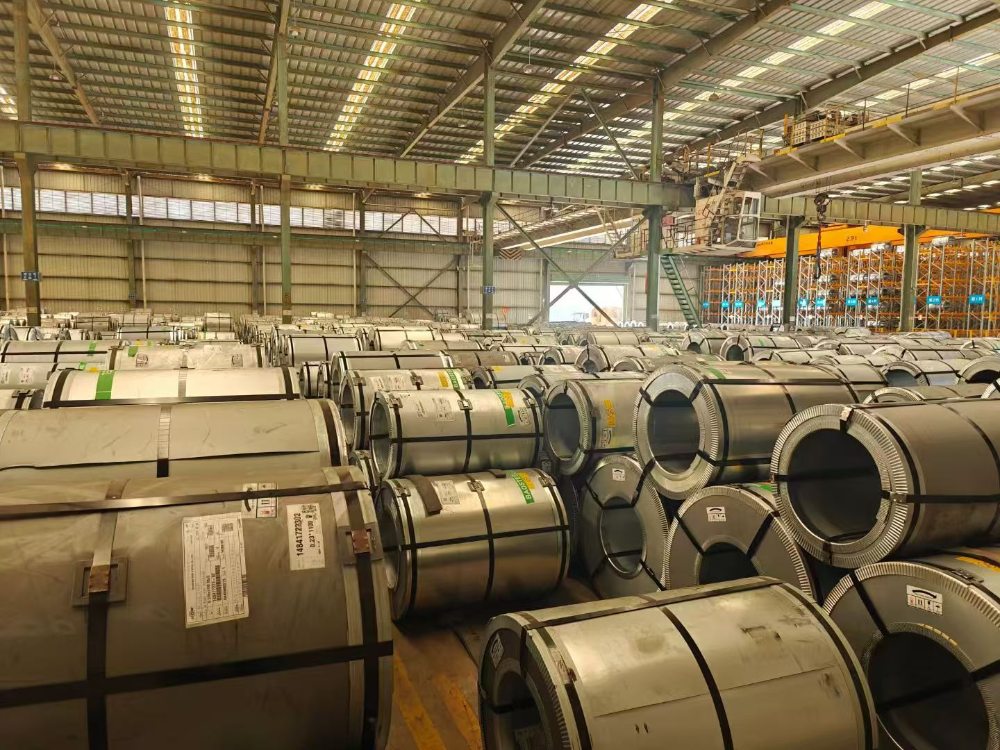
Imagine a world where resources aren't just used, but maximized at every step. Boosting material efficiency isn't merely about cutting scraps; it's about rethinking entire processes to get more value from what we already have. From design stages that minimize excess to smarter manufacturing that reduces leftover bits, this approach can transform how industries operate. By focusing on higher utilization rates, companies can often see immediate cost savings while significantly extending the lifespan of raw materials.
What really sets this apart is its proactive nature. Instead of treating waste as an inevitable byproduct, it encourages seeing every piece of material as a potential asset. Innovations like modular designs, which allow components to be reused across multiple products, or advanced recycling techniques that reclaim more from end-of-life items, are pushing boundaries. This shift not only conserves resources but also sparks creativity—leading to products and systems that are inherently more resilient and adaptable.
Beyond environmental gains, cutting down on waste fosters a culture of responsibility and innovation. It challenges teams to ask: how can we do more with less? Simple steps, such as optimizing packaging or repurposing industrial byproducts, can have ripple effects across supply chains. As more industries embrace these principles, they’re not just reducing their footprint—they’re building a competitive edge that resonates with both consumers and partners who value sustainability and ingenuity.
Key Applications Driving Industry Advancements
Industries evolve rapidly when pivotal applications unlock new efficiencies and capabilities, shifting entire sectors forward. In manufacturing, the integration of IoT sensors on production lines has transformed data collection, allowing real-time monitoring that slashes downtime and boosts output. Meanwhile, in healthcare, AI-powered diagnostic tools are accelerating patient care by analyzing medical images with unprecedented accuracy, leading to earlier interventions and improved outcomes. These applications not only solve existing challenges but also set benchmarks for future innovation, creating ripple effects that redefine operational standards and competitive landscapes.
Beyond incremental improvements, certain applications act as catalysts, sparking widespread adoption of technologies like automation and blockchain. For instance, smart grid systems in energy management optimize distribution and reduce waste, while supply chain blockchain enhances transparency and trust among global partners. By addressing core pain points—such as resource allocation and security concerns—these solutions drive tangible progress, encouraging industries to invest in transformative tech. This momentum fosters a cycle of continuous advancement, where each successful application inspires further experimentation and refinement across diverse fields.
Ultimately, the most influential applications blend practicality with visionary potential, bridging gaps between theoretical concepts and real-world implementation. From fintech innovations that streamline transactions to environmental monitoring tools that track climate impacts, they demonstrate how targeted applications can lead to scalable industry shifts. As sectors increasingly rely on these drivers, they pave the way for collaborative ecosystems, where shared insights and adaptable frameworks fuel sustained growth and resilience in an ever-changing economic landscape.
Sustainability Gains from Smarter Material Choices
By opting for materials that are locally sourced, biodegradable, or derived from renewable sources, companies can slash their environmental footprint in ways that many overlook. Think about it: swapping out conventional plastics for plant-based alternatives or choosing reclaimed wood over newly harvested timber doesn't just cut down on waste—it fundamentally reshapes supply chains, reducing transportation emissions and conserving natural habitats. This isn't just a minor tweak; it's a leap toward a cleaner, more responsible future where every product tells a story of mindful selection.
Beyond the obvious eco-benefits, smarter material choices unlock hidden economic advantages that often go unnoticed. When you invest in durable, high-quality materials, you're not just buying sustainability; you're building products that last longer, require fewer replacements, and ultimately save money over time. From corrosion-resistant metals in construction to recycled fabrics in fashion, these decisions minimize resource depletion while boosting efficiency, proving that what's good for the planet isn't just a cost—it's a long-term investment in resilience and value.
In a world flooded with greenwashing, genuine progress stems from embedding these choices into the very DNA of innovation. It's about moving beyond checkboxes and certifications to embrace materials that enhance performance—like lightweight composites that improve energy efficiency in vehicles or smart textiles that adapt to environmental conditions. This shift isn't just about being less harmful; it's about actively contributing to a regenerative cycle where materials nourish ecosystems, foster community well-being, and inspire a culture of thoughtful consumption that ripples across industries.
Future Trends Shaping Silicon Steel Development
Silicon steel, long the backbone of electrical machinery, is poised for transformative evolution driven by global electrification and sustainability demands. Rather than incremental improvements, the next decade will see a shift toward high-efficiency, low-loss alloys designed for emerging applications like electric vehicles and renewable energy grids. Researchers are focusing on grain-oriented and non-oriented variants with enhanced magnetic permeability, targeting core losses reductions of up to 20% compared to current standards. This isn't just about tweaking compositions; advanced manufacturing techniques, such as rapid solidification and additive processes, are enabling thinner, more uniform laminations that minimize eddy currents and boost performance in high-frequency environments.
Sustainability pressures are reshaping production methods, pushing the industry toward greener alternatives without compromising magnetic properties. Companies are investing in recycling initiatives to reclaim silicon steel from decommissioned transformers and motors, reducing reliance on virgin materials and cutting carbon footprints. Simultaneously, alloy development is exploring elements like aluminum and manganese as partial substitutes for silicon, balancing cost and environmental impact. These efforts align with circular economy principles, as end-of-life recovery becomes integral to supply chains, ensuring that silicon steel remains viable in a low-carbon future where every watt saved matters.
The integration of digital technologies, such as AI-driven design and IoT-enabled quality control, is accelerating innovation cycles. Customized silicon steel grades can now be tailored for specific applications—think ultra-efficient motors in aerospace or compact transformers for smart cities—through predictive modeling that simulates magnetic behavior under real-world conditions. This trend moves beyond one-size-fits-all solutions, offering flexibility to meet diverse energy efficiency regulations globally. As demand surges from sectors like data centers and renewable storage, these advancements ensure silicon steel stays relevant, not merely as a material but as a key enabler of the electrified world ahead.
Real-World Success Stories and Impact
When we dive into the tangible outcomes of innovative projects, it's not just about numbers on a spreadsheet. For instance, a small tech startup in Silicon Valley recently rolled out an AI-driven platform that transformed local clinics by cutting patient wait times by 40% within just six months. This wasn't a minor tweak; it reshaped daily operations, freeing up medical staff for more complex cases and earning rave reviews from both practitioners and communities.
Take another example from the education sector, where a nonprofit in Kenya implemented a mobile learning app in remote villages. The result was a 50% increase in student engagement and literacy rates, with teachers noting newfound confidence among learners who previously had limited access to resources. These stories highlight how grassroots initiatives can ripple outward, creating lasting change that's felt far beyond initial goals.
In the corporate world, a manufacturing company in Germany adopted sustainable practices that not only reduced carbon emissions by 30% but also boosted employee morale and attracted top talent. This dual impact—environmental and social—showcases how forward-thinking strategies can drive success on multiple fronts, proving that real-world stories often blend measurable results with human-centric benefits.
FAQ
Silicon steel, also known as electrical steel, is an iron-silicon alloy that enhances magnetic properties for efficient energy use. It's essential in sectors like automotive and energy because it reduces power losses in devices like transformers and motors, supporting sustainability and cost-effectiveness.
Recent innovations focus on refining grain orientation and coating technologies, which boost magnetic permeability and reduce core losses. This improves the performance of electrical equipment, allowing industries to achieve higher energy savings and extend product lifespans.
Key challenges include maintaining consistent quality during manufacturing, balancing silicon content for optimal magnetic properties, and adapting to eco-friendly processes. Overcoming these hurdles requires advanced metallurgical techniques and precision engineering.
The automotive industry benefits from lighter, more efficient electric vehicle motors, while the energy sector sees gains in transformer and generator efficiency. Additionally, consumer electronics and industrial machinery utilize these innovations for compact, high-performance components.
Notable breakthroughs include the development of grain-oriented silicon steel with superior permeability, advanced thin-gauge laminations that reduce eddy currents, and innovative annealing methods that enhance durability and thermal stability.
By enhancing material efficiency, silicon steel innovations help cut energy consumption and greenhouse gas emissions. This supports global efforts toward cleaner energy systems and resource conservation, making industries more environmentally responsible.
Future trends may involve integrating smart materials with sensors for real-time monitoring, exploring nano-structuring for further efficiency gains, and adopting circular economy principles through better recycling methods to reduce waste.
Conclusion
Breaking new ground in silicon steel technology is fundamentally reshaping materials science, enabling unprecedented control over electrical and magnetic properties. These innovations directly boost material use while cutting down on waste across production cycles, optimizing resource allocation from manufacturing to deployment. Key applications in electric vehicles, renewable energy systems, and industrial motors are driving industry advancements, as enhanced silicon steel improves energy efficiency and durability in demanding environments. Beyond performance, sustainability gains emerge from smarter material choices, reducing reliance on rare earth elements and lowering the carbon footprint associated with material extraction and processing.
Future trends shaping silicon steel development include nanotechnology integration and AI-driven design, pushing the boundaries of material science for next-generation applications. Real-world success stories highlight significant impact, such as increased efficiency in transformer grids and lighter, more powerful electric motors, demonstrating tangible benefits. These combined efforts position silicon steel as a cornerstone in modern industrial innovation, enhancing material efficiency to support sustainable growth and technological progress globally.
Contact Us
Contact Person: Zoe Liang
Email: [email protected]
Tel/WhatsApp: 86 189 2128 6299
Website: https://www.baowuchina.com