

Non-Oriented Electrical Steel for Efficient Motors and Transformers
2026-01-29
In an era where energy efficiency and sustainability are paramount, the choice of materials in electrical engineering has never been more critical. Enter the world of non-oriented electrical steel, the unsung hero behind efficient motors and transformers that power our modern lives. Why does this specialized material matter, and how is it shaping the future of energy-conscious technologies? This blog delves into the fascinating science and practical applications of non-oriented electrical steel, exploring its role in reducing energy losses and enhancing performance in electrical devices. We'll also highlight the innovative contributions of Jiangsu Baowu New Materials, a leading force in advancing this technology and driving the global push towards greener solutions. Join us as we uncover the secrets of this essential material and its impact on the devices we rely on every day.
Essential Role of Non-Oriented Electrical Steel in Modern Energy Conversion
Non-oriented electrical steel (NOES) has quietly become a cornerstone of modern energy systems, enabling the seamless transformation of electrical energy into mechanical work and vice versa in countless applications. Its unique magnetic properties—most notably its isotropic nature—allow electric motors, generators, and transformers to operate with remarkable efficiency across diverse orientations, a feature that sets it apart from its grain-oriented counterparts. While grain-oriented steel excels in specific directional applications like power transformers, NOES's versatility shines in the dynamic, multi-axis environments of electric vehicle drivetrains, industrial machinery, and renewable energy converters, where consistent performance regardless of magnetic field direction is paramount.
What truly distinguishes non-oriented electrical steel in today's energy landscape is its ability to balance high magnetic permeability with low core loss, a combination that directly translates to reduced energy waste and enhanced system longevity. In motors and generators, this material minimizes hysteresis and eddy current losses, ensuring that more electrical input converts into useful output—whether that's motion in an appliance or electricity from a wind turbine. This efficiency isn't just a technical detail; it's a critical factor in meeting global sustainability goals, as even marginal improvements in energy conversion can lead to significant reductions in carbon emissions across industries from automotive to power generation.
Looking ahead, the role of non-oriented electrical steel is poised to expand with innovations in material science and manufacturing. Advances such as thinner gauges, improved coatings, and tailored alloy compositions are pushing the boundaries of performance, enabling smaller, lighter, and more powerful energy conversion devices. As the world shifts toward electrification—from smart grids to next-gen electric vehicles—NOES will continue to underpin these technologies, quietly but indispensably bridging the gap between electrical and mechanical domains to power a more efficient and sustainable future.
How Microstructure Design Enhances Magnetic Efficiency in Electrical Steel
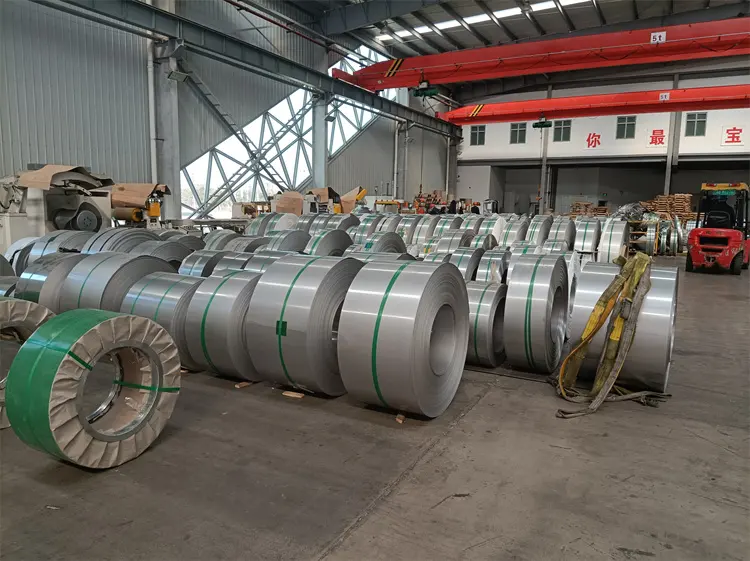
The core of improving magnetic efficiency in electrical steel lies in the deliberate manipulation of its microstructure, which governs how magnetic domains align and move under alternating fields. By carefully controlling grain orientation, typically aiming for a Goss texture where grains align along the rolling direction, engineers reduce magnetic anisotropy and energy losses. This precise arrangement allows for easier magnetization, directly boosting efficiency in applications like transformers and motors by minimizing hysteresis and eddy current losses.
Beyond just grain alignment, microstructural design delves into refining grain boundaries and impurity management. Techniques such as adding silicon or aluminum alter the steel's electrical resistivity, curbing eddy currents without sacrificing magnetic permeability. The result is a steel that not only performs better under high-frequency operations but also exhibits reduced core loss, making it indispensable for modern energy-efficient devices where every watt saved counts.
Innovations in heat treatment and cold rolling further enhance this microstructure, creating thinner, more uniform laminations that cut down on eddy current paths. This evolution from conventional to high-permeability grades showcases how tailored microstructures can push the boundaries of magnetic efficiency, offering quieter, cooler-running electrical systems that meet stringent global energy standards.
Core Loss Reduction Strategies for High-Performance Motors and Transformers
In the realm of high-performance motors and transformers, minimizing core loss is crucial for enhancing efficiency and longevity. Unlike basic energy-saving tips, cutting-edge approaches often focus on material innovations, such as using amorphous or nanocrystalline alloys that inherently exhibit lower hysteresis and eddy current losses. These advanced materials allow for thinner laminations and better magnetic properties, directly tackling the root causes of core dissipation in demanding applications.
Design tweaks can make a substantial difference too. For instance, engineers might implement segmented or stepped core structures to reduce flux density variations, thereby curbing eddy currents without compromising performance. Coupled with precision manufacturing techniques that ensure tight stacking and minimal air gaps, these strategies help motors and transformers operate more quietly and with less heat generation, leading to improved reliability in industrial settings.
Beyond materials and design, operational adjustments play a key role. Employing variable frequency drives or optimized control algorithms can dynamically adjust the magnetic flux to match load conditions, effectively reducing core losses during partial-load operation. This holistic approach ensures that high-performance systems not only meet efficiency standards but also adapt to real-world usage, setting them apart from conventional models in terms of both energy savings and operational flexibility.
Manufacturing Techniques for Optimized Grain Structure and Magnetic Properties
Tailoring grain structure through advanced processes like hot rolling and annealing allows engineers to precisely control magnetic anisotropy and permeability. By carefully managing cooling rates and deformation parameters, manufacturers can achieve uniform grain boundaries that suppress eddy current losses while enhancing coercivity. This approach transforms raw materials into high-performance magnets with predictable behaviors under varying operational stresses.
Innovative methods such as spark plasma sintering and additive manufacturing offer unprecedented control over microstructural evolution. These techniques enable layer-by-layer construction of materials with optimized crystallographic orientation, reducing grain boundary defects that traditionally weaken magnetic saturation. The result is components that maintain stability in extreme environments, from aerospace applications to high-frequency electronics.
Beyond conventional approaches, emerging strategies integrate in-situ monitoring with adaptive process controls. Real-time adjustments during fabrication allow for dynamic refinement of grain size distribution, directly correlating to improved remanence and reduced hysteresis. This synergy between manufacturing precision and magnetic performance opens new frontiers in designing materials that outperform standard specifications without compromising structural integrity.
Performance Comparison: Traditional vs. Advanced Non-Oriented Steel Grades
Non-oriented steel grades have long been essential in electrical applications, but the shift from traditional to advanced variants reveals stark differences in efficiency and cost-effectiveness. Traditional grades, often based on standard silicon steel compositions, provide reliable magnetic properties at lower production costs, making them suitable for many general-purpose motors and transformers. However, they tend to exhibit higher core losses and lower permeability under varying conditions, which can lead to energy inefficiencies over time. In contrast, advanced non-oriented steels incorporate optimized alloying elements and refined processing techniques, such as controlled grain orientation and precise annealing, to minimize hysteresis and eddy current losses. These improvements not only enhance magnetic performance but also extend the lifespan of electrical devices, offering a compelling upgrade for demanding industrial applications.
One key distinction lies in the thermal stability and mechanical strength offered by advanced grades. Traditional steels may suffer from magnetic degradation at elevated temperatures or under mechanical stress, potentially compromising performance in harsh environments. Advanced variants, on the other hand, are engineered with additives like aluminum or phosphorus to bolster thermal resilience and reduce aging effects, ensuring consistent operation across a wider temperature range. This makes them particularly valuable in high-power transformers and electric vehicles, where reliability under fluctuating loads is critical. Additionally, advanced grades often feature superior surface coatings that protect against corrosion, a common issue in humid or corrosive settings, further setting them apart from their traditional counterparts.
From an economic perspective, the initial higher cost of advanced non-oriented steel grades is often offset by long-term savings through reduced energy consumption and maintenance needs. While traditional grades remain a cost-effective choice for low-to-medium frequency applications, the growing emphasis on sustainability and efficiency in industries like renewable energy and automotive manufacturing is driving adoption of advanced options. Innovations in manufacturing, such as thin-gauge rolling and laser processing, have also made these grades more accessible, allowing for thinner laminations and lighter components without sacrificing performance. As a result, the performance gap between traditional and advanced non-oriented steels continues to widen, with advanced grades poised to dominate in next-generation electrical systems.
Applications and Industry Adoption Trends in Renewable Energy Systems
From remote villages powered by solar panels to bustling cities integrating wind turbines into their skylines, renewable energy systems are transforming how we generate and consume power. Applications extend far beyond electricity production, with innovations like green hydrogen for industrial processes or geothermal heat pumps for residential heating. As costs drop, these technologies are no longer niche solutions but mainstream options, driven by the urgent need to combat climate change and enhance energy independence in a volatile global market.
Industry adoption is accelerating, propelled by supportive policies and corporate commitments to sustainability. In the transport sector, electric vehicles charge on grid-tied renewable networks, while agriculture benefits from solar irrigation systems that reduce reliance on fossil fuels. Trends show a shift toward hybrid systems, combining solar, wind, and storage to ensure reliability, with smart grids enabling efficient management. This rapid uptake reflects a broader move toward decentralized energy models, empowering communities and reducing transmission losses.
Looking ahead, adoption trends point to increased integration with digital technologies like AI for predictive maintenance and IoT for real-time monitoring. Sectors such as manufacturing and data centers are increasingly investing in onsite renewables to cut costs and meet environmental targets. As industries innovate, the focus is on scalability and resilience, creating a dynamic landscape where renewable energy systems drive economic growth while addressing ecological challenges head-on.
FAQ
Non-oriented electrical steel is a type of electrical steel with no preferential direction of magnetic properties, making it ideal for applications like motors and transformers where magnetic fields change direction frequently, enhancing energy efficiency by reducing core losses.
Non-oriented electrical steel typically contains silicon and other alloys in a more uniform, isotropic structure, unlike grain-oriented steel which has aligned grains for directional efficiency. This isotropic nature allows it to perform well in varied magnetic orientations, crucial for devices with rotating or alternating fields.
Key processes include melting and alloying to control silicon content, hot and cold rolling to reduce thickness, annealing to relieve stresses and improve magnetic permeability, and coating applications to minimize eddy current losses and enhance insulation.
Core loss, comprising hysteresis and eddy current losses, directly impacts efficiency by converting magnetic energy into heat in devices. In non-oriented steel, optimized grain structure and alloy composition help minimize these losses, leading to higher efficiency in motors and transformers by reducing energy waste.
Recent advancements include development of high-silicon grades for lower losses, improved coating technologies for better corrosion resistance and insulation, and fine-tuning of processing techniques to enhance magnetic saturation and reduce thickness without compromising strength.
Stringent energy efficiency regulations, such as those in the automotive sector for electric vehicles and in power generation for grid stability, drive demand for high-performance non-oriented steel to meet lower loss requirements, promoting adoption in efficient motor designs and transformer cores.
Challenges include separating coatings and alloys during recycling, which can complicate material recovery. Solutions involve developing easier-to-remove coatings and promoting closed-loop recycling systems to reduce environmental impact and conserve resources, supported by industry initiatives for sustainable practices.
Conclusion
Anchoring the development of efficient motors and transformers, non-oriented electrical steel is fundamentally reshaping modern energy conversion. Its indispensable role extends from industrial machinery to the pulsating heart of renewable energy systems, enabling the seamless transformation of electrical energy into mechanical work and vice versa. By adopting advanced steel grades, manufacturers achieve superior magnetic efficiency and performance, moving beyond traditional limitations to meet the rigorous demands of today's high-performance applications. This material's evolution is not just a technical upgrade but a critical enabler of global energy sustainability, driving the transition towards greener technologies and more reliable power infrastructures.
The enhanced efficacy of non-oriented electrical steel stems from deliberate microstructure design and innovative manufacturing techniques that optimize grain structure. Through tailored core loss reduction strategies, these steels minimize energy waste as heat, directly boosting the operational efficiency of motors and transformers. As industry adoption trends accelerate, particularly in renewable energy systems, the competitive edge offered by advanced grades becomes clear. Their ability to deliver consistent magnetic properties under varying conditions makes them a cornerstone for future innovations, ensuring that energy conversion processes are not only more efficient but also more adaptable to the dynamic needs of emerging technologies and environmental goals.
Contact Us
Contact Person: Zoe Liang
Email: [email protected]
Tel/WhatsApp: 86 189 2128 6299
Website: https://www.baowuchina.com