

Moss Decorative Which One Is Good for Your Space
2026-11-03
Choosing moss decor shouldn’t be a guessing game. Some spaces need a lush preserved moss wall, others thrive with a subtle framed piece or a sculptural accent. In this guide, we’ll walk through what actually matters—light, moisture, maintenance, and your room’s personality—so you can pick the right moss decoration without second-guessing. Along the way, you’ll see why PHLEEYA has become a go-to for moss pieces that feel alive, not artificial.
Moss Varieties That Stay Vibrant in Humid Bathrooms
Not all mosses are cut out for the constant steam and dim corners of a bathroom, but a handful actually lean into those conditions. Java moss and Christmas moss—often sold as aquarium plants—thrive emersed when humidity stays above 80%, making them ideal for a ledge near the shower. Their fine, feathery fronds stay deep green without needing bright light, and they don't sulk if the air gets heavy with moisture.
If you want something with a bit more structure, cushion moss (Leucobryum glaucum) is a standout. This one forms dense, rounded hummocks that hold their shape even in wet air, and it tolerates the low, indirect light common in bathrooms. A light misting once or twice a week is usually all it takes—overwatering will turn it brown faster than neglect.
Mood moss and sheet moss round out the list for spots that catch a little more airflow, like a windowsill above the tub. They prefer bright, filtered light but won't crisp up in steamy conditions. Whatever you choose, keep the moss out of standing water and give it a gentle rinse now and then to wash away soap residue. With the right pick, a bathroom can become a lush, low-maintenance micro-garden.
Preserved Moss Options for Windowless Hallways
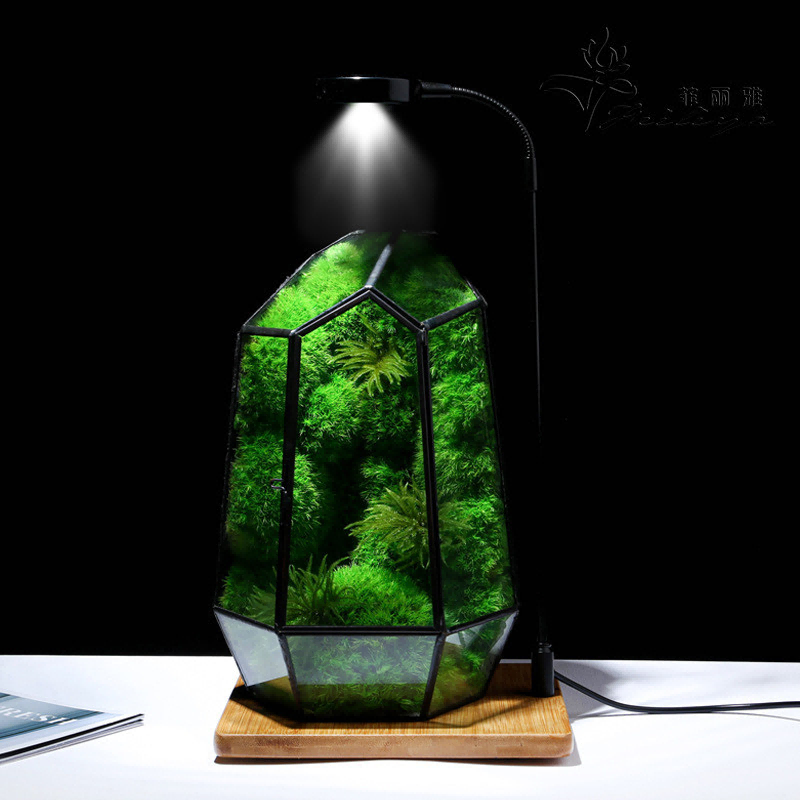
Few hallways feel as neglected as those without windows, but preserved moss turns that dim stretch into something worth pausing in. Reindeer moss is a favorite here because its plump, cushiony texture holds color well and can be arranged in soft gradients or bold geometric panels. Sheet moss, with its flat velvety surface, works nicely for full-wall coverage or as a backing layer that makes other elements pop.
For a more natural, forest-floor look, mood moss and pole moss bring irregular, wavy forms that catch even low artificial light in interesting ways. Clustering them in shadow boxes or narrow vertical strips gives the hallway a quiet, organic rhythm without demanding any sunlight, soil, or watering.
If you want something maintenance-free but visually layered, mixed moss compositions are the way to go. Pairing reindeer moss with ferns, dried grasses, or small pieces of driftwood creates depth and softens sound in echo-prone corridors. Since preserved moss keeps its color for years and only needs an occasional dusting, it’s a practical choice for building managers and homeowners who want greenery where nothing else will grow.
Textured Reindeer Moss Ideas for Accent Walls
Reindeer moss brings a soft, uneven surface that feels almost alive against a flat wall. Instead of covering the entire accent wall, try breaking it into irregular clusters near the base or around a framed mirror—this keeps the texture from overwhelming the room while still drawing the eye.
Pair pale green or preserved natural moss with matte charcoal paint or warm oak trim. The contrast makes the moss read as a deliberate sculptural element rather than decoration. For a bolder look, mix in small patches of burgundy or forest-green moss to create a mottled, landscape-like effect across one section.
If you want the wall to feel less precious, use moss panels cut into asymmetrical shapes and mount them with a slight gap between pieces. The shadows that form in the gaps add depth, and the wall will change subtly as light moves across it during the day.
Sheet Moss Pairings That Soften Sharp Furniture Lines
A low glass coffee table with razor-thin legs feels less severe when a patch of sheet moss sits beside it, the soft green blur breaking the hard horizontal line. The moss doesn’t need to be large—just a small tray or a shallow bowl tucked near the edge does the work, drawing the eye away from the sharp corner and giving the room a quieter, more settled rhythm.
Against a console table with a stark rectangular top, a narrow strip of sheet moss running along the back edge acts like a green seam, pulling the silhouette down toward the floor. It works because the moss has no visible structure—just a dense, velvety surface that absorbs the light instead of reflecting it, so the furniture feels less confrontational without losing its shape.
You can also pair sheet moss with a metal bookshelf that has exposed brackets or angular supports. A small clump placed on a lower shelf or at the base of one leg introduces an irregular, organic contour that softens the machine-cut lines. Over time, the moss may dry slightly and change color, but that only adds to its quiet, unforced presence next to hard materials.
Living Moss Setups for Bright Reading Nooks
Sheet moss tucked into a shallow ceramic tray can handle the steady, filtered light of an east-facing reading nook without turning crispy. I keep a mix of mood moss and cushion moss on a low driftwood base near the window, but not pressed against the glass. A glass cloche helps when the air gets dry in winter, and a tiny LED grow strip on a timer covers cloudy weeks without making the corner feel like a lab.
The base matters more than people expect. Start with a half-inch of rinsed pebbles, then a thin layer of activated charcoal, then damp sphagnum moss. Lay the living moss pieces on top and press gently—no soil needed for most sheet varieties. I mist every other morning with distilled water and let the tray breathe for an hour afterward. If the edges start to brown, it’s usually too much direct sun or not enough air movement.
What makes this work in a reading nook is the quiet contrast: green moss against stacked paperbacks and a warm brass lamp. It doesn’t demand pruning or fertilizing, just a few minutes of attention a week. I’ve found the best spot is on a low stool beside the chair, slightly below eye level, so the texture catches light when you glance up from a page.
Low-Maintenance Moss Panels for Busy Entryways
Preserved moss panels need almost no care—no watering, no sunlight, no pruning. That makes them perfect for entryways where you rush in and out daily. Just mount them on any wall and forget about them; they stay green and soft for years.
Because they don’t rely on living roots, these panels won’t attract pests or drop soil. A quick dust with a dry cloth every few months is all they ask. If your foyer gets low light or dry air, moss panels shrug it off, keeping the space looking calm without adding chores to your routine.
FAQ
Preserved reindeer moss and sheet moss don't need sunlight, so they stay vibrant in dim hallways or bathrooms. Avoid living moss unless you can add a grow light.
Yes, but opt for preserved moss rather than dried, and make sure it's not directly splashed. A sealed frame or elevated placement helps prevent moisture damage.
A low-profile moss frame keeps the surface clean and adds texture without taking up vertical space. A bowl or terrarium is better if you want a sculptural centerpiece that can be moved around.
They are. Kokedama-style moss balls hang or sit in a dish, bringing greenery without needing a large footprint. Just keep them away from radiators and direct sun.
Preserved moss panels or framed moss need zero watering, no soil, and only occasional dusting. They beat living moss for anyone who forgets plant care.
Yes, especially single-color reindeer moss in a slim frame or a simple glass cloche. Stick to one or two moss shades and clean lines so it reads as intentional, not busy.
You can, but limit the palette to two or three textures. Pair fluffy reindeer moss with flat sheet moss, and add a few lichen accents, but avoid overcrowding.
A large preserved moss wall panel behind your desk adds a soft, sound-absorbing touch. Choose muted greens or mix in dried ferns for depth without distracting from video calls.
Conclusion
Choosing the right moss for your space comes down to how much light, moisture, and traffic the area receives. In humid bathrooms, go for moss varieties that hold their color even when steam builds up—think rich green sheets that thrive on moisture rather than fighting it. For windowless hallways where natural light is scarce, preserved moss is the smarter pick; it requires no sunlight or watering and keeps its soft look for years. If you want a bold statement, textured reindeer moss works beautifully on accent walls, adding a sculptural, almost cloud-like surface that draws the eye without overwhelming the room.
Beyond walls and wet zones, moss can also soften furniture and brighten corners. Pair sheet moss with sharp-edged shelves or desks to visually round out hard lines and bring a touch of calm to modern pieces. A bright reading nook with steady indirect light can support a small living moss setup, giving the space a fresh, alive feeling while you read. And for busy entryways, low-maintenance moss panels are ideal—they handle daily comings and goings without needing constant care, so you get the green accent without the chore. Mix and match these options based on each room's specific conditions, and you'll find a moss style that fits naturally rather than feeling like a forced decorating choice.
Contact Us
Contact Person: Mr. Luo
Email: [email protected]
Tel/WhatsApp: 86 18100895505
Website: https://www.feiliyaflowers.com/en/