

Library RFID Manufacturing Concerns: Key Issues and Solutions
2026-05-25
In the modern library, RFID technology is no longer a luxury—it’s a necessity. But behind every seamless self-checkout and precise inventory scan lies a manufacturing process that can make or break your investment. From fragile tags that delaminate under heavy use to inconsistent read ranges that frustrate patrons, hidden flaws in RFID production often go unnoticed until they cause real headaches. As you consider upgrading your library’s system, it pays to understand where things can go wrong—and how to avoid them. At OSRFID, we’ve tackled these challenges head-on, delivering solutions built on rigorous quality control and real-world testing. Let’s dive into the most pressing manufacturing concerns and the strategies that keep your library running smoothly.
Material Matters: Balancing Durability and Cost in RFID Tag Production
Selecting the right substrate and antenna materials directly shapes how an RFID tag performs in the field—and how much it costs to produce. A simple paper-based tag might cost pennies and work fine for a retail hangtag, but expose it to moisture or rough handling and it quickly fails. For logistics or industrial environments, manufacturers often turn to PET or polyimide films paired with etched aluminum or copper antennas. These combinations resist tearing, humidity, and temperature swings, yet the price per tag can jump by an order of magnitude. The real balancing act comes from defining the minimum acceptable lifespan: if a tag only needs to survive a few weeks on a low-value item, overengineering with rugged materials wastes budget.
Beyond the obvious trade-offs, there’s a middle ground that many specifiers overlook. Hybrid constructions—such as a flexible PET inlay sandwiched between low-cost paper facestocks—provide decent durability without the premium of all-synthetic tags. Similarly, printed conductive inks have improved enough to handle moderate flexing and moisture, allowing antennas to be applied via roll-to-roll processes that slash material waste compared to traditional etching. This approach works especially well in apparel and asset tracking where tags face occasional stress but not constant harsh exposure. The key is matching the material stack-up to the real-world stress profile rather than defaulting to the cheapest or toughest option.
Finally, don’t underestimate the role of adhesives and encapsulation. Many tag failures labeled as “material weakness” are actually adhesion breakdown between layers. A rugged inlay is useless if the adhesive softens in heat or loses tack on low-energy surfaces. Today, specialized acrylic and silicone-based adhesives can bridge the gap, letting designers use more economical face materials while still meeting strict durability requirements. Coupled with thin conformal coatings instead of bulky over-laminates, it’s possible to shave unit costs without sacrificing real-world performance. This systems-level thinking—seeing the tag not just as a chip and antenna but as a composite of interacting materials—is what separates truly optimized tags from the rest.
The Data Security Tightrope: Protecting Patron Privacy in RFID Systems
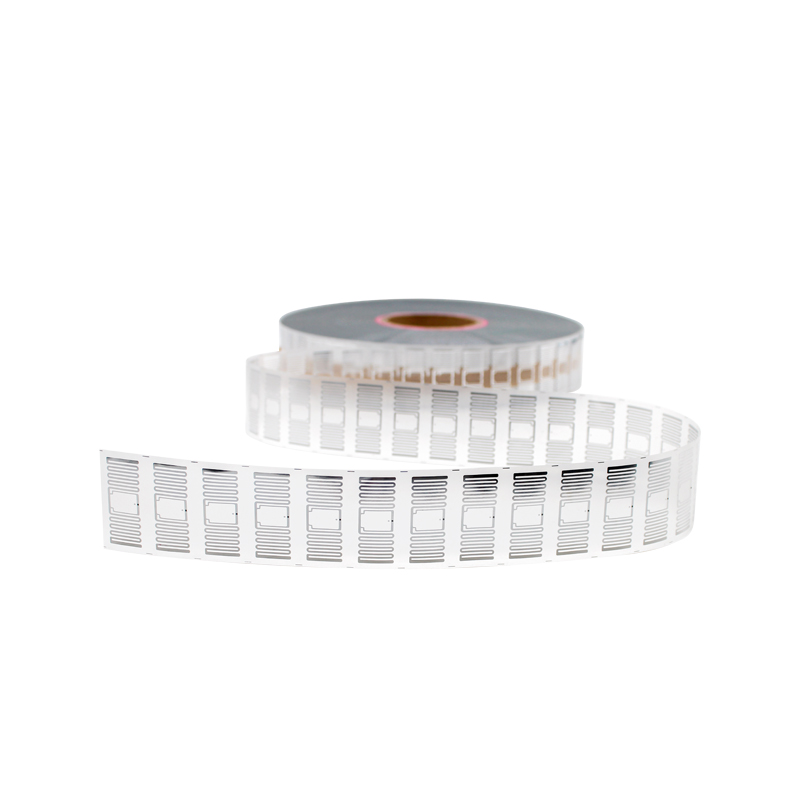
Libraries have long stood as guardians of intellectual freedom, but the adoption of RFID technology introduces a precarious balancing act between operational efficiency and patron confidentiality. The very features that make RFID attractive—rapid inventory checks, self-checkout, and seamless material tracking—also create potential vectors for unauthorized surveillance. Each tag embedded in a book or media item emits a unique identifier that, if intercepted, could be associated with a patron's borrowing history, reading preferences, or even their physical movements within the library. This transforms the innocuous act of browsing into a digital trail that, without rigorous safeguards, might be exploited by third parties or through security breaches.
The core of the challenge lies in the inherent tension between data collection and anonymity. RFID systems, when linked to integrated library systems, can generate granular logs of item movements and patron interactions. While such data can improve collection management and user experience, it also raises the specter of function creep—where information gathered for one purpose is repurposed in ways that erode privacy. A patron's check-out record, combined with RFID gate data, could reveal not just what they read but when and for how long they accessed certain materials. Protecting against these risks demands a multi-layered approach: encryption of tag data, regular rotation of identifiers, and strict policies that mandate data minimization and prompt purging of circulation records once materials are returned.
Practical measures must extend beyond technology to encompass staff training and transparent communication with patrons. Libraries should implement privacy-by-design principles, conducting regular audits and employing readers that operate only within controlled zones to prevent remote skimming. Additionally, patrons need clear, accessible information about what data is collected, how it is used, and their rights to opt out or request deletion. Striking the right balance on this tightrope requires constant vigilance—recognizing that the true measure of a library's success lies not only in the efficiency of its systems but in its unwavering commitment to preserving the trust and privacy of the communities it serves.
Interoperability Woes: Ensuring Your RFID System Plays Nice with Others
Ask any seasoned logistics manager about their biggest RFID headache, and you'll likely hear tales of reader A refusing to talk to tag B, or middleware that chokes on data from a perfectly good antenna. The root cause? A startling lack of universal standards—or rather, too many of them. GS1’s EPCglobal and ISO 18000-series protocols are supposed to be the peacekeepers, but in practice, vendors interpret these specs with creative liberty, leaving you with a jumble of frequencies, air interfaces, and encoding schemes that barely tolerate each other. It’s the supply chain equivalent of trying to have a conference call where everyone speaks a slightly different dialect.
Then there’s the physical layer: a UHF tag that sings beautifully in a controlled warehouse might fall silent when confronted with metal racking or liquid-filled containers. Pair that with mixed-vendor readers that each demand their own proprietary tuning, and suddenly your seamless inventory vision dissolves into a patchwork of dead zones and ghost reads. The fix often lies in rigorous site surveys and dynamic power adjustment, but that’s only half the battle. The real challenge is coaxing data from multiple sources into a unified format that your ERP or WMS can actually digest without spewing error logs.
Savvy integrators now lean on middleware platforms that act as polyglot interpreters, normalizing everything from raw tag reads to business events. It’s not magic—just careful mapping and the occasional custom adapter. The takeaway? Interoperability isn’t a feature you bolt on at the end; it’s a mandate that shapes hardware selection, software architecture, and even facility layout. Assume nothing, test with the exact tag/reader combinations you’ll deploy, and never trust a spec sheet that claims “fully compliant.” Your sanity will thank you later.
Weathering the Storm: Environmental Challenges for Library RFID Tags
Libraries, often seen as quiet sanctuaries, are not immune to the whims of nature. For RFID tags affixed to books and media, environmental factors like humidity, temperature swings, and even dust can pose silent but steady threats. Moisture seeping into a tag's delicate circuitry can cause erratic reads or total failure, while extreme heat might warp the adhesive or the tag itself, leading to peeling from book covers. In regions prone to storms or floods, the risk escalates: a single waterlogged collection can mean hundreds of tags needing inspection, and the metallic components in RFID structures are particularly susceptible to corrosion when exposed to damp, salty air near coastlines or in poorly ventilated storage areas.
Physical stress from the environment goes hand in hand with chemical degradation. Prolonged exposure to ultraviolet light, common in spaces with large windows, can make the polymer layers in tags brittle over time. Coupled with repeated flexing from shelving or handling, this can lead to micro-cracks that degrade antenna performance. Libraries in urban settings face additional challenges—airborne pollutants and microscopic particulates can settle on tags, creating a barrier that interferes with radio frequency signals. Over years, even the static electricity generated by certain synthetic book covers during dry winters can damage the chip, causing intermittent failures that frustrate both staff and patrons trying to use self-checkout systems.
To truly weather the storm, many institutions are rethinking how they protect these tiny devices. Some have started using encapsulation techniques or applying extra-thin protective coatings to tags before attachment, while others are investing in climate-controlled storage for rare materials that still require RFID tracking. A growing conversation among librarians and conservators emphasizes the need for real-world testing of tag durability in different environments, rather than relying solely on manufacturer specs that seldom account for decades of use inside a bustling, imperfectly controlled library. By acknowledging that a tag’s longevity is directly tied to local environmental conditions, libraries can make smarter procurement and maintenance decisions—keeping their collections discoverable even when the weather outside is anything but ideal.
Customization Conundrums: Tailoring RFID Solutions for Unique Library Needs
Libraries come in all shapes and sizes, each with workflows that rarely fit a standard mold. An RFID system that hums along perfectly in a busy urban branch might stumble in a historic reading room with odd shelving layouts or a mobile library that shifts locations weekly. The real challenge isn't just the physical space—it's the quiet exceptions: fragile rare books that can't handle a standard tag, multimedia kits with a tangle of discs and booklets, or a checkout process that feels foreign to patrons accustomed to handwritten cards.
Getting it right demands more than technical tweaks. It calls for close observation of how staff and visitors actually move through the space, and a willingness to discard features the vendor insists are essential but only complicate daily operations. Some libraries find they need readers mounted at unconventional heights to avoid glare from century-old windows; others require batch-processing carts that can handle mismatched item sets without endless error alerts. When off-the-shelf solutions start to creak under these idiosyncrasies, thoughtful customization isn't a luxury—it's the linchpin of a system people will actually use.
The conundrum is knowing where to stop. Over-engineer a setup and you risk maintenance headaches; under-adapt and you're left with Bluetooth dead zones and staff who silently revert to manual methods. The most successful projects often emerge from a back-and-forth dialogue where librarians articulate the quirks no manual could predict, and integrators listen hard enough to build something that feels effortless. It's less about installing hardware and more about stitching technology into the library's own rhythm—all without turning a quiet sanctuary into a troubleshooting zone.
Future-Proofing Your Investment: Scalability and Upgradability in RFID Manufacturing
In a landscape where technology evolves at breakneck speed, locking your operations into a rigid RFID system can quietly drain resources. The real value lies in choosing a manufacturing partner that builds adaptability into the core of their hardware and software—allowing your infrastructure to grow without requiring a full overhaul. This means modular reader designs, field-upgradable firmware, and antenna systems engineered to support shifting tag populations or new frequency bands. When your production line needs to double its throughput or suddenly handle a completely new form factor, a scalable architecture ensures you’re not starting from scratch.
Beyond the physical components, true upgradability extends into the data layer. A well-designed RFID deployment separates the capture of information from how it’s used, so you can bolt on analytics, integrate with emerging IoT platforms, or adopt next-generation protocols without re-engineering the entire site. Look for manufacturers that openly document their APIs and offer compatibility with multiple middleware solutions, rather than boxing you into a proprietary ecosystem. This approach keeps your investment relevant as standards mature and your own operational insights deepen.
Perhaps most critically, future-proofing isn’t just a technical checkbox—it’s a support philosophy. The best partners maintain long-term firmware roadmaps, provide migration paths for legacy equipment, and share knowledge that helps your team stay ahead of industry shifts. They treat your initial purchase as the start of a dialogue, not a one-off transaction. In practice, that can mean anything from remote tuning capabilities that improve read rates over time to phased hardware swaps that spread costs across budget cycles while maintaining uninterrupted service.
FAQ
Libraries should utilize strong encryption protocols for data stored on tags and transmitted between readers and backend systems. Implementing role-based access controls and regular security audits helps prevent unauthorized access. Additionally, using only the library's internal identifier on the tag rather than personal borrower information minimizes risk if the tag is read externally.
Tag durability hinges on the materials used in manufacturing, such as rugged inlays and protective laminates that withstand frequent handling, bending, and spine stress. Environmental factors like temperature, humidity, and exposure to cleaning agents also play a role. Proper in-book placement and adhesive selection further prevent premature failure.
Interoperability issues arise from varying RFID standards and proprietary protocols used by different manufacturers. Without compliance to international standards such as ISO 15693 and 18000-3, libraries risk vendor lock-in, where systems cannot easily communicate or swap components, leading to higher long-term costs and integration headaches.
Many libraries adopt a phased rollout, starting with high-circulation collections to spread expenses. They also negotiate volume discounts with manufacturers and explore leasing or subscription models for hardware. The long-term savings in staff time, inventory management, and theft reduction often justify the upfront investment.
RFID tags could be read by unauthorized scanners without patrons' knowledge, potentially tracking books or linking items to individuals. Mitigations include using read-range limitations, shielding tags in cases, and programming tags with temporary or anonymized identifiers that are disconnected from patron records after checkout.
Sourcing can suffer from lead time unpredictability, particularly for custom-sized tags or specialized readers. Global semiconductor shortages and logistical delays can disrupt deliveries. Libraries often work with multiple suppliers and maintain a buffer stock of essential tags to avoid operational downtime.
Manufacturers can offer customizable tag sizes and shapes to fit various media types like DVDs, periodicals, or odd-shaped books. They also provide pre-encoding services to write library-specific data and property security bits, and collaborate with librarians to fine-tune performance for detection gates and self-check stations.
Conclusion
The manufacture of RFID tags for libraries involves a careful balancing act between performance, cost, and longevity. One of the primary challenges is selecting materials that can endure frequent handling and environmental stress without driving up production expenses. Durability is non-negotiable as tags must survive countless circulations, yet budget constraints push manufacturers to innovate with cost-effective substrates and adhesives. At the same time, data security is a persistent concern, as these tags carry patron information that must be shielded from unauthorized scanning. Manufacturers are embedding privacy features like encryption and kill commands, but these add complexity and cost. Additionally, achieving interoperability across different library systems and hardware is crucial; tags must conform to standards like ISO 15693 or ISO 18000-3 to ensure seamless integration, yet variations in implementation often lead to compatibility issues that demand rigorous testing and flexible antenna design.
Beyond these technical hurdles, libraries increasingly demand customizable solutions that fit their unique workflows and branding, from logos on tags to specialized encoding, which forces manufacturers to adapt their production lines without sacrificing efficiency. Environmental factors like moisture, dust, and temperature extremes further test tag resilience, necessitating rugged designs that still meet aesthetic requirements. Looking ahead, future-proofing is key: libraries want RFID systems that can scale with growing collections and evolve with technological shifts, so manufacturers must build in upgradability through modular architectures and over-the-air update capabilities. Addressing these interconnected concerns—material selection, security, interoperability, environmental resilience, customization, and scalability—requires a holistic approach. Successful manufacturers blend innovation with practicality, ensuring that library RFID tags are not only robust and secure but also adaptable to the ever-changing landscape of information management.
Contact Us
Contact Person: Esme Mo
Email: [email protected]
Tel/WhatsApp: 0086 191 2931 7837
Website: https://www.osrfidglobal.com/