

IBC Tank Exporter Essentials: Streamlining Global Bulk Liquid Logistics
2026-05-29
In today's interconnected trade landscape, moving bulk liquids across borders demands more than just sturdy containers—it requires smart logistics. IBC tanks have become the silent workhorses of global supply chains, yet many exporters still grapple with hidden complexities. Enter DYE, redefining efficiency with solutions that turn logistical headaches into seamless operations. What if your next shipment could bypass the usual bottlenecks? Read on to uncover the essentials that are reshaping international liquid transport.
Choosing the Right IBC for Your Liquid Cargo
When it comes to transporting or storing liquid cargo, the intermediate bulk container (IBC) you select can make or break efficiency. The first step is to thoroughly evaluate the nature of your liquid—whether it’s a corrosive chemical, a flammable solvent, or even a food-grade product like syrup. Each substance demands specific materials: stainless steel excels for aggressive chemicals, while high-density polyethylene (HDPE) is a cost-effective choice for many non-hazardous fluids. Overlooking compatibility can lead to container degradation, contamination, or dangerous leaks, so it’s critical to match the IBC’s construction to the liquid’s properties from day one.
Beyond material compatibility, consider the operational demands of your supply chain. How will the IBC be moved—by forklift, pallet jack, or crane? Does it need to be stackable to save warehouse space, and if so, what are the weight limits? UN/DOT certifications are legally required for hazardous shipments, but even non-hazmat loads may benefit from features like bottom discharge valves or integrated level indicators that streamline dispensing. Don’t forget about reusability versus single-use: a collapsible, returnable IBC can slash long-term costs and waste for closed-loop systems, while a disposable one might be simpler for one-way shipments.
Finally, think about the total cost of ownership, not just the upfront price. A durable IBC with replaceable liners or easy-clean surfaces can pay for itself quickly by reducing labor and preventing product loss. Work with a supplier who understands the nuances of your industry—they can often recommend accessories like heating jackets for temperature-sensitive liquids or anti-static designs for flammable environments. Taking a holistic view of your liquid, logistics, and lifecycle requirements ensures that the IBC you choose doesn’t just hold your cargo, but actively protects its integrity from filling to final discharge.
Making Sense of Cross-Border Bulk Liquid Rules
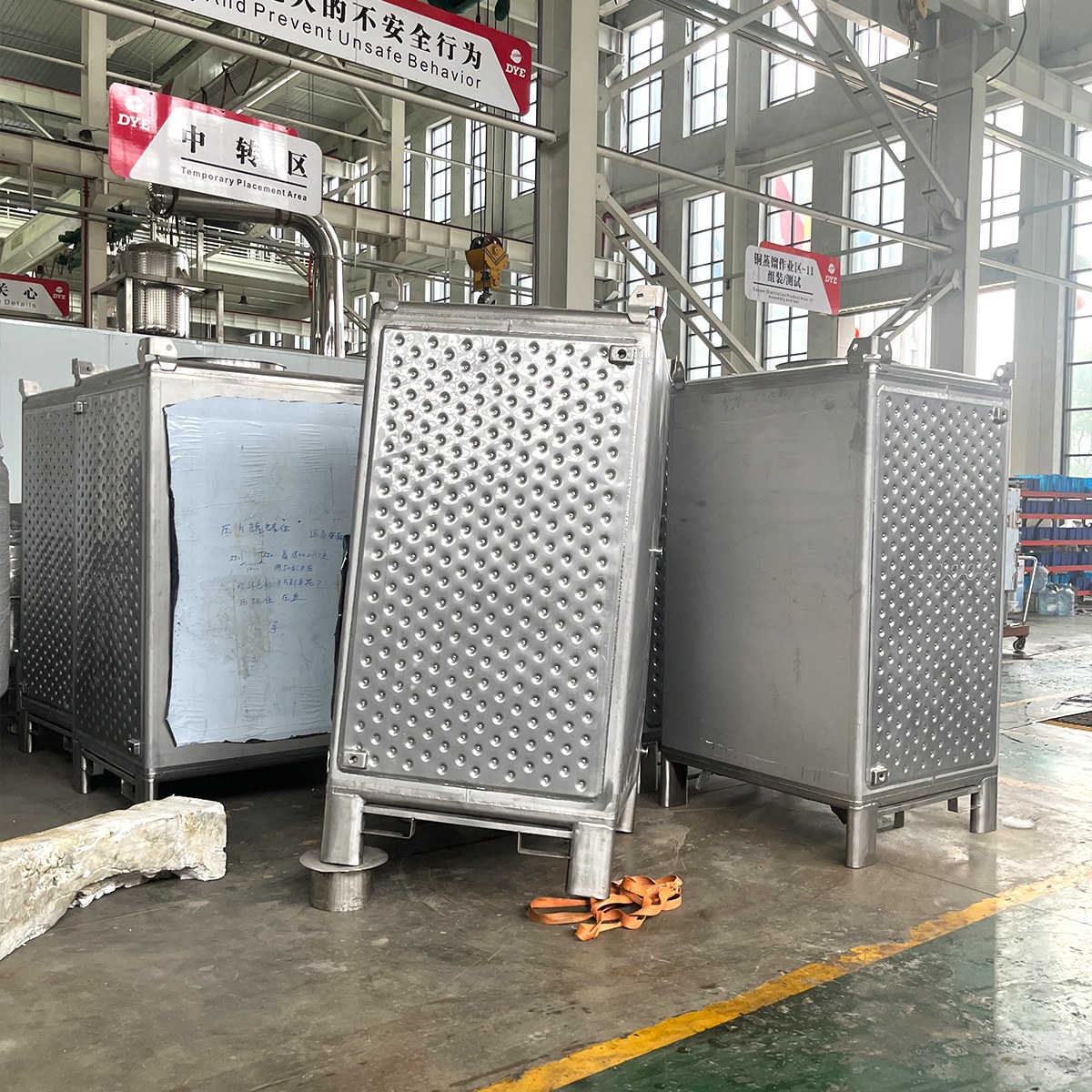
Navigating the regulatory landscape for moving large volumes of liquid across borders can feel like deciphering a puzzle where the pieces keep changing shape. Every shipment involves a tangle of national standards, safety protocols, and environmental mandates that rarely align neatly. You’re balancing the physical nature of the cargo—whether it’s corrosive chemicals, edible oils, or raw petroleum—against a patchwork of documentation that differs from one jurisdiction to the next. The real challenge isn’t just knowing a rule exists; it’s understanding how customs authorities interpret vague phrasing, or why a certificate accepted last month suddenly triggers a hold today. Seasoned logistics teams often learn these nuances the hard way, through delays that eat into margins.
Beneath the surface, the tension between harmonized international codes and fiercely guarded local exceptions creates persistent friction. Organizations like the IMO push for unified maritime standards, but inland authorities frequently layer on extra requirements—additional testing, specific labeling, or unique paperwork that seems redundant until you realize it’s tied to a domestic liability law. For instance, a tank container cleared at Rotterdam might still face scrutiny at a German rail hub simply because the accompanying hazard summary isn’t formatted to regional expectations. This isn’t bureaucratic pettiness; it often stems from past incidents that reshaped public risk tolerance. Successful shippers learn to map these idiosyncrasies, maintaining a living knowledge base that treats each trade lane as its own ecosystem with unwritten rules passed between experienced forwarders.
Staying ahead means building flexibility into your compliance strategy rather than chasing every update reactively. Forward-thinking companies invest in a mix of technology and human judgment: sensors that monitor liquid conditions in real time, coupled with local advisors who can interpret regulatory intent, not just the text. The goal is to anticipate friction points—like seasonal port congestion that triggers emergency environmental waivers—and adjust documentation or routing before problems cascade. It’s a constant recalibration where a well-timed conversation with a terminal operator can prove more valuable than a warehouse full of manuals. Ultimately, making sense of these rules is less about mastering a fixed set of laws and more about cultivating the agility to operate comfortably within ambiguity.
Cutting Logistics Costs Without Compromising Quality
Trimming logistics expenses often triggers fears of delayed shipments or damaged goods, but thoughtful changes can actually improve service reliability. One practical move is to renegotiate carrier contracts based on shipping volume rather than sticking to standard rates. By consolidating orders and optimizing delivery routes, you not only reduce per-unit costs but also lower the carbon footprint—a win that resonates with eco-conscious customers. Pair this with lightweight, right-sized packaging that slashes dimensional weight charges, and you maintain protection while spending less on every mile traveled.
Another area often overlooked is warehouse layout. Reorganizing inventory so fast-moving items sit closest to packing stations can shave hours off fulfilment time, which means fewer rush orders and lower last-minute delivery premiums. Automation doesn’t have to mean massive investment; simple barcode systems or pick-to-light setups reduce human error and returns, protecting your brand’s reputation. When every second counts, training staff to spot process bottlenecks ensures that cost-cutting measures never lead to careless handling or missed quality checks.
Finally, tap into data to uncover hidden waste. Analyzing return reasons might reveal that a particular product line suffers from poor packaging, prompting a redesign that costs less in the long run than repeated refunds. Collaborating with suppliers on inbound freight can streamline deliveries and avoid rush fees. By viewing logistics as an interconnected system rather than isolated expenses, you can chip away at costs while the customer experience remains frictionless—and often, even better than before.
Safeguarding Hazardous Shipments from Start to Finish
Protecting high-value or sensitive cargo begins long before the truck engine starts. We map out every handoff, every checkpoint, and every potential weak link in the supply chain. This isn’t about generic protocols—it’s about tailoring a shield that fits the specific journey, from the warehouse floor to the final mile. Our team embeds themselves in your logistics planning, identifying risks that off-the-shelf solutions miss, so the shipment never becomes a target.
Once the wheels are rolling, oversight doesn’t blink. Advanced telematics and real-time monitoring create a digital escort, but the human element is what makes it bulletproof. Dispatchers with years of hazmat or high-security experience read between the data points, catching anomalies before they spiral. Temperature fluctuations, unscheduled stops, route deviations—they’re all caught and escalated within seconds, not hours. It’s the difference between a log entry and a prevented disaster.
Arrival at the destination isn’t the finish line; it’s the final test. We coordinate unloading with local security protocols, verifying credentials and inventory down to the seal numbers. Chain-of-custody documentation is completed with precision that leaves no room for dispute or doubt. By treating every delivery as a fresh start, we ensure the integrity of your goods is intact from the moment they leave your hands until they’re safely in the right ones.
Keeping an Eye on Your Cargo in Real Time
Modern logistics runs on minutes, not days. When a shipment leaves the warehouse, every pause, detour, or delay ripples downstream, tying up capital and straining customer trust. Real-time tracking changes that equation—shifting you from reactive guesswork to proactive control. Instead of refreshing spreadsheets or waiting for a once-a-day status email, you watch your cargo move on a live map, seeing its speed, route deviations, and precise location as they happen. This isn’t just about “knowing where it is”; it’s about being able to act while there’s still time to adjust delivery schedules, reroute around a storm, or notify a customer before they ever think to ask.
The technology behind this visibility has quietly matured beyond expensive, niche hardware. Small, multi-network trackers now attach to pallets or containers in seconds and report via cellular, satellite, and even mesh networks, so a signal isn’t lost in a steel ship hold or a remote rail yard. Sensors capture not just location but temperature, shock, tilt, and humidity—variables that determine whether pharmaceuticals stay potent or electronics arrive without hidden damage. That sensor data feeds into platforms that overlay weather, port congestion, and local regulations, turning a stream of coordinates into a narrative you can use. You might get an alert when a refrigerated container drifts above 4°C for more than ten minutes, or when a truck is idling at an unauthorized stop—insights that let you intervene before a small snag becomes a claim.
Yet the real edge isn’t the gadget or the dashboard; it’s how teams use the information. When planners, dispatchers, and customer success reps share a single, real-time view, the whole conversation changes. Pre-shipment risk assessments become dynamic: if a lane consistently shows border delays on Fridays, you shift to Thursday pickups. Inventory buffers shrink because you trust the replenishment signal. And when a client calls, the same map they see on their phone is on your screen too—so you troubleshoot together instead of deflecting with “we’ll check and get back to you.” Real-time tracking becomes a shared language, turning the supply chain from a black box into a transparent process where everyone can spot opportunity as easily as risk.
Why Reusable IBCs Make Environmental and Business Sense
Single-use containers create a continuous cycle of waste and procurement that quietly drains both budgets and ecological margins. Reusable intermediate bulk containers flip that script by staying in rotation for years, dramatically cutting the demand for raw materials and the energy required to produce, ship, and dispose of one-trip packaging. The result is fewer skids headed to landfills and a leaner, more predictable supply chain that sidesteps the volatility of virgin material pricing.
From a purely operational standpoint, reusable IBCs often pay for themselves faster than most projections account for. They reduce per-shipment packaging costs once the fleet is in motion, and they typically require less handling—fewer truckloads to manage, less floor space dedicated to empty container storage, and significantly lower labor needed to break down and replace discarded drums or totes. That efficiency ripples into tighter production schedules and fewer interruptions on the line.
Long-term reliability is another quiet advantage that goes beyond green metrics. These containers are built to withstand repeated washdowns and rough transit, which translates to far fewer product losses from leaks, contamination, or structural failure. By embedding reuse directly into their process, companies anchor a circular practice that regulators, retailers, and end customers increasingly look for—without having to rebrand or redesign their core product. It’s a practical convergence of resource stewardship and operational discipline that simply makes more sense as the true costs of single-use infrastructure become impossible to ignore.
FAQ
An intermediate bulk container (IBC) is a reusable industrial vessel designed to transport and store large volumes of liquids, often holding between 275 and 330 gallons. Its rigid frame and integrated pallet base make it stackable and easy to handle with standard forklifts, cutting down on manual labor. Compared to drums, one IBC tank replaces multiple smaller containers, reducing handling time and the risk of leaks. The built-in valve and discharge system allow for precise pouring, which is especially valuable when dealing with high-value or hazardous chemicals.
IBC tanks simplify cross-border liquid shipments by creating a closed-loop system that minimizes product loss and contamination. They arrive ready to fill, eliminating the need for customers to invest in or maintain their own container fleets. The standardized footprints mean they slot neatly into shipping containers, maximizing space utilization. This predictability allows freight forwarders to plan loads more accurately, often trimming days off transit times. For exporters, fewer touchpoints translate into less paperwork and lower insurance costs.
A broad spectrum moves in IBC tanks—food-grade liquids like edible oils, syrups, and juice concentrates are common, as are industrial chemicals such as lubricants, resins, and detergents. Pharmaceutical intermediates and cosmetic bases also ship this way because the stainless steel or plastic liners prevent cross-contamination. Even some hazardous materials are certified for IBC transport when the unit meets UN packaging codes. The critical factor is compatibility between the liquid and the tank’s construction material, which an experienced exporter can verify.
Beyond price, a reliable exporter invests in tank quality—look for units with robust galvanized cages, food-grade certifications, and traceable repair histories. Logistics prowess matters just as much: the exporter should have a clear understanding of international shipping regulations, including customs documentation and dangerous goods protocols. A responsive support team that offers tracking and contingency planning can prevent costly delays. Ask about their cleaning and recertification procedures, as subpar reconditioning leads to contamination claims that hurt your brand abroad.
Yes, several layers of regulation apply. IBC tanks themselves must comply with UN performance standards, often marked with a UN symbol and code indicating the test pressure, fill material, and packing group. For food-grade shipments, the FDA or EU equivalent sets material and cleanliness rules. Maritime shipping requires the International Maritime Dangerous Goods (IMDG) code when the liquid is hazardous, dictating labeling, stowage, and segregation on vessels. Exporters also need to align with the receiving country’s import regulations, which can vary widely for agricultural or chemical products.
Their reusability is the biggest cost lever—a single tank can make dozens of round trips before refurbishment, spreading the initial investment thinly. Because they eliminate the need for one-way packaging, exporters avoid drum disposal fees and reduce raw material consumption. Loading and unloading cycles quicken considerably: one IBC connection replaces the handling of multiple 55-gallon drums, reducing labor hours and demurrage charges at ports. Over a year, these savings compound, especially for exporters moving consistent volumes.
IBC tanks bring a circular model to bulk logistics. Their steel cages and high-density polyethylene bottles are frequently reused, cutting down on single-use plastic waste significantly. At the end of service life, components are recyclable—steel gets melted down and plastic is reground for new products. Compared to flexitanks that are discarded after one trip, IBCs generate far less landfill burden. They also lower the carbon footprint per liter shipped by optimizing container space and enabling more efficient return logistics when backhaul loads are available.
Conclusion
Exporters navigating the complexities of global bulk liquid logistics know that the right IBC tank choice can make or break a shipment. It starts with matching container materials and design to the specific chemical or food-grade needs of your cargo—an oversight here leads to contamination or regulatory headaches down the line. Understanding cross-border regulations is equally critical; different countries enforce their own rules on UN ratings, pressure relief, and documentation, and missing a detail can strand your product at customs. Smart exporters don't just react—they plan routes and consolidate loads to trim transport costs without ever sacrificing container integrity or handling standards. When hazardous materials are involved, every step demands meticulous attention, from reinforced caging to double-checked valve seals and regular leak testing during transit.
Beyond compliance and cost control, modern logistics thrives on visibility. Real-time tracking—whether through GPS loggers or IoT sensors—gives supply chain managers the power to monitor location, temperature, and tilt alerts, turning potential delays into quick re-routing decisions. This data also supports the business case for reusable IBCs: a fleet of returnable, stackable containers drastically cuts packaging waste and per-trip expenses over time. Coupled with life-cycle analysis, it’s clear that reusability isn’t just a sustainability badge—it’s a profit booster when managed with proper cleaning and recertification cycles. Together, these essentials help exporters build a lean, resilient, and responsible bulk liquid supply chain that adapts to shifting trade demands without compromising safety or the bottom line.
Contact Us
Contact Person: Ada Xu
Email: [email protected]
Tel/WhatsApp: 0577-86806088
Website: https://www.dayuwz.com/