

Engine Cylinder Head Maker Tips for Choosing a Reliable Supplier
2026-11-16
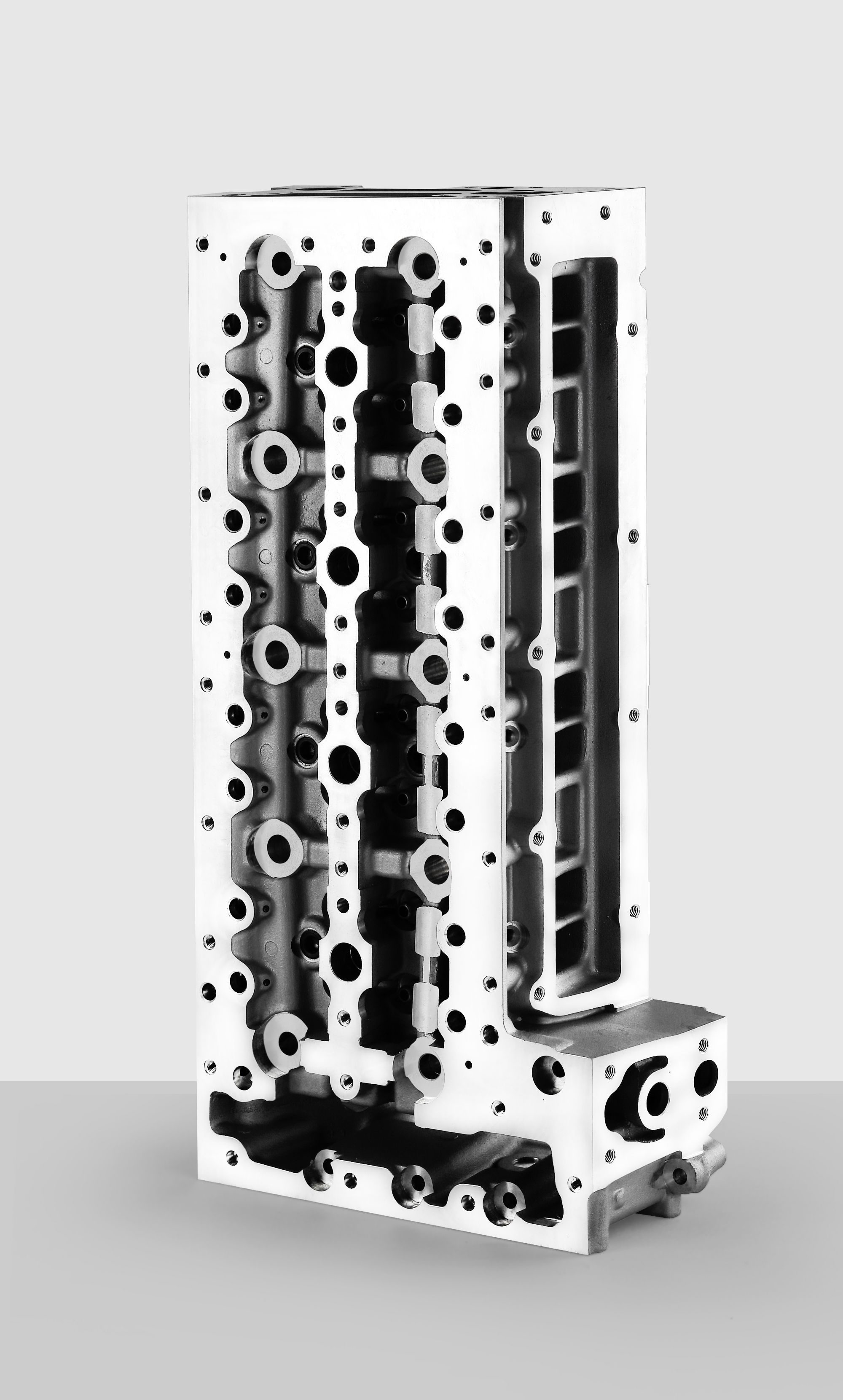
Ask any engine builder what keeps them awake at night, and cylinder head quality is usually near the top of the list. One soft casting or an inconsistent valve seat can turn a solid build into a costly comeback. The supplier behind the part matters just as much as the design. This guide cuts through the noise with practical checks for finding a maker that actually stands behind its work—and why experienced shops often keep DDR on their shortlist.
The Sample Head Is Not the Whole Story
What rises to the top first tends to get more attention than it deserves. A sample head can show texture, color, and a certain immediate energy, but it cannot carry the weight of the entire experience. The surface is only the first visible slice, and it often behaves differently from the layers that follow.
When people judge too quickly, they mistake that opening moment for the full arc. The head forms under specific conditions, then changes, thins, and releases different notes as time passes. Flavor, body, and finish develop after the initial impression has already faded, so a narrow reading leaves most of the evidence untouched.
A more honest assessment waits for the middle and the end to show themselves. The first layer may announce something worth noticing, but it is not a summary. It is a starting point that only makes sense when the rest has room to unfold.
Know Which Foundry Is Actually Pouring
Plenty of labels look legitimate until you dig into who actually shaped the outlines. Some storefronts license the same third-party cuts, give them a new name, and quietly sell them as house designs. A fast check is to open the font data and read the name strings; if the designer credit points somewhere else, the story on the sales page isn't the whole picture.
Active foundries often leave fingerprints in the details. Their release notes get specific about redrawn punctuation, tightened sidebearings, or the reason a bold goes blunt at large sizes. Middlemen tend to talk in broad adjectives because they were not in the room when the vectors were made. That distinction shows up fast once you ask one direct question about a glyph.
So before spending, send a note. Ask whether the italic is optically corrected or just slanted, or whether the foundry can supply a stripped subset for embedding. The answer—or the silence—tells you more than the badge on the specimen page.
Ask About Porosity Rework Before It Reaches You
Many suppliers treat porosity rework as an afterthought, only flagging it after parts have already reached your receiving area. That timing is far too late. When a casting or weld shows voids, the repair path depends on welding filler, impregnation method, heat treatment, and inspection limits, and each choice changes part performance, lead time, and cost. Asking before the parts ship gives you a clearer picture of what is actually acceptable.
Get the rework procedure in writing. Ask which areas are eligible for repair, how many attempts are allowed, and whether a repair triggers re-heat treatment or a new dimensional check. Also confirm if reworked parts are marked or traced separately. These details tell you more than a simple yes or no ever will.
If a supplier hesitates to share its porosity rework limits, treat that hesitation as a warning. The best shops can show a defined acceptance standard, photos of previous repairs, and records linking each reworked part to an approved procedure. That kind of transparency keeps surprises from arriving with the shipment.
Tight Tolerances Demand More Than a New Machine
A new machine with a tighter spindle spec can look like the obvious fix, but the spec alone rarely holds up on the floor. Temperature drift, worn tooling, fixture deflection, and measurement lag quietly erode repeatability long before the machine itself becomes the limiting factor. In shops that consistently hold very tight tolerances, the machine is simply the most visible part of a controlled process—not the control itself.
The difference usually sits in the less glamorous routines: stabilizing the room, presetting tools, probing before finish passes, and knowing when to compensate. A machine that can resolve a micron will also faithfully reproduce a two-micron error if the setup flexes or the part changes temperature. That is why investing in thermal compensation, rigid workholding, and operator judgment often returns more usable accuracy than adding another axis or buying a faster spindle.
These factors rarely show up on a purchase order, but they decide whether a new machine performs to its quoted numbers across shifts, materials, and seasons.
Repeat Order Lead Times Tell the Truth
Many buyers treat the first shipment date as the benchmark, but that number is often polished. The second order, third order, and everything after exposes the real cadence. A supplier who can hit the same window repeatedly, without reminders or excuses, proves their production planning and raw material access are stable.
Repeat lead times also reveal how much priority your account actually receives. When a factory is busy, new customers might get pulled forward to win the business, while ongoing orders slip. If your third or fourth order starts stretching beyond the original quote, that is a signal about capacity, not just bad luck.
Watching lead times across repeat orders works better than audits or promises. It shows whether the supplier manages bottlenecks, communicates delays early, and treats consistent delivery as part of the product. A shortening or steady lead time over several cycles is one of the few reliable signs of a healthy supply relationship.
Warranty Exclusions Are the Real Contract
The headline promise on a warranty card usually sounds generous, but the exclusions section is where the actual coverage gets defined. Every item listed as not covered—from seals and gaskets to damage caused by ordinary wear—reduces the practical value of the guarantee. What remains after those carve-outs is often a much narrower commitment than the marketing language suggests.
Manufacturers have learned to use exclusions as a way to shift risk back to the buyer. Misuse, unauthorized repairs, environmental exposure, power surges, or failure to follow a maintenance schedule can all be cited to deny a claim. Even components that seem central to the product are sometimes classified as consumable or outside the covered assembly, leaving the owner with a repair bill despite holding a valid-looking warranty.
Before relying on any warranty, the sensible move is to read the exclusion list first and ask what scenarios are left. If your expected use involves conditions the manufacturer has already ruled out, the warranty may be more of a marketing gesture than a practical safeguard. In that sense, the exclusions are not fine print at all—they are the contract's real boundaries.
FAQ
Look at how they handle casting and machining under one roof. Ask for photos or videos of their foundry floor, CNC setup, and pressure testing stations. If they hesitate to show these, that is usually a sign they are only trading parts.
Send them a sample head or detailed drawings and see what questions they ask. A solid maker will ask about valve seat material, guide clearance, port finish, and whether the head is for stock rebuild or performance use. Vague replies mean limited experience.
For most automotive and light diesel work, look for proper aluminum grades like A356 or equivalent, with clear heat treatment records. For cast iron heads, ask about alloy composition and hardness after machining. Avoid suppliers that just say good quality aluminum.
Request a first article report with measured dimensions from a coordinate measuring machine. Pay attention to valve guide bores, deck flatness, cam bore alignment, and injector seat depth. Then order one sample and have it inspected independently.
Repeated valve seat loosening, cracking between valve seats, uneven deck surfaces, porous castings, and inconsistent valve guide fit. Also watch for heads that arrive with sand residue inside oil or coolant passages.
It depends on your workshop capability. If you have skilled machinists, bare castings give more control. If not, choose a supplier that assembles heads with documented component sources and torque specs. In both cases, ask for a clear warranty on casting defects and machining errors.
A trustworthy maker should cover casting porosity, dimensional errors, and material defects for a reasonable service period. They should also accept photo or video evidence of failures and offer replacement or credit without excessive delay. Ask about a technical contact person, not just a sales representative.
Request quotes with full details: material grade, heat treatment, machining tolerances, surface finish, included components, and packaging. Low prices often hide skipped processes like stress relieving, final washing, or pressure testing. Compare total landed cost and rework risk instead of unit price alone.
Conclusion
A clean sample cylinder head can easily distract you from the supplier’s everyday work. One casting that looks perfect says little about batch consistency, so it is worth finding out which foundry is actually pouring the metal rather than relying on a middleman’s name. Once you know that, ask directly how porosity is detected and reworked before the parts reach your door. Some shops use pressure testing or impregnation on a routine basis, while others fix only the obvious surface flaws. That difference affects how many problem castings end up in your inventory.
Precision claims also deserve more scrutiny than a brochure or a new machine list. Holding tight tolerances depends on stable temperatures, fixture maintenance, and inspection habits every day. Repeat order lead times are another useful test: a fast first delivery may come from spare inventory, but steady turnaround on later orders points to capacity and planning. Finally, read the warranty exclusions as the real contract. If common failures like thermal cracking or machining allowance issues are excluded, the coverage is thinner than the headline suggests.
Contact Us
Contact Person: Shelly
Email: [email protected]
Tel/WhatsApp: 8613967667688
Website: https://www.yongyu.com/