
Cost-Effective Sanitary Pad Making Machine: A Smart Investment for Sustainable Hygiene Solutions
2026-03-16
In a world where access to affordable hygiene products remains a challenge for millions, innovative solutions are emerging to bridge this gap. Introducing the cost-effective sanitary pad making machine—a game-changer in sustainable hygiene solutions. This smart investment not only addresses critical health needs but also empowers communities to produce their own high-quality pads. At Womeng, we're proud to champion this technology, blending affordability with reliability to foster independence and dignity. Join us as we delve into how this machine can transform lives, reduce waste, and create lasting impact. Ready to explore a future where hygiene is accessible to all? Let's dive in.
Innovative Design for Affordable Sanitary Pad Production
Imagine a world where every woman has access to affordable menstrual hygiene products, no matter her income or location. This vision drives our pioneering approach to sanitary pad production, which rethinks traditional manufacturing from the ground up. By integrating locally sourced, biodegradable materials like banana fibers or bamboo pulp, we slash costs while boosting sustainability. This isn't just about making pads cheaper; it's about creating a system that empowers communities, reduces environmental waste, and ensures dignity for all.
Our design process centers on modular machinery that can be assembled and operated with minimal technical expertise. Think of it as a DIY kit for small-scale producers: compact, energy-efficient, and adaptable to various settings, from rural workshops to urban micro-factories. This flexibility allows for decentralized production, cutting down on transport expenses and enabling faster responses to local demand. It's a game-changer in regions where supply chains are often disrupted, offering a resilient alternative to imported products.
Beyond the hardware, we've revolutionized the pad's core structure with a layered, breathable design that enhances comfort without expensive synthetic additives. By optimizing absorbency through natural, non-toxic materials, we maintain high performance at a fraction of the cost. This innovation not only makes pads more accessible but also fosters a shift toward eco-friendly practices in an industry often criticized for plastic waste. It's proof that affordability and quality can go hand-in-hand, sparking a global conversation on inclusive health solutions.
Smart Technology Integration Enhancing Manufacturing Efficiency
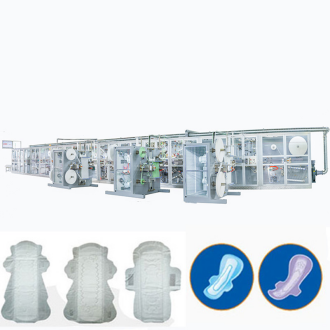
Embracing smart technology integration transforms manufacturing from a linear process into a dynamic ecosystem where machines communicate seamlessly to optimize production. By embedding sensors, IoT devices, and AI-driven analytics into factory floors, companies can monitor real-time data on equipment performance, energy consumption, and product quality. This connectivity enables predictive maintenance, reducing downtime by alerting operators to potential failures before they disrupt operations, thus slashing costs and boosting output.
Beyond mere automation, integrating technologies like digital twins and collaborative robots (cobots) allows manufacturers to simulate and refine processes in virtual environments before physical implementation. This iterative approach minimizes errors, accelerates innovation cycles, and enhances flexibility to adapt to shifting market demands. For instance, using AI to analyze production workflows can identify bottlenecks, suggesting adjustments that streamline tasks and improve worker productivity, leading to a more agile and responsive manufacturing setup.
Moreover, smart integration fosters sustainability by optimizing resource use and reducing waste through precise control mechanisms. Implementing technologies such as edge computing and cloud-based platforms ensures data-driven decision-making across supply chains, strengthening competitiveness in today's fast-paced industrial landscape. By prioritizing these integrations, manufacturers not only achieve higher efficiency but also build resilient operations capable of thriving amid technological advancements and economic fluctuations.
Sustainable Materials Contributing to Environmental Responsibility
When we talk about sustainable materials, it’s more than just a buzzword—it’s a commitment to reshaping how we interact with our planet. Think about bamboo, a fast-growing plant that regenerates quickly without the need for pesticides, or recycled plastics that divert waste from landfills and oceans. These materials often have a lower carbon footprint during production, reducing greenhouse gas emissions and conserving resources like water and energy. By choosing such options, we actively reduce environmental strain, supporting ecosystems and promoting a healthier balance for future generations.
Beyond the basics, innovation in sustainable materials is pushing boundaries in ways that surprise and inspire. For instance, mycelium-based products use fungal roots to create biodegradable packaging, mimicking nature’s efficiency. Similarly, algae-based textiles offer a renewable alternative to synthetic fabrics, cutting down on microplastic pollution. These advancements aren’t just eco-friendly; they’re economically savvy too, often leading to cost savings and new market opportunities. It’s about rethinking waste as a resource and designing with circularity in mind, where materials can be reused or composted at the end of their lifecycle.
Ultimately, embracing sustainable materials is a tangible step toward environmental responsibility that everyone, from individuals to corporations, can take. It’s not just about doing less harm; it’s about creating positive impacts—like using cork from responsibly managed forests that support biodiversity, or hemp that enriches soil rather than depleting it. This shift fosters a culture of mindfulness, encouraging us to question the origins of everyday items and opt for choices that align with planetary health. By integrating these materials into our lives, we build resilience against climate change and champion a legacy of stewardship for the Earth.
Cost Savings and Long-Term Financial Benefits for Businesses
One of the most immediate ways businesses can reap cost savings is through streamlining operations and reducing waste. By adopting lean methodologies or investing in automation technologies, companies can cut down on labor costs, minimize errors, and accelerate production cycles. This not only translates to lower operational expenses but also enhances overall efficiency, allowing businesses to allocate resources more strategically for growth initiatives.
Beyond short-term savings, implementing sustainable practices offers substantial long-term financial advantages. For instance, investing in energy-efficient equipment or renewable energy sources may require upfront capital, but over time, it leads to significant reductions in utility bills and can qualify for tax incentives. Moreover, as consumer preferences shift toward eco-friendly brands, such initiatives can boost customer loyalty and market share, driving revenue growth that compounds year after year.
Another critical aspect of long-term financial health is building robust financial reserves through disciplined budgeting and forecasting. By regularly analyzing cash flow and setting aside funds for emergencies or opportunities, businesses can avoid costly debt and maintain stability during economic downturns. This proactive approach not only safeguards against unforeseen expenses but also positions companies to invest in innovation when the timing is right, ensuring they stay competitive and profitable in the evolving marketplace.
Promoting Hygiene Accessibility in Underserved Communities
In many underserved communities, access to basic hygiene resources—like soap, clean water, and sanitary facilities—is often limited or inconsistent, creating significant health disparities. This isn't just about occasional shortages; it's a persistent barrier that affects daily life, from preventing the spread of infectious diseases to maintaining dignity and well-being. For instance, in some areas, residents might rely on shared water points that are far from home or face high costs for hygiene products, making simple acts like handwashing a challenge rather than a routine. Addressing this requires more than just temporary aid; it demands sustainable solutions that consider local infrastructure, economic constraints, and cultural practices to ensure hygiene becomes a reliable part of community resilience.
A key approach involves community-driven initiatives that empower residents to take ownership of hygiene improvements. Rather than top-down interventions, programs that train local leaders in hygiene education and involve them in designing water and sanitation projects tend to have longer-lasting impacts. Imagine a scenario where community members co-create affordable soap-making workshops or advocate for better public restroom maintenance—these efforts not only enhance accessibility but also foster a sense of pride and agency. By focusing on collaboration, we can tailor solutions to specific needs, such as installing rainwater harvesting systems in arid regions or distributing menstrual hygiene kits in schools, making hygiene more inclusive and adaptable to diverse environments.
Looking ahead, promoting hygiene accessibility in underserved communities calls for innovative partnerships that bridge gaps between public, private, and nonprofit sectors. This could mean leveraging technology, like mobile apps that track water quality or crowdfunding platforms for sanitation projects, to scale efforts efficiently. Moreover, integrating hygiene into broader health and education agendas—such as linking it to nutrition programs or school curricula—can amplify its importance and reach. Ultimately, it's about creating a holistic framework where hygiene isn't seen as an isolated issue but as a fundamental right that supports overall community development, reducing inequalities and building healthier futures for all.
Customizable Features for Versatile and Scalable Operations
Imagine a system that adapts as swiftly as your business evolves, offering a tailored toolkit to meet unique operational demands with ease. These customizable features empower users to modify workflows, integrate specific tools, and adjust settings without requiring extensive technical expertise, fostering an environment where innovation thrives. By allowing deep personalization, the solution not only enhances efficiency but also aligns precisely with diverse industry requirements, making it a versatile companion for companies aiming to stay agile in competitive markets.
Beyond mere flexibility, this adaptability supports scalable growth by enabling seamless expansion across teams or geographies. Features can be scaled up or down based on real-time needs, ensuring that operations remain robust even as complexity increases. This scalability reduces bottlenecks and supports long-term strategic goals, allowing businesses to pivot quickly without overhauling their entire infrastructure, thus future-proofing investments in technology.
With an emphasis on user-centric design, these features also promote collaboration and streamline processes through intuitive interfaces. By reducing dependency on rigid systems, organizations can foster a more dynamic and responsive operational culture, ultimately driving productivity and innovation in a way that feels uniquely suited to their journey.
FAQ
It combines affordability with advanced technology, allowing small businesses to produce high-quality sanitary pads at a lower initial investment, reducing reliance on expensive imports.
By enabling local production, it minimizes transportation emissions and waste from packaging, while using eco-friendly materials where possible to support environmental goals.
Entrepreneurs gain a quick return on investment through low operational costs, access to a growing market for hygiene products, and the ability to customize pads for local needs.
Yes, it's designed with user-friendly controls and includes detailed training manuals, making it accessible for startups or community-based initiatives without extensive expertise.
It can manufacture a variety of pads, including daily liners, regular pads, and even thicker options for overnight use, all adjustable to meet different consumer preferences.
With automated precision in material layering and cutting, it maintains uniform standards, and built-in safety checks help comply with hygiene regulations to protect end-users.
Manufacturers offer regular maintenance schedules, remote troubleshooting assistance, and spare parts availability to keep operations smooth and minimize downtime.
It can improve access to affordable, clean sanitary products, reducing health risks and empowering communities, especially women and girls, to manage menstrual hygiene effectively.
Conclusion
The Cost-Effective Sanitary Pad Making Machine represents a pivotal advancement in hygiene solutions, merging affordability with sustainability. Its innovative design enables efficient production of high-quality pads, making it accessible even for small-scale operations. By integrating smart technology, the machine enhances manufacturing efficiency, reducing labor costs and minimizing errors. This technological edge is complemented by the use of sustainable materials, promoting environmental responsibility without compromising performance. Such features collectively contribute to significant cost savings and long-term financial benefits, making it a wise investment for businesses aiming to balance profitability with ecological awareness.
Beyond economic advantages, this machine plays a crucial role in promoting hygiene accessibility in underserved communities, where reliable sanitary products are often scarce. Its customizable features allow for versatile and scalable operations, adapting to diverse production needs and market demands. This flexibility ensures that the machine can support both local initiatives and larger enterprises, fostering inclusive growth. Overall, this smart investment not only drives business success but also advances sustainable hygiene solutions, empowering communities and supporting a healthier, more equitable future.
Contact Us
Contact Person: Jessie Lai
Email: [email protected]
Tel/WhatsApp: 86-188594442931
Website: https://www.wm-machinery.com