

Conference Chair Sourcing: Smart Ways to Find Durable and Stylish Seating
2026-11-16
Conference chair sourcing has a way of exposing trade-offs: the durable ones look institutional, the stylish ones wobble by year two. After one too many replacement cycles, it’s clear you need a smarter filter than catalog photos. This guide breaks down what actually predicts long-term performance—frame joints, fabric ratings, ergonomic geometry—and where OFCJNS fits as a benchmark for seating that doesn't force you to choose between resilience and a clean, modern look.
Know Your Room's Real Traffic Before You Order
Foot traffic data reveals more than just numbers—it tells you when your neighborhood actually wakes up, when the lunch rush hits, and when the evening crowd wanders in. Before you even think about placing an order, stand outside your door and count the people passing by for a few days. You'll notice patterns that generic reports miss: the yoga studio two blocks away sends a wave of customers at 9:47 every Tuesday, while the bus stop across the street creates a sudden surge at 5:12. Those real, observed rhythms are what decide whether you need three dozen pastries or just a small batch.
Most people rely on outdated demographics or gut feelings, but actual room traffic is messy and specific. Maybe Tuesdays are quiet but the first Friday of the month sees double the footfall because of a nearby gallery opening. Maybe rain cuts your walk-ins by 70%, even though online orders stay steady. By tracking pedestrian flow for just one week—using a simple tally counter or even a sheet of paper—you can adjust your ordering quantities down to the hour. A café that orders for 200 customers every morning when only 80 show up before noon is throwing away money. But the one that knows its 7:30 a.m. regulars and the 10 a.m. stroller crowd can stock exactly what's needed.
Don't guess what your room's traffic will be—measure it directly. Watch how people move, where they pause, and what they carry. A delivery driver walking in at 1 p.m. means something different from a student with a laptop. Those small observations, gathered before you place your next supply order, prevent both overstock and embarrassing shortages. Real traffic isn't a static number from a city report; it's the living, shifting flow right outside your window.
Frame Materials That Survive Daily Stacking
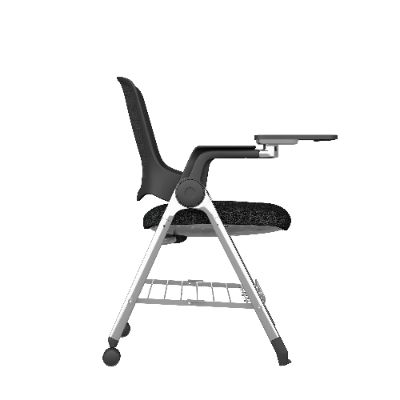
A frame that gets stacked every day takes abuse in places most people never look. Steel tubing with a powder-coated finish is still the workhorse for good reason—it shrugs off scuffs from feet and the weight of a dozen chairs above it. But not all steel is equal. Look for 18-gauge or thicker walls and welded joints, not cheap hardware-store bolts, because the flex from repeated stacking will eventually loosen anything that isn’t fused together.
Aluminum offers a lighter alternative, but only when the alloy and tubing diameter are chosen for stacking loads. Extruded aluminum with internal ribs can match steel’s rigidity at half the weight, and its natural oxide layer means edge nicks won’t start rust. For plastic frames, skip bargain-basement polypropylene and ask for glass-reinforced nylon or impact-modified polypropylene—these absorb the small crashes of daily stacking without developing hairline cracks at the leg braces.
Wood frames survive stacking only if they’re built like butcher blocks, not picture frames. Laminated hardwood plywood, edge-banded and sealed all the way around, resists the racking forces that tear ordinary dowel joints apart. Whatever material you choose, check the stacking bumpers or glides—hard nylon or rubber pads at contact points keep the frame’s finish and structural corners from grinding against each other day after day.
Cushion Foam Density: The Spec Suppliers Rarely Mention
Most buyers fixate on firmness numbers or the plush feel of a cushion, but density is the quiet factor that decides whether that comfort survives the first year. A low-density foam might feel impressively soft on day one, then collapse into a flat, lifeless pad by month eight. High-density foam, on the other hand, pushes back gently for years, keeping its shape through daily use. Suppliers often skip this metric because it’s harder to market than a simple “soft” or “firm” label — and because cheap, low-density foam is far more profitable.
The numbers matter more than most people realize. A density of 1.8 pounds per cubic foot is common in budget furniture, but it breaks down fast under repeated compression. Moving up to 2.5 pounds or higher changes the entire lifespan of a cushion, especially in high-use spots like sofa seats or dining chairs. Without a stated density, you’re essentially guessing whether that showroom cushion will still support you after a few dozen movie nights.
When a spec sheet omits foam density, it’s usually a deliberate decision. The manufacturer knows the foam won’t hold up, or the supplier wants flexibility to swap in cheaper material later. Asking for the density directly often reveals more than any marketing brochure. A reputable maker will have no trouble stating it — sometimes down to the decimal point — because they’ve built their product around long-term resilience rather than a quick showroom impression.
Fabric Choices That Hide Stains and Still Look Sharp
Matte finishes and mid-tone colors do most of the heavy lifting when you want spills to disappear without going full black. Slate blue, charcoal, dusty olive, and heathered gray all break up the outline of a splash better than flat light fabrics, while subtle texture—think brushed twill or a faint herringbone—adds visual interest that does not read as "hiding something." A faint check or irregular slub in the weave can turn a coffee drip into just another part of the pattern.
Wool and wool-rich blends are underrated here. Natural lanolin gives them some resistance to liquids, and the crimp of the fibers scatters light in a way that makes small marks less obvious. A well-cut pair of mid-gray flannel trousers or a navy wool overshirt will shrug off everyday smudges and still look sharper than most cotton alternatives after a long day.
For hard-wearing options, look for densely woven cottons with a bit of polyester or nylon blended in. These tend to bead moisture on the surface rather than soaking it up, and the slight sheen can blur any residue. Garment-dyed twills, micro-herringbone shirting, and darker selvedge denim all sit in that sweet spot—forgiving on stains, but structured enough to keep a clean line through the shoulders and waist.
Test the Seat Height Against Your Table, Not Just the Spec Sheet
Forget the numbers for a minute. Wheel your chair over to the exact desk or table you use every day and sit down. If you can't slide your thighs comfortably under the surface without hunching or banging your knees, the seat height is wrong for that specific setup—even if the spec sheet says it should fit. Tables vary, and so do your shoes, floor mats, and posture.
Adjust the chair until your feet rest flat on the floor and your elbows land near the same height as the work surface. Then check the gap between your lap and the underside of the table. A couple of finger-widths of clearance is enough; too much means you're reaching up, too little means you're squeezing. Trust the actual sitting test over printed measurements.
Ask Vendors About Replacement Parts Before You Commit
Before you finalize any purchase, take the time to ask vendors directly about replacement parts. A straightforward conversation can reveal whether they stock common components, how quickly they can ship them, and whether the parts are original or aftermarket. This simple step can prevent a lot of frustration down the road.
Don't settle for vague assurances like "we usually have parts available." Press for specifics: ask for part numbers, lead times, and warranty terms for replacements. Vendors who are transparent about their parts supply chain are far more likely to keep your equipment running long after the sale. If they hesitate or can't provide clear answers, consider that a warning sign.
Ultimately, the availability of replacement parts often matters more than the initial price tag. A slightly cheaper product with poor parts support can end up costing you dearly in downtime. Make parts availability a non-negotiable part of your buying criteria, and you'll save yourself countless headaches.
FAQ
Start with the frame. A solid steel or reinforced aluminum frame feels heavier and doesn't flex when you press down. Check the joints and welds—if they look clean and smooth, that's a good sign. Also pay attention to the fabric: tightly woven upholstery or top-grain leather will resist scuffs far better than thin polyester blends. A warranty of at least five years on mechanical parts is another practical indicator.
Absolutely. Look for chairs with a contoured backrest that supports the natural curve of the spine, not just a flat piece of foam. A seat with medium-firm cushioning and a waterfall edge reduces pressure behind the knees. Adjustable lumbar support helps different body types. Breathable mesh or a subtle fabric weave keeps people from overheating, while modern color-blocking or slim metal legs add style without compromising comfort.
There's no universal answer. Buying factory-direct often gives you lower per-unit pricing and more control over custom finishes, but you'll usually wait longer and handle your own assembly or repairs. A local dealer might charge a bit more, yet you can see and sit in the chairs first, get quicker delivery, and have someone to call if a gas lift fails. For a large order, ask both for quotes and compare lead times, not just the base price.
Request a sample and use it in your own conference room for a week or two, watching how different people react to it. Inspect the base and casters: do they roll smoothly on carpet and hard floors? Lean back hard and listen for creaks. Look for third-party certifications like BIFMA or ANSI/BIFMA testing, which are common for commercial furniture. Finally, ask the vendor for references from offices that have used the same chair for at least three years.
Powder-coated steel or solid wood frames are both sturdy and easy to match with different interiors. For seating surfaces, vinyl or polyurethane leather handles spills well and wipes clean quickly. If you prefer fabric, choose a high-rub-count contract textile—something above 50,000 double rubs. Wool blends resist pilling and stains better than standard office polyester. Avoid glossy finishes that show scratches easily and look worn after a few months.
Plan for roughly $250 to $600 per chair if you want a solid metal frame, durable upholstery, and a smooth adjustment mechanism. Below $200 you're often sacrificing long-term strength or ergonomic support. Above $800 usually buys you premium leather or designer styling, which is fine if the room represents your brand, but the sweet spot for value is usually in that middle range.
Look for open-box or floor-model deals from dealers who refresh their showrooms. Ask about volume discounts even if you're buying only 12 or 15 chairs—sometimes a small extra order gets you a lower tier. Consider remanufactured or refurbished chairs from reputable sellers; they often replace worn fabric and gas lifts. And time your purchase for the end of a fiscal quarter or year, when many office furniture suppliers offer unadvertised discounts to hit sales targets.
Conclusion
Before you order a single chair, watch how the room actually gets used. A conference space that hosts back-to-back meetings will punish flimsy frames during daily stacking and unstacking. Look at welded steel or reinforced aluminum, and check the joints where legs meet the seat pan — that's where cheaper units fail first. Equally important is the foam inside the cushion. Suppliers rarely volunteer density numbers, so ask directly. High-resilience foam with a density of at least 2.5 pounds per cubic foot will keep its shape after hundreds of hours of sitting, while low-density foam turns flat and lumpy within a year.
Fabric choice matters more than color. A mid-tone heather or subtle pattern hides coffee spills and scuffs far better than solid black or bright red, and a stain-resistant finish adds real protection without looking plasticky. Don't trust the spec sheet for seat height — measure the distance from the floor to the underside of your actual conference table, then leave at least seven inches of thigh clearance. Finally, before you commit to a vendor, ask about replacement parts: casters, glides, arm caps, even foam inserts. If a supplier can't provide those quickly, the chair becomes disposable after the first broken wheel. Durable and stylish sourcing means digging past the marketing copy and testing the details that show up after month six of heavy use.
Contact Us
Contact Person: Diff Wang
Email: [email protected]
Tel/WhatsApp: +8613650281199
Website: https://www.ofcmeshchair.com/