

Commercial Building HVAC Manufacturer How to Choose the Best System for Your Facility
2026-11-02
Choosing an HVAC system for a commercial building isn't a decision you make twice—get it wrong, and you'll feel it in energy bills, comfort complaints, and maintenance costs for years. That's why the selection process starts long before equipment arrives on site. From load calculations to zoning and controls, the right manufacturer matters just as much as the equipment itself. At Tongbaote, we've seen how the best systems come together when facility needs drive every choice. Here's what to focus on before you commit.
Why a Load Calculation Guess Comes Back to Bite You
Guessing at a load calculation might seem like a time-saver in the moment, but it rarely stays that way. When your system ends up undersized, you’ll notice it on the hottest afternoons or coldest nights—rooms that never quite reach the set temperature, equipment running constantly, and energy bills climbing without any real comfort payoff. The real bite comes later, when you’re paying for a replacement years before you should be, or tearing into walls to fix ductwork that was never right for the actual airflow needs.
Oversizing has its own quiet sting. A unit that’s too large short-cycles, clicking on and off before it ever gets a chance to dehumidify properly. That leaves you with clammy air, mold risk in hidden corners, and a compressor that’s taking a beating from all those starts. It feels counterintuitive—bigger should be better, right? But a load calculation isn’t about guessing high to be safe. It’s about matching the exact heat gain and loss of the structure, and when you skip that step, you’re basically paying for a system that fights itself all day long.
The worst part? The guess doesn’t just affect equipment size. It touches duct sizing, register placement, even the return air path. A wrong number early on ripples through the whole install, so by the time the system is in and running, every “quick fix” becomes another patch on top of a shaky foundation. That’s when the original timesaving guess comes back to collect—in service calls, comfort complaints, and a lifespan that falls woefully short of what the equipment was built to deliver.
Let Your Building's Actual Usage Patterns Drive the Decision
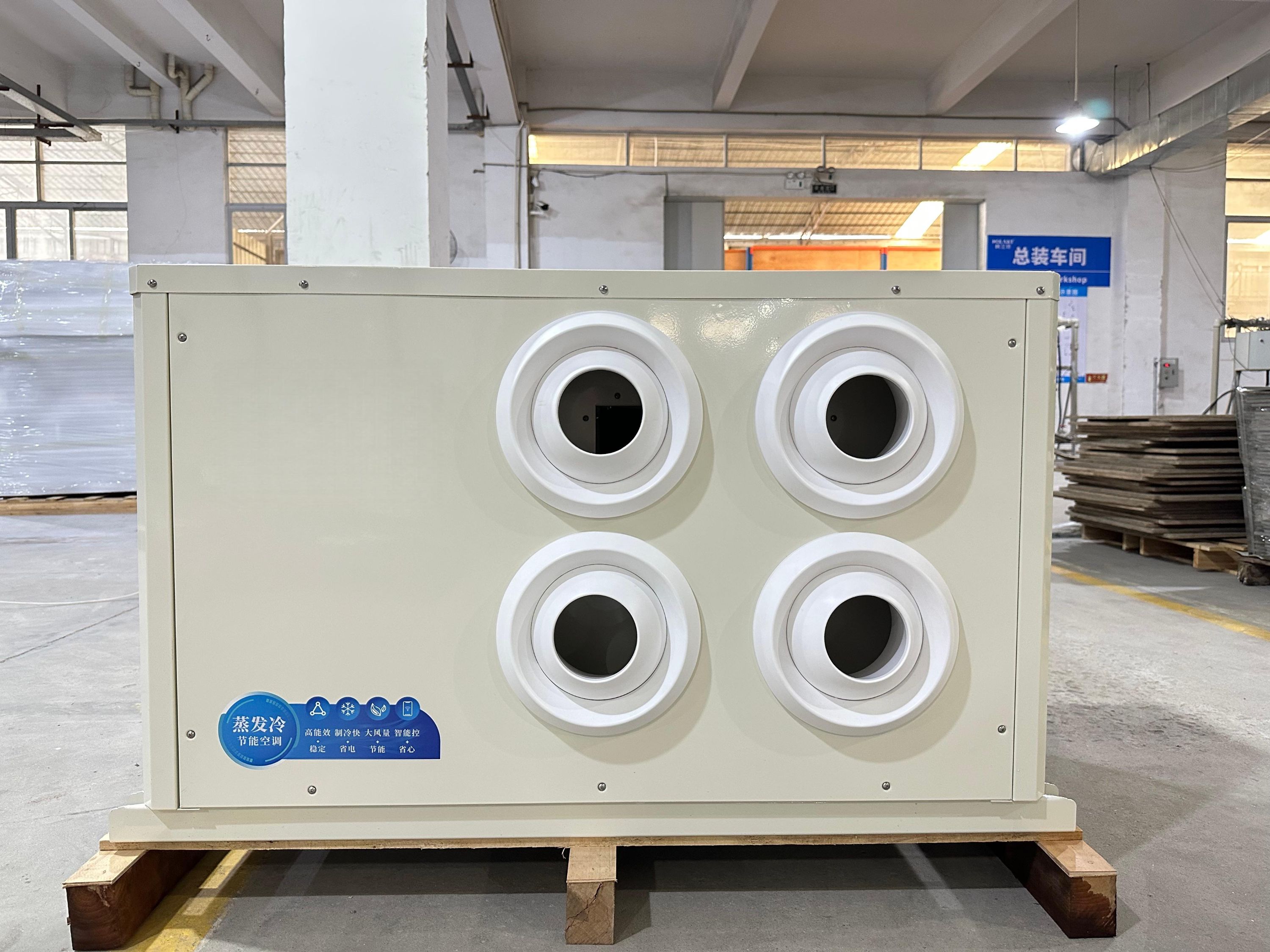
Most buildings still run on rigid schedules that assume every Tuesday behaves like the last. But your occupancy sensors, access logs, and equipment runtimes tell a far more nuanced story. When you let those actual usage patterns guide decisions, you stop heating an empty boardroom at 6 a.m. or cooling a server closet that barely breaks a sweat.
Consider a mid-sized office floor where the east wing empties out by 3 p.m. on Fridays, while the west wing buzzes with informal meetings until 6. Relying on a single building-wide schedule wastes energy and annoys occupants. Shifting to zone-level control based on observed foot traffic—not assumptions—keeps comfort high and utility bills lower. It also reveals oddities: a stairwell that's heavily used only during lunch breaks, or a printer room that generates heat spikes every afternoon.
The real advantage comes from treating your building as a living system that learns. Small adjustments, validated against actual data rather than static models, compound into significant savings and fewer comfort complaints. Let the patterns speak. Then decide where to automate, where to override, and where to invest next.
Total Cost of Ownership Goes Beyond the Sticker Price
The number on the windshield is a conversation starter, not the whole conversation. Ownership costs begin the moment you drive off: insurance rates that depend on crash data and repair costs, depreciation that can cut the car's value by a third in two years, and the steady burn of fuel or electrons. Someone who only compares sticker prices is shopping with one eye closed.
Take two similarly priced cars. One might be cheap to insure because it's common and easy to repair, while the other gets flagged for expensive sensors and labor-intensive bodywork. Add in tire wear—some EVs chew through rubber faster due to weight and torque—plus software subscriptions for features that used to be free, and the gap grows. A so-called bargain can become a money pit once you factor in premium fuel, pricier parts, and insurance surcharges.
Before signing, run your own five-year tally: get real insurance quotes for the exact trim, estimate fuel or charging costs with your actual driving pattern, check tire and maintenance forums, and look at resale trends for that model year. The final figure rarely matches the advertised price. In the end, the cheapest car is often the one that doesn't nag you with surprise bills.
Does the Manufacturer Have a Service Network Near You?
A nationwide service map looks impressive on a brochure, but it means little if the nearest technician is three states away. Before committing to a purchase, pull up the manufacturer’s dealer locator and cross-check it with real driving distances. Call the closest listed provider and ask pointed questions: How many of these units have you serviced in the past year? Do you keep common wear parts in stock, or does everything need to be ordered from a regional warehouse? If the answers are vague, treat that as a warning sign.
Local independent shops can sometimes bridge the gap, but only if the manufacturer supports them with training and diagnostic access. Some brands restrict software or technical bulletins to authorized dealers, which leaves you stranded if that dealer closes or drops the line. Ask the manufacturer directly whether independent mechanics in your area can purchase parts and access service documentation. A brand that locks everything down may offer lower upfront pricing, but you’ll pay for it later in downtime.
Finally, talk to current owners within a hundred-mile radius. They will tell you what the map cannot: whether the local tech shows up on time, whether warranty claims get approved without endless back-and-forth, and whether the manufacturer actually stocks parts on this side of the country. A service network is only as good as the people running it, and that reputation spreads fast among operators who rely on the equipment every day.
Zoning, Air Quality, and Future Flexibility in One System
Zoning rules and air quality targets usually live in separate policy silos, but this system brings them under a single operational layer. Land-use decisions, emission buffers, and ventilation corridors are mapped together so that a proposed development can be checked against both spatial regulations and real-time air monitoring before approval. The interface flags conflicts early—such as a high-density zone sitting too close to a particulate hotspot—and suggests adjusted setbacks or phased occupancy instead of forcing a manual review later.
Future flexibility comes from how the underlying rules are stored. Each zoning category and air quality threshold is versioned, not hard-coded, allowing the city to tighten annual limits or reclassify mixed-use blocks without rebuilding the entire model. Scenario tools let planners test rezoning proposals against projected traffic emissions, seasonal inversion patterns, and new industrial buffers, so the same platform can absorb code updates, sensor expansions, or shifts in public health guidance without losing historical comparability.
What Efficiency Ratings Don't Tell You
Efficiency ratings are calculated under tightly controlled lab conditions that rarely match how equipment actually runs in your home. A unit might hit an impressive SEER or AFUE number at full load, but most systems spend the vast majority of their time cycling on and off at partial load. In that stop-start reality, the gap between a top-rated model and a supposedly average one can shrink to almost nothing.
Ratings also ignore the things that quietly erode real-world performance: duct leaks, dirty coils, incorrect refrigerant charge, or an oversized unit that short-cycles. You can buy the highest-rated furnace or heat pump on the market and still end up with mediocre efficiency if the install is sloppy or the house itself leaks air. The label measures the machine, not the system it lives in.
Then there is the long view. Efficiency tests do not account for how a unit degrades over five or ten years, how much maintenance it will actually get, or how its controls behave in shoulder-season weather. Those factors often matter more than a one-point difference on an energy label, yet they never show up in the brochure.
FAQ
Start with a load calculation based on the building's size, insulation, window orientation, and local climate. This prevents oversizing, which wastes energy, or undersizing, which leads to comfort complaints.
If areas are occupied at irregular hours, a modular or zoned system lets you condition only active spaces. Constant-use facilities often benefit from centralized systems with energy recovery, while intermittently used buildings save more with demand-controlled ventilation.
Most commercial systems run at partial capacity for the majority of the year. Choosing equipment with high part-load ratings, such as variable speed compressors or modulating burners, typically delivers lower operating costs than a unit with excellent full-load numbers but poor turndown.
Installation complexity, ductwork modifications, commissioning, and ongoing service agreements often exceed the equipment cost over the system's life. A lower upfront price can hide expensive refrigerant leaks, filter replacements, or control incompatibilities.
Ask for third-party test reports, AHRI certificates, and case studies from similar buildings in your climate zone. Field data from actual installations is more informative than marketing brochures, especially for humidity control and sound levels.
If your facility has diverse zones with different heating and cooling needs—like a server room next to offices—multiple smaller units provide redundancy and better temperature control. A single large plant can be more efficient but leaves the entire building vulnerable during maintenance.
Confirm that certified technicians and spare parts are available within your region. A responsive service team can reduce downtime during peak cooling or heating seasons, which often matters more than minor efficiency differences between models.
Conclusion
Choosing an HVAC system for a commercial building often starts with a load calculation, and that step deserves more respect than it typically gets. A guessed load calculation might save an afternoon, but it tends to resurface later as uneven temperatures, short cycling, and premature compressor wear. Instead of leaning on assumptions, let your building's actual usage patterns drive the decision: an office with dense occupancy and afternoon solar gain has different needs than a warehouse with intermittent loading-dock activity. That same practical lens applies to cost. Total cost of ownership goes far beyond the sticker price, factoring in energy draw, maintenance intervals, and how easily parts can be sourced. If the manufacturer lacks a service network near your facility, even a minor repair can turn into days of downtime. A system that looks affordable on paper can become the most expensive choice when every service call requires a long-distance trip.
Beyond basic heating and cooling, zoning, air quality, and future flexibility should be considered together. A single system that handles multiple zones with distinct setpoints prevents tenant complaints and wasted energy, while filtration and ventilation options protect occupants from stale air and contaminants. Future flexibility matters too: a building may shift from open-plan offices to partitioned labs, and the HVAC backbone should adapt without a full replacement. Finally, efficiency ratings only tell part of the story. A high SEER or EER number can be gamed under ideal test conditions, whereas real performance depends on part-load behavior, humidity control, and how the unit actually communicates with building controls. The best choice comes from looking past the brochure numbers and evaluating how the manufacturer's engineering, local support, and long-term durability fit the specific rhythms of your facility.
Contact Us
Contact Person: Wanshu Chen
Email: [email protected]
Tel/WhatsApp: +86-13662871206
Website: https://www.mbcee.com