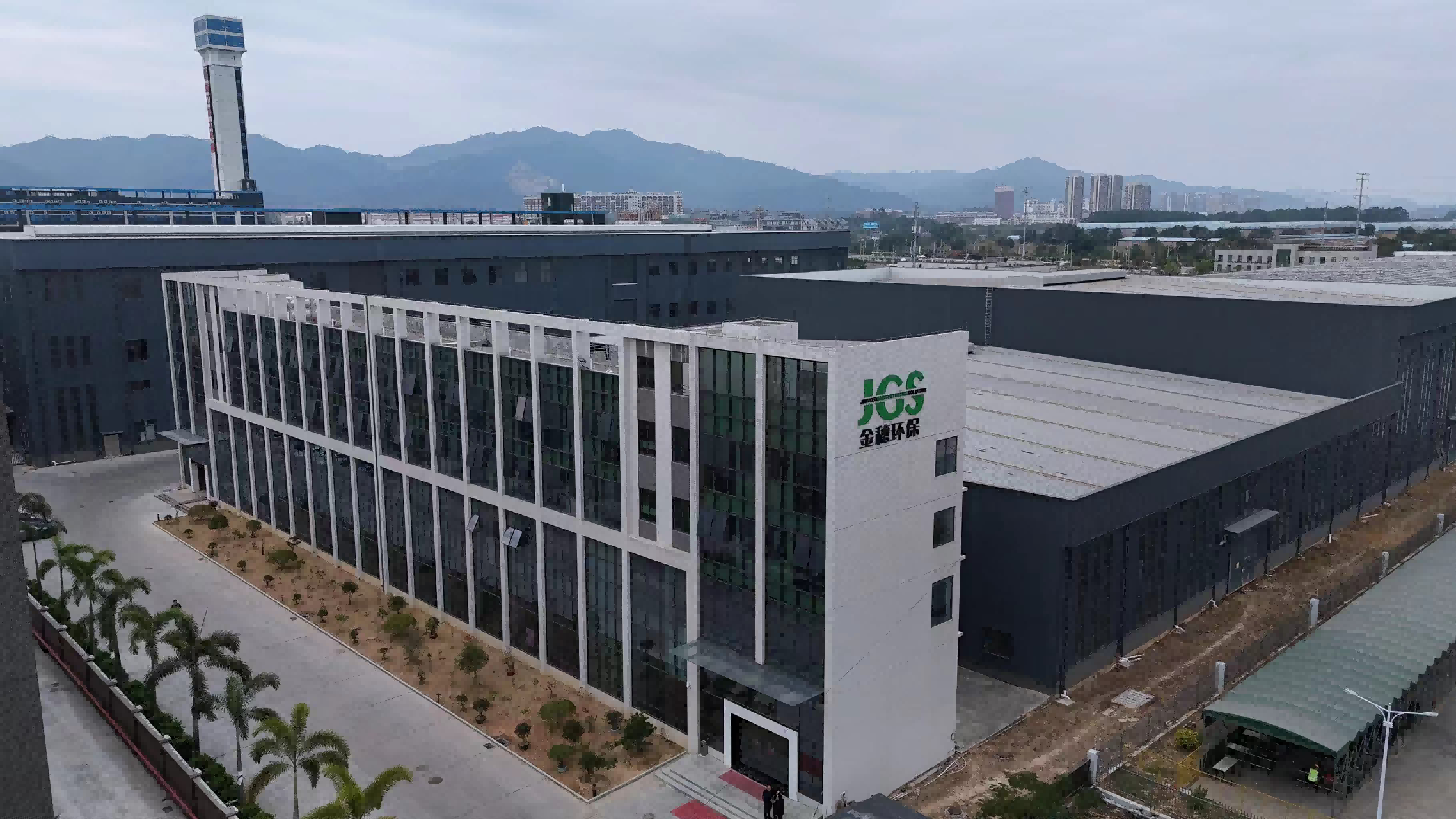

China HDPE Geomembrane Pond Liner: Key Features, Benefits, and Buying Tips
2026-08-15
When it comes to lining ponds, reservoirs, or containment systems, China HDPE geomembrane pond liners have become the go-to choice for engineers and project managers worldwide. But with so many options on the market, how do you know which liner will actually hold up? In this guide, we’ll break down the key features, real benefits, and practical buying tips—so you can make a confident decision. At JInseed Geosynthetics Solution, we’ve seen firsthand what separates a reliable liner from a risky one.
Beyond the Spec Sheet: What Really Defines a Quality HDPE Pond Liner
A thickness rating alone won't tell you how a liner will hold up after five summers of direct sun or a winter freeze that pushes the ground against it. What separates a liner that lasts from one that starts cracking early comes down to how the polymer is processed and what gets left out of the mix. Look for resin that hasn't been stretched thin with cheap fillers, because that's where pinhole leaks begin. A quality HDPE liner should feel uniformly dense when you run your hand across it, not waxy in some spots and brittle in others. If a supplier only talks about mil thickness and avoids questions about raw material sourcing or carbon black distribution, that's usually a sign the spec sheet is hiding more than it reveals.
UV resistance is another factor that rarely shows up as more than a checkbox, but the way it's achieved matters enormously. Premium liners use a carefully controlled percentage of carbon black dispersed evenly through the entire sheet, not just surface-coated. This even dispersion stops the material from becoming brittle in high-altitude or southern-exposure ponds where sunlight hits at a steeper angle for longer hours. You can test this yourself by bending a sample back and forth; a well-compounded liner will resist stress whitening and return to its original shape without leaving a crease. Cheaper versions will show a pale line at the bend almost immediately, a sign that the polymer chains are already breaking down under minimal flex.
Finally, pay attention to how the liner behaves at the seams or when folded for shipping. A quality HDPE pond liner will have consistent thickness across the entire roll, so when you weld or tape two pieces together, the bond strength doesn't vary from one edge to the other. Inconsistent calipers create weak points that fail under the pressure of water weight and ground settlement. Before you buy, ask for a small sample and hold it up to a light source; if you can see bright specks or thin translucent patches, that's resin that wasn't mixed properly. The best liners look almost opaque and feel heavy for their stated thickness, because there's no cheap filler diluting the real polymer content.
The Hidden Strength of Chinese Geomembranes: Material Blends and Manufacturing Precision

When most people picture a geomembrane, they imagine a simple plastic sheet—thin, black, and unremarkable. But the Chinese manufacturing sector has quietly turned that assumption on its head. The real competitive edge lies not in the raw polyethylene itself, but in how different resin grades and additives are blended. By adjusting the ratio of high-density, linear low-density, and even metallocene-catalyzed polyethylene, producers can fine-tune flexibility, stress crack resistance, and long-term durability without pushing costs through the roof. It's a balancing act that happens in near silence, far from the construction sites where the material finally proves its worth.
Precision in manufacturing is the second half of the story. Modern extrusion lines in China's major geomembrane plants are equipped with multi-layer die systems that can simultaneously co-extrude up to five distinct layers, each with a specific job: an outer layer resistant to UV degradation, a middle core for tensile strength, and inner layers optimized for welding and chemical compatibility. Thickness control is measured in microns, and automated feedback loops adjust barrel temperatures and screw speeds in real time. The result is a product that meets or exceeds international standards like GRI-GM13, yet can be produced at volumes that surprise even seasoned engineers.
What makes this combination of material science and manufacturing discipline so powerful is that it allows for customization without sacrificing consistency. A landfill in a cold climate might need a geomembrane that remains flexible at minus forty degrees, while a mining heap leach pad demands resistance to concentrated sulfuric acid. Chinese manufacturers have learned to switch between recipes quickly, often running small custom batches on the same line that produces standard rolls. That agility—rooted in deep knowledge of polymer behavior and careful process control—is what sets the best of them apart, even if the final product still looks like just a roll of black plastic.
Why HDPE Outperforms PVC and EPDM in Real-World Pond Conditions
Anyone who has managed a pond for more than a season knows that material choice decides whether you spend your weekends enjoying the water or repairing leaks. PVC liners feel stiff and brittle once temperatures drop, while EPDM rubber, though flexible, can be punctured by sharp roots or shifting stones. HDPE takes a different path: it stays flexible enough to handle ground movement but tough enough to resist tears that would send most liners to the trash. In side-by-side tests under freeze-thaw cycles and direct sun exposure, HDPE consistently keeps its integrity long after PVC cracks and EPDM begins to lose its stretch.
The real difference shows up in how each material handles everyday pond life. PVC softens with certain algae treatments and can leach plasticizers over time, leaving brittle patches. EPDM works well for simple shapes but struggles with complex contours—every fold becomes a potential weak point. HDPE welds into seamless custom shapes, so there are no glued seams waiting to fail. That means less patching, fewer emergency trips to the pond supply store, and more confidence when a heron lands on the edge or a child wades in with a stick.
Maintenance tells the final story. Pond owners using PVC often replace liners within five to seven years, and EPDM typically lasts a decade before small leaks become a constant headache. HDPE installations routinely pass the fifteen-year mark with no intervention beyond normal cleaning. The material resists UV breakdown, doesn't react with fish waste or treatment chemicals, and remains non-toxic for plants and aquatic life. When you weigh long-term cost, labor, and peace of mind, the choice isn't really close—HDPE simply works better under real conditions.
The Most Overlooked Step in Pond Liner Installation—and It's Not What You Think
When most people plan a pond, they obsess over the liner material, the underlayment, and whether to go with EPDM or PVC. They’ll spend hours leveling the hole and smoothing every wrinkle. But there's a step that gets skipped more often than any other, and it has nothing to do with the liner itself. It’s the soil compaction beneath the underlayment. If the ground under your pond isn't properly compacted and settled before you lay anything down, you're setting yourself up for shifting, sagging, and even liner punctures down the road.
Think about it: you dig the hole, maybe you get a little rain, or the excavated dirt sits for a few days. The subsoil is loose, full of air pockets and uneven density. You throw down the underlayment and liner, fill the pond with water, and for a few weeks everything looks fine. Then the weight of thousands of gallons starts pressing down. The loose soil compresses unevenly, creating low spots where water pools, or worse, a sharp rock that was hidden below works its way up through the liner. The fix is rarely simple—you usually have to drain the pond, pull back the liner, and start over.
So before you ever unroll that liner, take a plate compactor or even just a hand tamper and go over the entire basin, including the shelves and the bottom. Wet the soil lightly and tamp again. Let it sit for a day, then check for soft spots. It’s tedious, unglamorous work, but it’s the difference between a pond that lasts twenty years and one that needs a liner replacement in two. No one posts pictures of themselves compacting dirt, which is exactly why it’s the step that gets forgotten.
Scouting Suppliers from Afar: Red Flags and Green Lights in the Chinese Market
A red flag that often gets overlooked is the mismatch between a supplier's claimed production capacity and the size of their actual workshop. Many overseas buyers rely on polished websites or trade show brochures, but when you dig into the satellite view of the factory address, you might find a small residential compound instead of an industrial park. On the other hand, a green light is a supplier who voluntarily shares live video walkthroughs of their production line—not just a static gallery—and who can name the specific machine brands they use. That level of transparency usually indicates a team that has nothing to hide and is used to working with international clients.
Another subtle warning sign appears in how a supplier handles your sample requests. If they quote an unusually low price for a complex custom part and promise a two-day turnaround without asking any clarifying questions about tolerances, materials, or surface finishing, you are likely dealing with a trading company that will outsource to the lowest bidder. In contrast, a genuine manufacturer will push back on unrealistic specs, ask for a 3D file or technical drawing, and sometimes send you a photo of the raw material stock before cutting. That kind of pushback is actually a green light—it shows they understand the difficulty and care about avoiding a costly misunderstanding later.
Finally, do not underestimate the power of a supplier's existing export documentation. Red flags include vague or altered certificates, such as a CE mark that does not match the product category or a test report from a lab that cannot be verified by its report number. Green lights come from suppliers who are willing to let you conduct a third-party audit at your own cost without hesitation, and who already have a history of shipping to buyers in your region with similar voltage, packaging, or regulatory requirements. A quick reference check with their previous clients—especially those outside the supplier's home province—can reveal more than any glossy catalog ever will.
Lifetime Cost Analysis: When a Higher Upfront Price Saves You Thousands
Most buyers fixate on the sticker price, but that number tells you almost nothing about what you'll actually spend. A $1,200 heat pump water heater looks expensive next to a $500 conventional unit, yet the heat pump often uses 60-70% less electricity each year. In a typical four-person household, that translates to around $300 in annual savings, meaning the premium pays for itself before the third year is out and then keeps adding to your bank account for another decade.
The same logic shows up in quieter ways. Commercial LED lighting can cost three times as much per fixture as fluorescent tubes, but when you factor in reduced cooling loads, lower maintenance labor, and a lifespan that stretches past 50,000 hours, the total cost of ownership drops by half in many warehouses. Cheap office chairs, budget tires, entry-level roofing shingles—they all look like wins on day one and then quietly drain money through replacements, repairs, and lost productivity.
The trick is to stop asking 'what does it cost now' and start asking 'what will it cost me over the next 10 years.' Pull the energy label, check the warranty length, estimate replacement cycles, and even look at resale value if you might sell. When you do that math honestly, the higher upfront price often isn't a splurge. It's the cheapest option wearing a disguise.
FAQ
Check that the liner uses virgin HDPE resin rather than recycled material, as this greatly affects flexibility and lifespan. Request a sample to inspect surface smoothness and uniform thickness, and ask for factory test reports covering density, tensile strength, and puncture resistance. Also confirm the product contains UV stabilizers if it will be exposed to sunlight.
HDPE is stiffer and more chemical-resistant, handles UV exposure better, and typically lasts longer than PVC. PVC is cheaper but becomes brittle over time, especially in cold weather. EPDM is very flexible and easy to patch but costs more and seams often rely on adhesives that can fail. For large or commercial ponds, HDPE usually offers the best long-term value.
A thickness between 0.75 mm and 1.0 mm is common for fish ponds with moderate water depth and smooth soil. If the pond bottom has sharp stones, tree roots, or the water depth exceeds two meters, go up to 1.5 mm or more. Always place a non-woven geotextile underlay beneath the liner to reduce puncture risk.
Yes, provided the manufacturer uses food-grade virgin resin and the liner meets standards such as FDA or NSF. Ask the supplier for certificates or third-party lab reports that confirm no harmful additives or heavy metals. Avoid liners made from unknown recycled materials for potable water applications.
Under normal conditions with the liner covered by soil, water, or a protective layer, a high-quality HDPE geomembrane can function for 20 to 30 years or more. Direct sun exposure shortens lifespan, but liners with added carbon black have strong UV resistance. Actual longevity depends heavily on installation quality, subgrade preparation, and avoiding sharp objects during backfilling.
Common errors include leaving sharp rocks or roots in the subgrade, skipping the geotextile underlay, using incorrect welding temperature or speed, failing to leave slack for thermal movement, and damaging the liner while placing backfill. Use a professional welding crew and perform air pressure or vacuum tests on all seams before filling the pond.
China has a vertically integrated petrochemical supply chain, large-scale factory production, and lower labor costs, which reduce manufacturing expenses. However, low price does not automatically mean poor quality. The key is to verify the factory's certifications, inspect samples for consistent thickness and smoothness, and confirm that the liner is made from virgin resin rather than recycled scrap.
Conclusion
A quality China HDPE geomembrane pond liner earns its reputation long before water touches the surface. The real differentiator is not the datasheet thickness but how well the resin blend and extrusion process hold up under stress. Many Chinese manufacturers have moved beyond generic HDPE into tailored formulations with carbon black and antioxidant packages that resist UV cracking and oxidative breakdown far longer than standard sheets. In field use, this matters: HDPE stays flexible enough to bridge minor substrate shifts, yet remains chemically inert against fertilizers, fish waste, and acidic soils. Compared to PVC, which can leach plasticizers and stiffen over time, or EPDM, which often costs more and requires careful seaming, HDPE delivers a tighter, more puncture-resistant barrier for the same or lower installed cost. The overlooked step in installation is not the welding itself but the substrate preparation—specifically removing sharp stones, roots, or old liner fragments that create slow leaks under pressure. Skipping that preparation voids many warranties and shortens liner life, regardless of how thick the sheet is.
When buying from Chinese suppliers, distance demands sharper scrutiny than a simple price quote. Green lights include factories that share full resin certifications, ISO or GRI-GM13 test results, and welcome third-party inspection without hesitation. Red flags appear when a supplier refuses to disclose the polymer source, offers oddly low prices for "equivalent" material, or cannot explain their extrusion line controls. A liner that fails early costs far more than the initial savings: excavation, fish loss, water replacement, and downtime pile up quickly. Run the numbers on a 20-year horizon, and a mid-range HDPE geomembrane from an audited supplier often beats a cheap PVC alternative by thousands of dollars. Look for suppliers who can provide installation guidance and weld testing, not just rolls. In the end, the smartest buying tip is to treat the liner as a long-term structural asset, not a commodity purchase. Ask for batch samples, compare oxidative induction time, and pay for a pre-shipment inspection if the project is large. That upfront diligence converts a distant transaction into a dependable pond lining.
Contact Us
Contact Person: Jerry Qiu
Email: [email protected]
Tel/WhatsApp: +65 84265294
Website: https://www.jinseed-geo.com