

Bulk Calcium Chloride 77% Granules for Effective Deicing and Dust Control
2026-11-16
When winter hits hard or dust becomes a constant problem on unpaved roads, finding a reliable bulk solution matters. Calcium chloride 77% granules have earned a reputation for fast melting and long-lasting dust suppression, but not all suppliers deliver the same consistency. That’s where Shouguang Golden Chemical comes in. In this post, we’ll break down why 77% granular calcium chloride works so well for deicing and dust control, and what to look for when buying in bulk.
Why 77% Calcium Chloride Granules Outperform Standard Rock Salt
Standard rock salt works by lowering the freezing point of water, but its performance drops sharply once pavement temperatures fall below about 20°F. The 77% calcium chloride granules, in contrast, generate heat as they dissolve and can keep melting ice at temperatures as low as -25°F. That wider working range means fewer surprise icy patches after a cold snap.
Another advantage is speed. Calcium chloride pulls moisture from the air and surrounding ice almost immediately, forming a brine that spreads under the ice layer and breaks its bond with the pavement. Rock salt needs to be crushed by traffic before it starts working, so it can sit on top of the ice for hours. With 77% granules, you see bare asphalt much sooner, which reduces the need for reapplication.
Finally, the higher concentration means you use less product overall. A thin, even layer of calcium chloride granules treats the same area as a heavier spread of rock salt, resulting in less residue tracked indoors and less risk of damage to concrete surfaces from repeated freeze-thaw cycles. Over a full winter, that efficiency adds up in both labor and material costs.
Applying Bulk Calcium Chloride for Dust Control on Gravel Roads
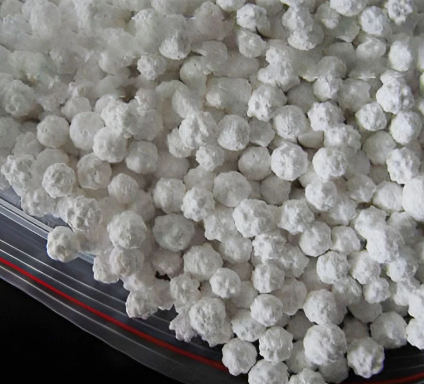
Bulk calcium chloride works best when applied before dust becomes a serious problem, ideally right after grading and shaping the road surface. Spread the flakes or pellets evenly at a rate of about 0.5 to 1 pound per square yard, then allow traffic or a light roller to compact it into the top inch of gravel. A light water spray after spreading helps the calcium chloride dissolve and bind with fine particles, creating a firm, moisture-retaining crust that resists dust formation for weeks.
For longer-lasting results, consider a two-pass approach: put down half the planned amount, let it work in for a day, then apply the second half. This prevents the chemical from washing away in sudden rain and keeps the road surface from becoming slippery. On steep grades or curves, increase the application rate slightly and focus on the wheel tracks, since those areas shed dust first and carry most of the traffic load.
Reapplication timing depends on traffic volume and weather. Check the road after heavy rain or extended dry spells—if fine dust reappears and the surface looks loose, it's time for another light pass. Keep the material stored dry before use, and wear gloves and eye protection, because bulk calcium chloride is hygroscopic and can irritate skin on contact.
How to Spread Calcium Chloride Granules for Even Ice Melting
Even melting starts with breaking up any clumps before you head outside. Calcium chloride granules tend to draw moisture and form hard lumps in the bag, which then drop in uneven piles. Give the bag a few solid shakes or run a gloved hand through it to loosen the material, then scoop out only what you need. A handheld spreader or a clean plastic cup with drainage holes can help you control the flow far better than pouring straight from the bag.
For sidewalks and steps, use a low sidearm toss rather than a bowling motion. Keep your wrist loose and aim for a thin, uniform layer, just enough to see the granules spaced a finger-width apart. Walk backward as you scatter small amounts in a sweeping arc, overlapping the edge of each pass by about an inch or two. If you notice a white pile building up, stop and kick it lightly with your boot to redistribute it before it melts into a concentrated brine patch.
On driveways or larger slabs, a broadcast spreader set to its lowest opening will save time and give a more consistent spread. Run the spreader in straight lines with about half the spread width of overlap, then make a second pass perpendicular to the first. This crosshatch pattern catches any thin spots without doubling the dose. After ten to fifteen minutes, take a quick look for dry islands where ice is still glossy and give those spots a pinch more granules rather than broad re-application.
Calcium Chloride at Low Temperatures: What You Need to Know
Calcium chloride behaves in ways that catch many people off guard when temperatures plummet. Unlike plain water or even rock salt, it remains active and effective well below the freezing point of ordinary ice, down to around -25°F (-32°C) in practical applications. This is because the dissolving process itself releases heat, and the resulting brine has a much lower freezing point than pure water. On a sidewalk or driveway, that means the material keeps working when other deicers have given up, breaking the bond between ice and pavement even during a deep cold snap.
There is a trade-off, though, that is rarely mentioned on the bag. At extremely low temperatures, calcium chloride can draw moisture from the air and then refreeze into a slick, almost greasy film if the humidity is high and the surface is not porous. It also tends to clump harder in storage when the air is cold and damp, so it needs to be kept in a sealed container. For anyone using it around plants or near concrete that is already damaged, the lower temperature activity means the chloride ions stay mobile longer, which can increase the risk of root burn or surface scaling compared to a quick melt at higher temperatures.
In practice, the best results come from matching the amount to the actual temperature and the type of surface. A little goes further at -10°F than at 20°F, and over-applying does not speed up melting—it just leaves a white residue that tracks indoors. Some crews pre-wet the calcium chloride with a small amount of water or brine before spreading, which helps it activate faster and reduces bounce on windy, cold days. If you are dealing with a cold snap that dips below -25°F, even calcium chloride will struggle, and the only reliable option is usually mechanical removal or adding a small amount of magnesium chloride to extend the working range slightly.
Safe Storage and Handling Tips for Bulk Calcium Chloride
Keep bulk calcium chloride in a dry, cool, and well-ventilated area, away from sources of moisture or humidity. Because this material absorbs water aggressively, even brief exposure to open air can cause clumping or partial liquefaction. Use tightly sealed containers or heavy-duty polyethylene liners, and always reseal bags or bins immediately after measuring out a portion. Store pallets off the floor and away from walls to reduce condensation contact, and avoid using unlined steel or aluminum containers, as damp calcium chloride can corrode common metals over time.
When handling bulk calcium chloride, wear appropriate protective equipment such as safety goggles, nitrile or rubber gloves, long sleeves, and a dust mask or respirator if airborne powder is likely. Transfer and pouring should be done slowly to reduce dust generation, and ideally under local exhaust ventilation or in an open, well-ventilated workspace. Avoid creating large dust clouds, and never eat, drink, or smoke in areas where the product is being moved. If material gets on skin or in eyes, rinse immediately with plenty of water for at least 15 minutes and seek medical attention if irritation persists.
For spill cleanup, sweep or vacuum the granules with equipment fitted with high-efficiency filters rather than washing them down with water, as wet calcium chloride produces slippery residues and can generate heat. Segregate bulk calcium chloride from incompatible chemicals such as strong oxidizers, sulfates, and reactive metals. After handling, wash hands and exposed skin thoroughly, and launder work clothing separately to prevent contamination of other garments.
Calculating Application Rates: Getting the Most from Your Granules
Granule products rarely state the exact amount to spread per square foot on the front of the bag. You have to work it out from the active ingredient percentage and the desired dose of that ingredient per unit area. For example, a 5% iron granule means every 100 grams of product contains 5 grams of elemental iron. If your soil test calls for 1 gram of iron per square meter, you need 20 grams of the granules per square meter. Write this down before opening the bag—it prevents guesswork halfway through the job.
Split the total area into smaller, manageable sections and weigh out the product for each section instead of trying to eyeball a steady flow from the spreader. A cheap kitchen scale works fine. For odd-shaped lawns or beds, use the length-times-width method for rectangles and break irregular zones into rough squares or triangles. Then calibrate your spreader by filling it with a known weight of granules, walking a measured test strip, and checking how much product remains. Adjust the gate opening until the drop rate matches your calculation.
One common mistake is treating all granules as if they have the same density. A fine, dusty product flows faster through the same opening than a heavy, pelletized one. So don't reuse settings from a different brand or even a different batch. After spreading, lightly water the area if the label allows it, and note the date, rate, and weather conditions. Over time this record helps you fine-tune amounts for your specific soil and plants, so you stop wasting product and stop underfeeding problem spots.
FAQ
The 77% concentration kicks in at much lower temperatures, so it keeps melting ice well below the point where rock salt turns useless. The granules also start working faster because they draw moisture from the air and form brine quickly.
Yes. Calcium chloride pulls moisture from the air and keeps the surface slightly damp, which stops loose particles from turning into dust clouds. You usually need a heavier first application, then lighter touch-ups as conditions change.
A common starting point is around 0.2 to 0.4 pounds per square yard, but the exact amount depends on ice thickness, temperature, and surface type. Light ice and mild cold need less; thick ice and deep freeze need more.
Keep them in a tightly sealed container or original bag in a dry, covered area. Since the product is highly hygroscopic, any exposure to humid air will cause caking. If you can, store it on pallets off the ground and avoid temperature swings that cause condensation.
All chloride deicers can cause some surface scaling or spalling over time, especially on new or poorly cured concrete. Asphalt is more forgiving, but repeated heavy use can still dry out binders. To reduce risk, remove slush and melted ice promptly and avoid over-applying.
The practical working range for 77% calcium chloride granules goes down to about -25°F (-32°C). Below that, melting slows sharply, though the brine can still provide some traction and prevent ice from bonding if you apply it before a storm.
Yes, there is some risk. Calcium chloride can irritate paws and skin, and heavy runoff can harm grass or shrubs near treated areas. Rinse pet paws after walks and avoid piling treated snow onto planted beds. Using only the recommended amount reduces harm.
You can. Sand gives immediate grip while the calcium chloride works on melting and preventing ice from bonding. A ratio of about 1 part granules to 3 or 4 parts sand is common for driveways and walkways.
Conclusion
Bulk 77% calcium chloride granules bring a level of deicing power that ordinary rock salt simply cannot match. The higher purity means fewer impurities and a faster exothermic reaction when moisture hits the pellets, so ice breaks down quickly even as temperatures drop well below freezing. Rock salt loses most of its effectiveness around 15°F, but 77% calcium chloride keeps working down to -25°F, making it a reliable choice for cold snaps. To get even ice melting, spread the granules with a calibrated spreader, avoiding clumps that waste product and leave slippery patches. Calculating the right application rate is just as important: for light ice, a thin, uniform layer works; for thicker buildup, slightly heavier coverage prevents refreeze. Skipping the guesswork means you use less material per square yard and still see faster, longer-lasting results.
On gravel roads, these same granules act as a practical dust control agent. The calcium chloride draws moisture from the air and binds fine particles together, reducing dust clouds without turning the surface into a muddy mess. Applied before dry spells, a single treatment can keep a road stable for weeks. However, storage and handling require attention: keep bulk bags sealed and off the ground in a dry, covered area, because the granules absorb humidity and can harden into a solid block. Wear gloves and eye protection when loading or spreading, and rinse any spills off metal equipment promptly to avoid corrosion. By understanding these simple rules, you get more value from every bag—whether you are clearing a parking lot or maintaining miles of unpaved roadway.
Contact Us
Contact Person: Tom Cui
Email: [email protected]
Tel/WhatsApp: +8618663670626
Website: https://www.jinjigoldenchem.com