

Best LED Therapy: A Complete Guide to Devices and Skin Benefits
2026-08-18
Red and near-infrared light are no longer reserved for high-end clinics. The best LED therapy devices now bring professional-grade wavelengths into your bathroom, promising clearer, firmer skin with consistent use. But not all masks and panels are created equal—and the difference between a gimmick and a real glow often comes down to build quality and light intensity. Whether you're targeting breakouts, fine lines, or sluggish texture, this guide walks you through what matters most, including standout options like GUANG TAI's device lineup. Here's what to know before you buy.
Why Your Skin Responds to Specific Light Wavelengths
Skin isn't a passive barrier; it's studded with molecules that absorb particular wavelengths and translate them into biological signals. Melanin soaks up broad UV and visible ranges to guard DNA, while hemoglobin preferentially absorbs blue and green light, which is why veins look bluish. When a wavelength matches a molecule's absorption peak, energy transfer can trigger reactions like heat production, free radical generation, or cellular signaling. This specificity explains why 415 nm blue light targets acne bacteria but not surrounding tissue, and why 633 nm red light reaches deeper fibroblasts without heating the surface.
The depth of penetration also shapes responses. Shorter wavelengths scatter more in the epidermis, so UVB mostly burns the top layer, while UVA and near-infrared travel deeper. Skin cells contain opsins—light-sensitive proteins once thought exclusive to the eye—that respond to blue and green light, influencing melanin production and circadian rhythms. Meanwhile, red and near-infrared light interact with cytochrome c oxidase in mitochondria, boosting ATP production and reducing oxidative stress. These wavelength-dependent interactions mean the same skin can react very differently to 450 nm versus 830 nm, even at identical energy doses.
Breaking Down Handheld, Mask, and Panel Options
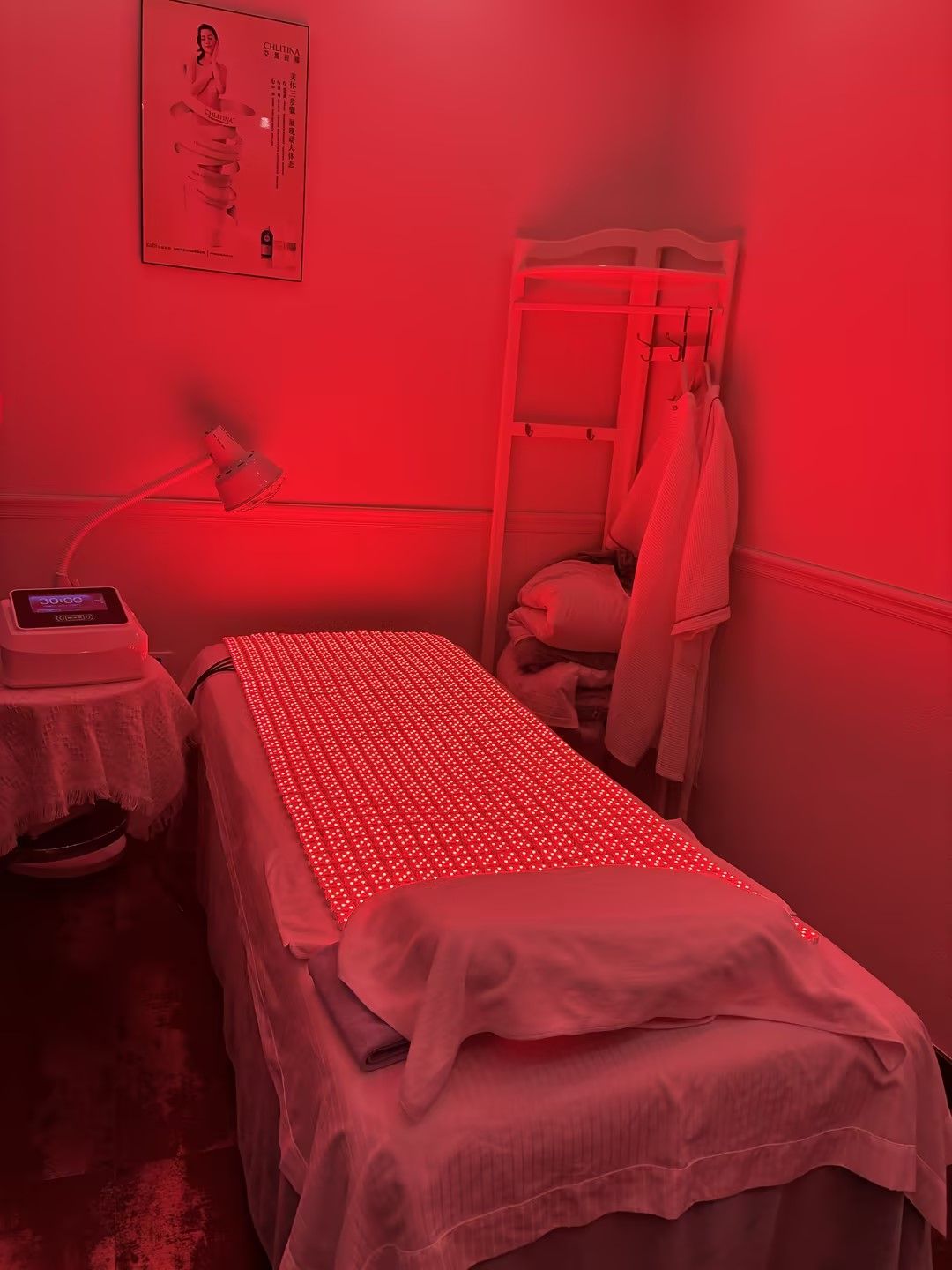
When choosing between handheld, mask, and panel devices, the first thing to consider is how each fits into your daily routine. Handheld units give you the freedom to target specific areas on the go, but they demand more time and patience if you plan to treat larger zones. Masks, on the other hand, offer a hands-free experience that feels almost effortless — just slip one on while you relax or catch up on a show. Panel systems sit somewhere in between, delivering broad coverage with a stationary setup that works well for full-face or full-body sessions.
Power output and treatment time also vary quite a bit across these formats. A handheld device might pack a concentrated beam that works faster on small spots, while a mask spreads lower intensity across the entire face, which means longer sessions for noticeable results. Panels often give you the highest irradiance, making them a favorite for those who want efficiency without holding anything. Think about whether you prefer quick targeted touch-ups or a set-and-forget approach.
Comfort and portability round out the decision. Masks are lightweight and easy to use while lying down, but they can feel bulky if you move around. Handheld tools are compact and travel-friendly, yet they require a steady hand. Panels are the least portable, usually needing a dedicated space, but they make up for it with durability and consistent output. Match the form factor to your lifestyle, and you’ll end up with a device you actually use instead of one that gathers dust.
Red Versus Blue Light for Different Skin Issues
Red light reaches deeper into the dermis than blue light, which is why it tends to be more useful for issues tied to inflammation, healing, and collagen support. It doesn't target bacteria directly but can calm redness and encourage tissue repair, making it a solid option for post-acne marks, mild rosacea flare-ups, and general skin recovery after procedures. Blue light, by contrast, sits closer to the surface and primarily interacts with porphyrins produced by Cutibacterium acnes, helping to reduce active breakouts and prevent new ones from forming.
For stubborn inflammatory acne with visible papules and pustules, blue light often delivers more immediate improvement because it addresses the bacterial component. Red light shines when the main complaint is lingering redness, sensitivity, or slow-healing spots rather than fresh breakouts. A person with both active acne and red, irritated skin might benefit from alternating between the two rather than relying on only one wavelength.
There's also a practical angle worth keeping in mind: red light is generally gentler on darker skin tones and less likely to trigger hyperpigmentation, whereas blue light can occasionally cause dryness or a temporary darkening of existing spots if used too aggressively. For issues like melasma or post-inflammatory hyperpigmentation, red light is usually the safer starting point. Blue light is best reserved for clear-cut bacterial acne, and even then, pairing it with a gentle moisturizer helps offset the drying effect.
How to Match Device Specs to Your Skin Goals
Many people pick a skincare device based on brand hype or price, ignoring the specs that actually determine results. The key is to match the device's output parameters to your specific skin concern. For instance, if you're targeting fine lines and sagging, look for wavelengths in the 600–1000nm range—especially around 630nm and 830nm—which are known to stimulate collagen. Energy density matters too: if it's too low, the light won't reach the dermis where collagen lives, so you'll only get surface-level effects.
Different skin goals demand different types of light or energy. Acne benefits from blue light around 415nm to kill P. acnes bacteria, while redness and repair respond better to red light at 630–660nm. If you have sensitive or darker skin, high energy density can trigger hyperpigmentation or thermal injury, so choose a device with adjustable intensity and shorter pulse durations—shorter pulses mean less heat buildup and a safer experience for the epidermis. Also, a larger treatment area speeds up full-face sessions, but a smaller spot size allows for targeted boosting on problem zones.
Don't chase the highest numbers. Start by defining one or two core skin goals, then check the device manual or independent test reports to verify that its wavelength, energy density (in J/cm²), and pulse width align with those goals. For anti-aging, a per-session energy density of 3–10 J/cm² is a reasonable target—too low won't work, too high risks burns. Always consider your own tolerance: begin with the lowest setting and observe your skin's reaction before increasing. Specs are just the foundation; consistent use and proper technique matter just as much.
Designing a Weekly LED Routine That Sticks
Most LED routines fail because they ask too much too soon. Instead of promising yourself a daily session that you'll abandon by Thursday, pick two or three evenings that already have breathing room. Link each session to something you already do: a post-shower wind-down, a podcast episode, or the ten minutes after you set tomorrow's alarm. The goal is not to max out minutes but to make the habit feel almost automatic.
Keep the device visible but not in the way. If it's stored in a drawer under other products, you will skip it. Set it next to your bed or on the bathroom counter, and leave a small note with your chosen days. After two weeks, revisit what worked. Maybe Wednesday felt rushed, so you swap it for Friday. A weekly routine that sticks is one you can adjust without guilt, and one that eventually feels less like a treatment and more like a pause you look forward to.
Realistic Timelines for Visible Skin Improvements
Most people underestimate how long skin actually takes to respond. The outer layer renews roughly every 28 days in your twenties, but that rhythm slows as you age, so expecting a full glow-up in a week is a recipe for frustration. Mild surface shifts—like less tightness after washing or a bit less midday shine—often show up around the two-week mark, but deeper changes in tone and texture usually need six to eight weeks of consistent care.
If you are targeting dark spots or old acne marks, give yourself closer to ten or twelve weeks. Those pigment cells sit deeper, and fading them without irritation means letting your skin cycle a few times. Rather than switching products every few days, pick one or two actives and commit. Keeping a simple photo log every two weeks tends to be more honest than staring in the mirror daily, since subtle progress is easy to miss when you are looking too closely.
FAQ
LED devices emit specific wavelengths of light that penetrate the skin at different depths. Red and near-infrared light, for instance, reach the dermis where they stimulate cellular energy production. This can speed up repair processes, calm inflammation, and encourage collagen synthesis over time. The sensation is usually just mild warmth, and there is no downtime.
Clinic-grade panels use higher irradiance and cover larger areas, so results may appear faster. Home masks are weaker but designed for consistent, frequent use, which can still lead to visible improvements over weeks. The main trade-off is time versus convenience: you might need more sessions at home to match a single professional treatment.
Blue light targets acne-causing bacteria on the surface and just below it, making it useful for breakouts. Red light penetrates deeper and supports collagen production, so it is better for fine lines, firmness, and overall skin texture. Many devices offer both, letting you alternate or combine them depending on what your skin needs that week.
More is not always better. Overusing high-intensity devices can lead to dryness, irritation, or temporary redness. Most at-home devices come with recommended session times, often around 10 to 20 minutes, three to five times per week. Sticking to those guidelines is the safest way to see benefits without stressing your skin barrier.
Check the wavelengths the device actually emits, not just the color of the bulbs. Reputable brands list nanometers, such as 633 nm for red or 415 nm for blue. Also consider the number of LEDs, treatment area size, and whether the device has FDA clearance or CE marking. A flexible or contoured design can help light reach the skin more evenly.
Use LED therapy on clean, dry skin before applying serums and moisturizers. Some people like to apply a hydrating toner first, but oils and heavy creams can block light penetration. After the session, follow with your usual active products, since the light may enhance their absorption. Sunscreen remains essential during the day, especially if you are using ingredients like retinol or acids.
It depends on the concern. Some people notice a calmer, more even tone after two to three weeks of consistent use. For fine lines, firmness, or post-acne marks, give it six to twelve weeks. LED works through cumulative cellular effects, so regular sessions are more important than occasional long ones.
Unlike lasers or intense pulsed light, LED therapy does not rely on heat or pigment targeting, so the risk of hyperpigmentation is very low. It is generally safe for all skin tones, including deeper complexions. If you have a condition like photosensitivity, are pregnant, or take medications that make you light-sensitive, check with a healthcare provider first.
Conclusion
Skin doesn't treat all light equally, and that's exactly why LED therapy works when you pick the right wavelength. Red light reaches deeper to support collagen and calm inflammation, while blue light stays near the surface to target acne-causing bacteria. Instead of chasing a single "miracle" device, it helps to understand how handheld wands, full-face masks, and larger panels differ. A handheld is great for spot treatments but demands patience; a mask offers hands-free coverage for regular upkeep; a panel delivers stronger output for wider areas but takes up space. Your skin goals should drive the choice—someone battling breakouts will lean blue, whereas someone focused on fine lines and redness will benefit more from red or near-infrared. Look past marketing buzzwords and check the actual specs: wavelength range, irradiance, and treatment area matter more than the number of LEDs or a sleek design.
Building a routine you can stick to beats occasional long sessions. Ten to fifteen minutes, three to five times a week, is realistic for most devices, and consistency matters more than intensity. Don't expect overnight changes—most people notice a subtle reduction in redness or a less oily T-zone within two to four weeks, while improvements in firmness or fading of post-acne marks often take eight to twelve weeks. Track your progress with photos in the same lighting rather than relying on memory. If you're using both red and blue settings, alternate days or split the session to avoid overloading your skin. Ultimately, the best LED therapy isn't the most expensive or the most hyped; it's the one that matches your specific skin concerns, fits into your evening or morning routine without friction, and gives you a clear, honest timeline for what to expect.
Contact Us
Contact Person: Leon Yi
Email: [email protected]
Tel/WhatsApp: +86 17363316873
Website: https://zzgt.en.alibaba.com/